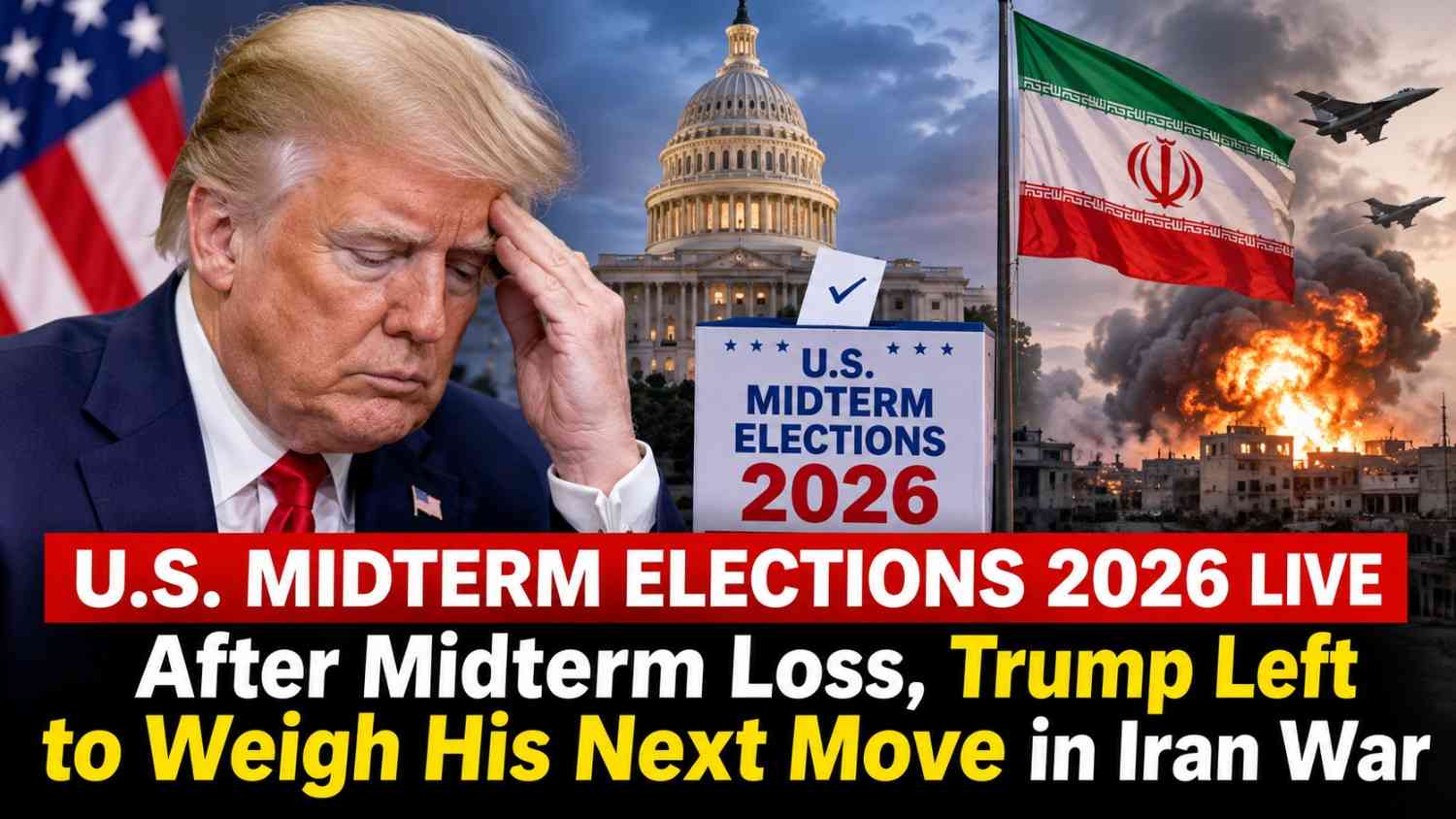
The 2026 U.S. midterm elections have created a significant political challenge for President Donald Trump, forcing his administration to reconsider its priorities at a critical moment in the ongoing conflict with Iran.
Following the Republican Party's electoral setback, Trump is facing difficult decisions over how to handle the war, with the political consequences of the conflict becoming an increasingly important concern for the White House.
The election results have raised questions about public confidence in the administration's foreign policy and its handling of the Middle East crisis. The outcome could also influence Trump's ability to secure support from lawmakers for future military and diplomatic decisions.
Iran War Becomes a Major Political Challenge
The conflict with Iran has emerged as a sensitive issue for the Trump administration. Decisions involving military operations, regional security and diplomatic negotiations could have far-reaching consequences for the United States and its international relationships.
Trump must now weigh whether to continue his existing approach, increase diplomatic engagement or consider changes to the military strategy.
Political Pressure Mounts on the White House
The midterm setback could complicate the administration's domestic agenda, particularly if opposition lawmakers gain greater influence in Congress.
The results may also intensify scrutiny of government spending, military commitments and the economic impact of the conflict.
What Happens Next?
Trump's next move on Iran could shape both U.S. foreign policy and his political standing in the months ahead. Any major shift in strategy will be closely watched by international leaders, financial markets and America's allies.
For now, the administration faces a difficult balancing act: addressing the political message sent by voters while managing an increasingly complicated international crisis.