The University Grants Commission (UGC) plays a vital role in regulating and maintaining standards of higher education in India. Recently, UGC introduced new regulations in 2026 related to equity and anti-discrimination in higher educational institutions, which has become an important topic of national discussion.
Background of UGC Regulations
Earlier, the UGC had issued Anti-Discrimination Regulations in 2012 to protect students from unfair treatment on the basis of caste, gender, religion, disability, or region. However, over time, it was felt that these rules were not strong enough to address growing complaints of discrimination in universities and colleges.
To overcome these gaps and align with the National Education Policy (NEP 2020), UGC introduced the Promotion of Equity in Higher Education Institutions Regulations, 2026.
Key Features of UGC Regulations 2026
Equity Committees
Every university and college must set up an Equity Committee to ensure equal treatment of students and staff.
Equal Opportunity Centres (EOC)
Institutions are required to establish Equal Opportunity Centres to support students from disadvantaged and marginalized groups.
Clear Definition of Discrimination
The regulations attempt to define discriminatory behavior and make institutions responsible for preventing it.
Grievance Redressal System
A structured grievance redressal mechanism with proper reporting and monitoring has been made mandatory.
Accountability of Institutions
If institutions fail to implement these rules, UGC can take action which may affect funding and recognition.
Objectives of the New Regulations
To promote inclusive and safe campus environments
To ensure social justice and equality
To reduce cases of caste-based and social discrimination
To make institutions more accountable and transparent
Controversies and Public Reaction
The 2026 regulations have faced strong opposition and protests from certain student groups and organizations. Critics argue that:
Some definitions are vague and open to misuse
The rules may lead to false complaints
There is a risk of bias against general category students
On the other hand, supporters believe that the regulations are necessary to protect vulnerable students and ensure dignity and equality in higher education.
Supreme Court Intervention
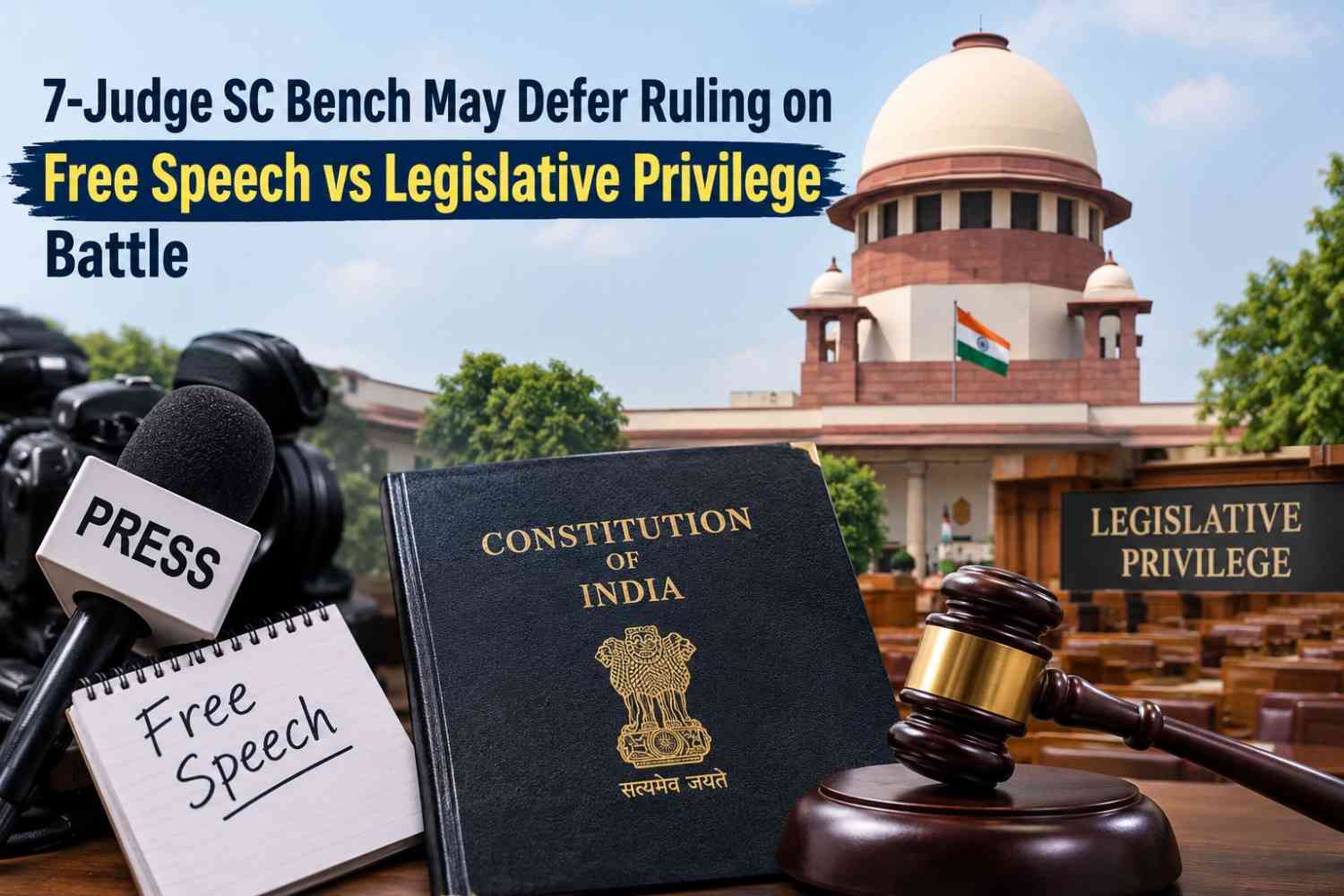
On January 29, 2026, the Supreme Court of India took decisive action:
The court stayed the operation of the 2026 Equity Regulations, stating that some provisions — especially the definition and scope of caste-based discrimination — appear vague and susceptible to misuse.
The 2012 anti-discrimination regulations will continue to remain in force until further hearing.
A bench led by Chief Justice of India Surya Kant flagged concerns that the new rules could inadvertently divide society or lead to misapplication of power.
The case has been listed for further hearing in March 2026.
Why the New Regulations Were Introduced
The 2026 regulations were largely framed as a response to long-standing demands and legal directives to strengthen discrimination protections:
They originated in part from a Supreme Court action in 2019 following high-profile campus discrimination cases (e.g., Rohith Vemula and Payal Tadvi).
Hindustan Times
Data showed discrimination complaints increased significantly, prompting calls for more robust statutory mechanisms.
India Today
UGC and education ministry officials also stated that these reforms align with National Education Policy (NEP) goals to make campuses more inclusive.
Main Points of Debate
Supporters say:
The rules strengthen protections for historically marginalized groups in academia.
Mandated structures could improve reporting, accountability, and real change on campuses.
Critics argue:
Definitions of discrimination might be ambiguous and open to interpretation.
Lack of clear safeguards against false or malicious complaints could harm individuals’ reputations or academic careers.
Some groups feel their constitutional rights are inadequately protected under the new framework.
The Supreme Court’s stay reflects these concerns and sends the matter back for fuller judicial scrutiny.
Wider UGC Policy Context
This debate comes at a time of broader change in India’s higher education landscape:
There is a parallel initiative in Parliament to create a single higher education regulator, the Viksit Bharat Shiksha Adhikshan, merging or replacing bodies like the UGC, AICTE, and NCTE.
What Happens Next
The current 2012 regulations remain in force while the Supreme Court reviews the 2026 rules.
The next major hearing is expected on March 19, 2026.
"The decisions we make today will shape the world for generations to come."