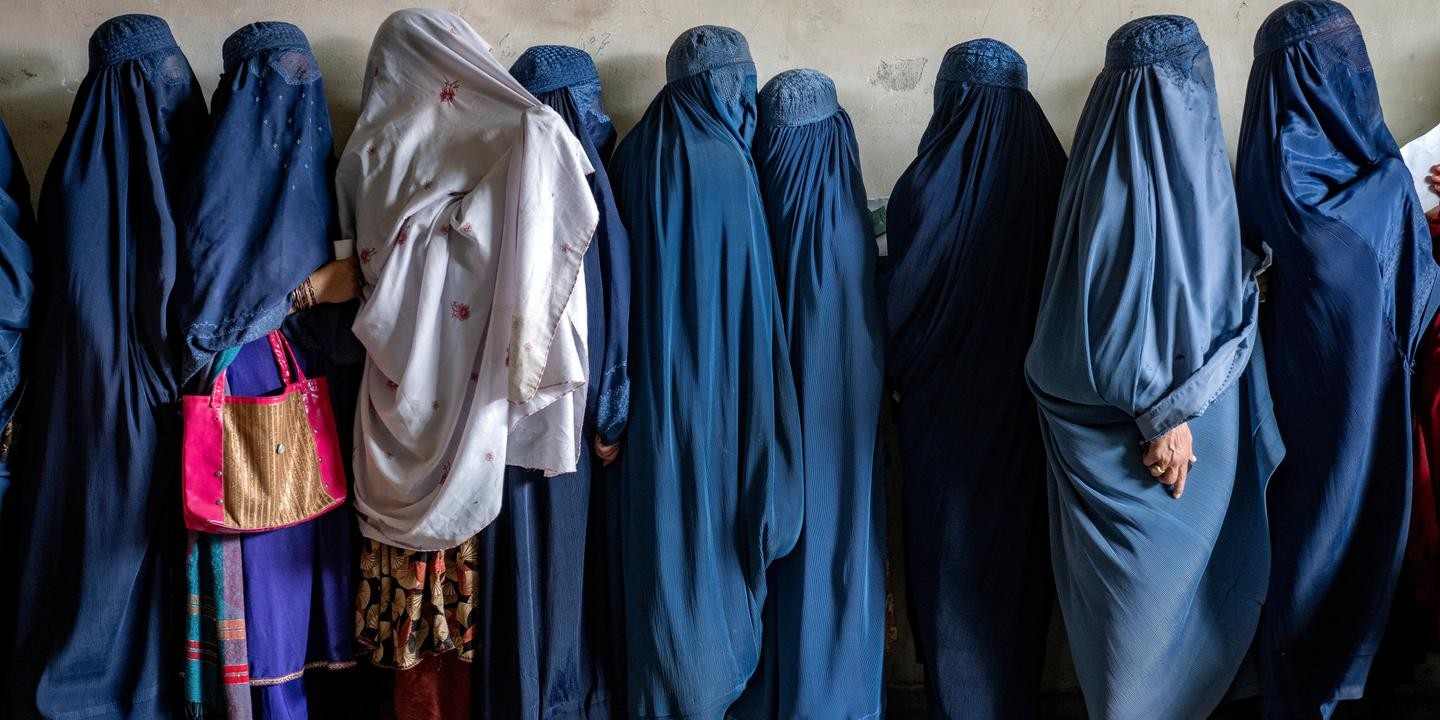
In a society where a woman's identity can be hidden behind the titles of “daughter,” “wife,” or “mother,” one simple question has become a powerful act of resistance: **Where is my name?**
A powerful question continues to echo across Afghanistan: “Where Is My Name?” For thousands of Afghan women, this is not simply a question about a name on a document. It represents a much deeper struggle for identity, dignity, equality and the right to be recognized as individuals.
For generations, women in parts of Afghan society have faced cultural restrictions that discourage the public use of their names. In some families and communities, women are identified through their relationships with men, such as someone's daughter, wife or mother, rather than by their own names.
This practice has raised serious concerns among women's rights activists, who argue that every woman deserves an independent identity and the freedom to be recognized by her name.
The Beginning of the #WhereIsMyName Campaign
In 2017, Afghan women activists helped bring attention to this issue through the #WhereIsMyName campaign. The movement encouraged families and society to openly acknowledge women's names in wedding invitations, public announcements and official records.
The campaign quickly became a symbol of resistance against cultural practices that treated women's identities as something that should remain hidden.
Activists emphasized that a woman's name is not a matter of shame or dishonour. Instead, it is an essential part of her identity and human dignity.
A Major Step Towards Recognition in 2020
In 2020, Afghanistan made an important legal change allowing mothers' names to be included on children's national identification documents.
The decision was welcomed as a significant step towards recognizing women's identities in official records. It represented years of campaigning by women who wanted mothers to receive the same public recognition as fathers.
However, changing laws and changing deeply rooted social attitudes remained major challenges.
Taliban Rule Brings New Challenges
The situation became increasingly difficult after the Taliban returned to power in August 2021. Afghan women and girls faced severe restrictions on education, employment and participation in public life.
Girls were barred from secondary education and universities, while women faced restrictions on working in many sectors and accessing public spaces.
These restrictions have intensified concerns among international human rights organizations about the future of women's freedom and equality in Afghanistan.
Why This Fight Matters
The #WhereIsMyName movement represents much more than the right to have a name printed on a wedding card or identification document. It highlights a fundamental human right: every individual deserves recognition, respect and dignity.
A woman should not have to depend on her relationship with a father, husband or son to establish her identity. She deserves to be known by her own name, make her own decisions and participate equally in society.
A Question That Still Demands an Answer
“Where Is My Name?” remains a powerful question for Afghan women and a reminder of the challenges they continue to face.
Their struggle is not simply about names. It is about visibility, freedom, equality and the right to live with dignity.
Every woman deserves to be recognized as an individual, not just through her family relationships. Her name is her identity, and no society should make her feel ashamed of it.