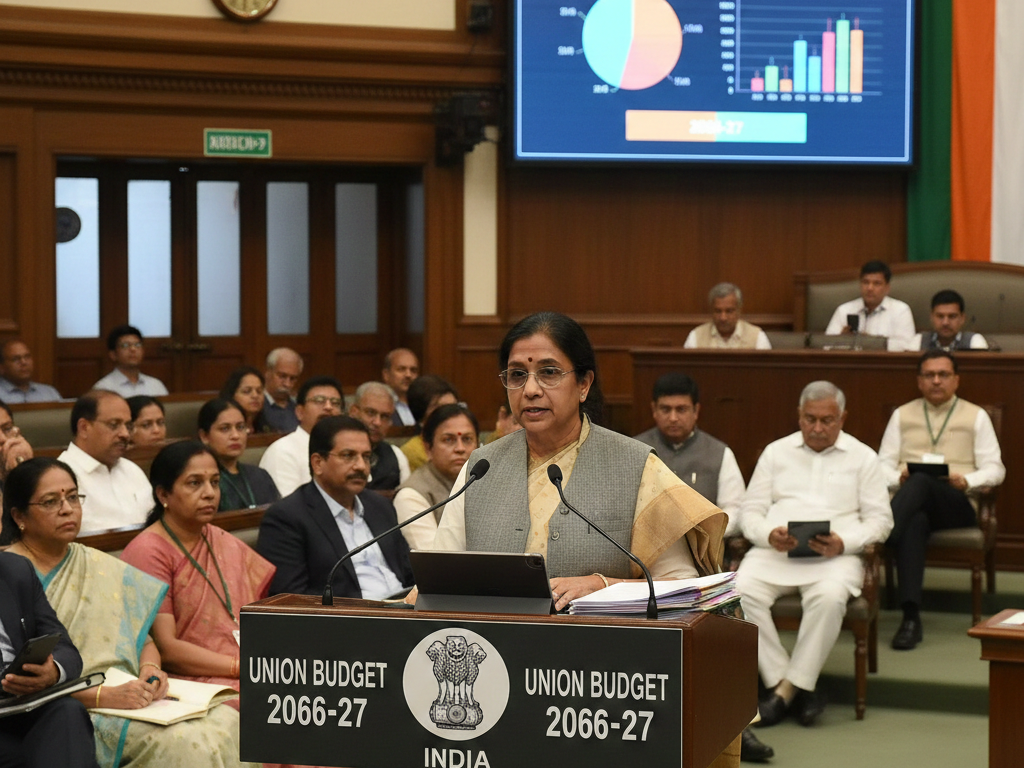
On 1 February 2026, Finance Minister Nirmala Sitharaman presented the Union Budget 2026-27 in Parliament, articulating a strategic, long-term vision aimed at bolstering India’s economic resilience amid a volatile global environment. Departing from short-term stimulus measures, this long-game Budget pivots towards capability-building — enhancing productivity, competitiveness, and self-reliance across sectors that form the bedrock of sustainable growth.
Vision and Strategic Priorities
At the heart of this Budget is the aim to transform aspiration into achievement and potential into performance while sustaining growth against global headwinds — such as fragmented supply chains, geopolitical tensions, and shifting trade patterns. Beyond short-term fixes, the government outlined a framework that emphasizes structural reforms, investment in human and physical capital, and enhanced global competitiveness.
The Budget is structured around three key Kartavyas (duties):
Accelerating and sustaining economic growth by enhancing productivity, competitiveness, and resilience;
Fulfilling people’s aspirations and building capacities to participate in growth;
Ensuring inclusive development — ‘Sabka Saath, Sabka Vikas.’
Capability Building: Six Pillars of Action
The Finance Minister identified six core areas for policy action that together form a capability-centric growth strategy:
1. Scaling Up Strategic Manufacturing
The Budget pushes expansion in seven strategic and frontier sectors, including high-tech manufacturing, to reduce import dependence and foster domestic excellence. This includes initiatives like India Semiconductor Mission 2.0 with increased allocations to build a robust semiconductor ecosystem, and investments in electronics and related supply chains to enhance self-reliance.
2. Rejuvenating Legacy Industrial Sectors
Traditional industries — textiles, automotive components, heavy machinery, and chemicals — will receive targeted incentives to expand output, improve quality, and increase exports, thereby strengthening India’s position in global value chains.
3. Champion MSMEs for the Long Run
Micro, Small & Medium Enterprises (MSMEs) — the backbone of India’s economy — are a central focus. The Budget proposes a ₹10,000 crore SME Growth Fund, enhanced liquidity measures, and professional support frameworks to strengthen the ability of MSMEs to scale and compete internationally.
Outlook Business
4. Infrastructure as Growth Fabric
Public infrastructure spending remains a foundational commitment:
Capital Expenditure for FY 2026-27 has been raised to ₹12.2 lakh crore, reflecting a record emphasis on productive public investment.
Projects span dedicated freight corridors, 20 new national waterways, and development of high-speed rail corridors connecting major urban regions.
5. Technology and Innovation Drive
The Budget recognizes technology as a force multiplier for growth. Priority measures include support for digital infrastructure, AI-driven tools for sectors like agriculture (e.g., Bharat Vistar), expanded R&D support, and long-term tax benefits for cloud data centres — positioning India as a leader in next-generation technologies.
6. Human Capital & Services Competitiveness
To strengthen India’s global services market share, the Budget proposes setting up a “High-Powered Education to Employment and Enterprise Committee” geared toward skilling and job creation. This underlines the understanding that human capital is as vital as physical infrastructure in the capability-building matrix.
Fiscal Discipline with Growth Orientation
While charting an ambitious path, the Budget also emphasizes fiscal responsibility:
The fiscal deficit is pegged at ~4.3% of GDP for FY 2026-27 — continuing the consolidation trend without hampering investment potential.
Public spending is calibrated to deepen long-term resilience without triggering macroeconomic instability.
Impact and Market Reactions
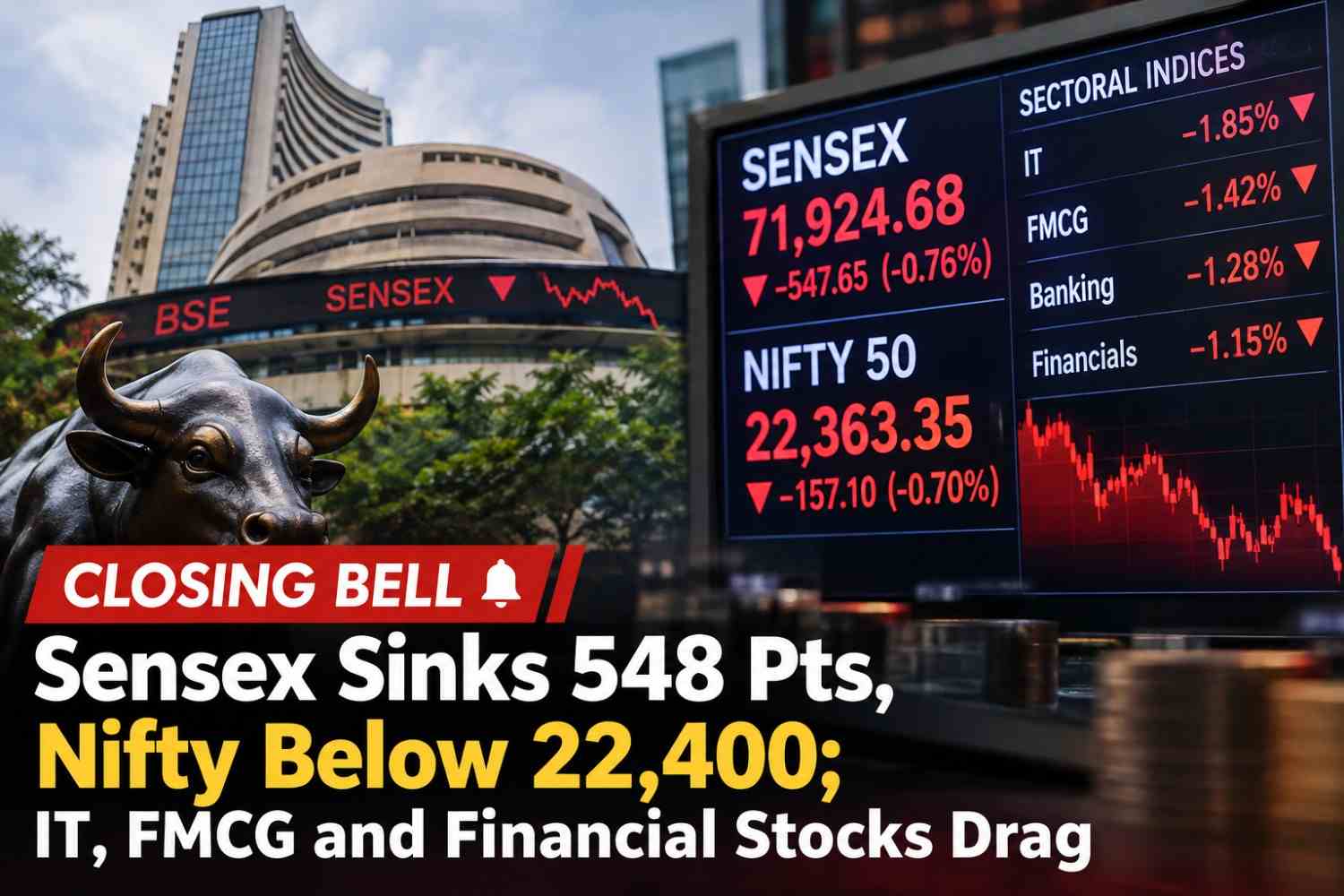
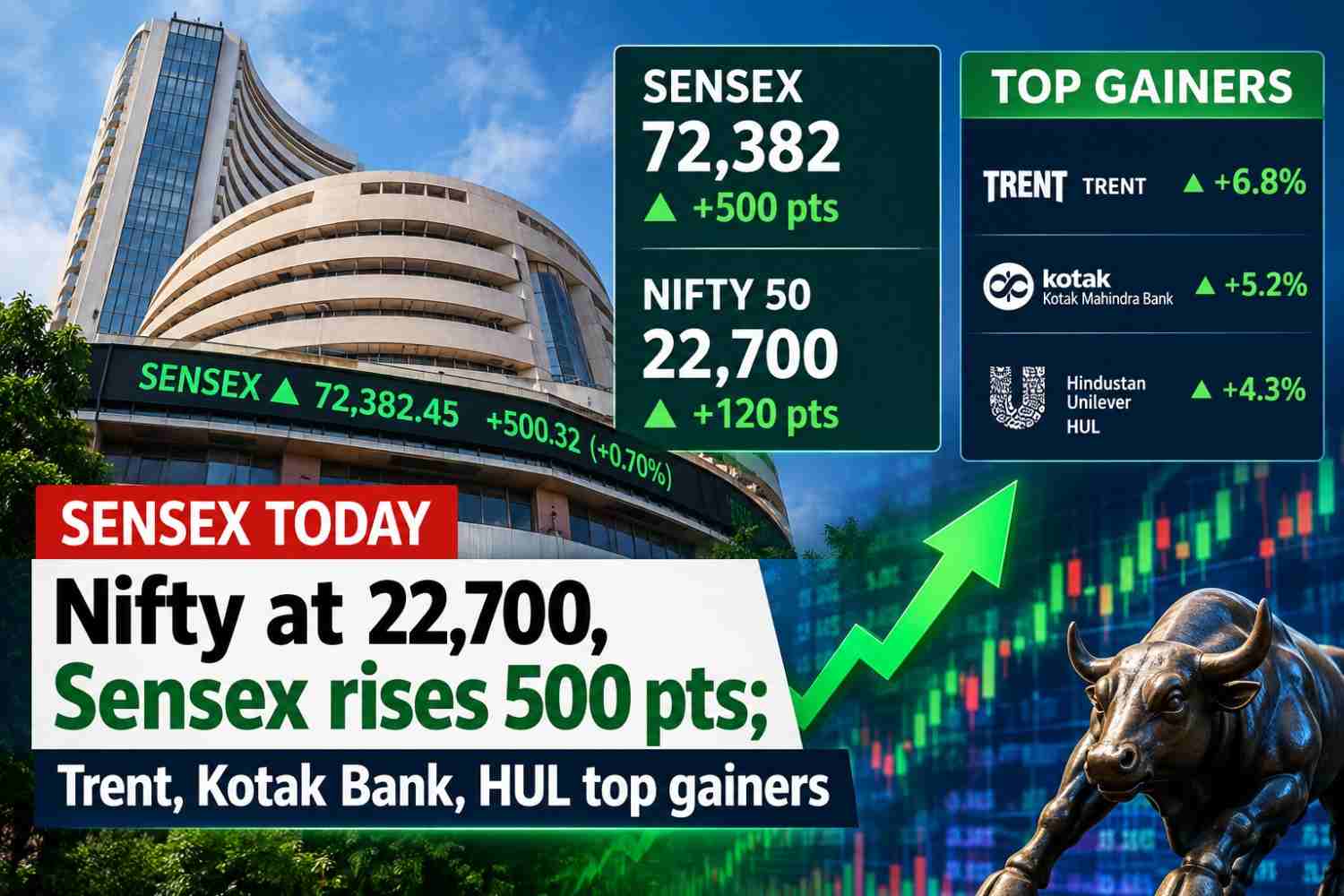
Industry and investors have responded with a mixed but largely supportive tenor. Corporate leaders have noted that the Budget’s emphasis on infrastructure, technology, and competitive reforms could position India as a global hub for manufacturing and services. Conversely, equity markets saw volatility due to higher securities transaction taxes, underscoring the complex interplay between long-term vision and short-term market dynamics.
Conclusion: A Foundation for Long-Term Growth Resilience
The Union Budget 2026-27 marks a strategic shift from short-term economic fixes toward reinforcing India’s economic foundations and competitive capacities. By weaving together infrastructure expansion, technological innovation, industrial revitalization, and human capital development, the government aims to build an economy that is not only growth-oriented, but also resilient, inclusive, and future-ready.
The long-game perspective reflected in this Budget seeks durable transformation — positioning India to not just navigate global uncertainties but to secure lasting prosperity and global leadership by 2047.
"The decisions we make today will shape the world for generations to come."