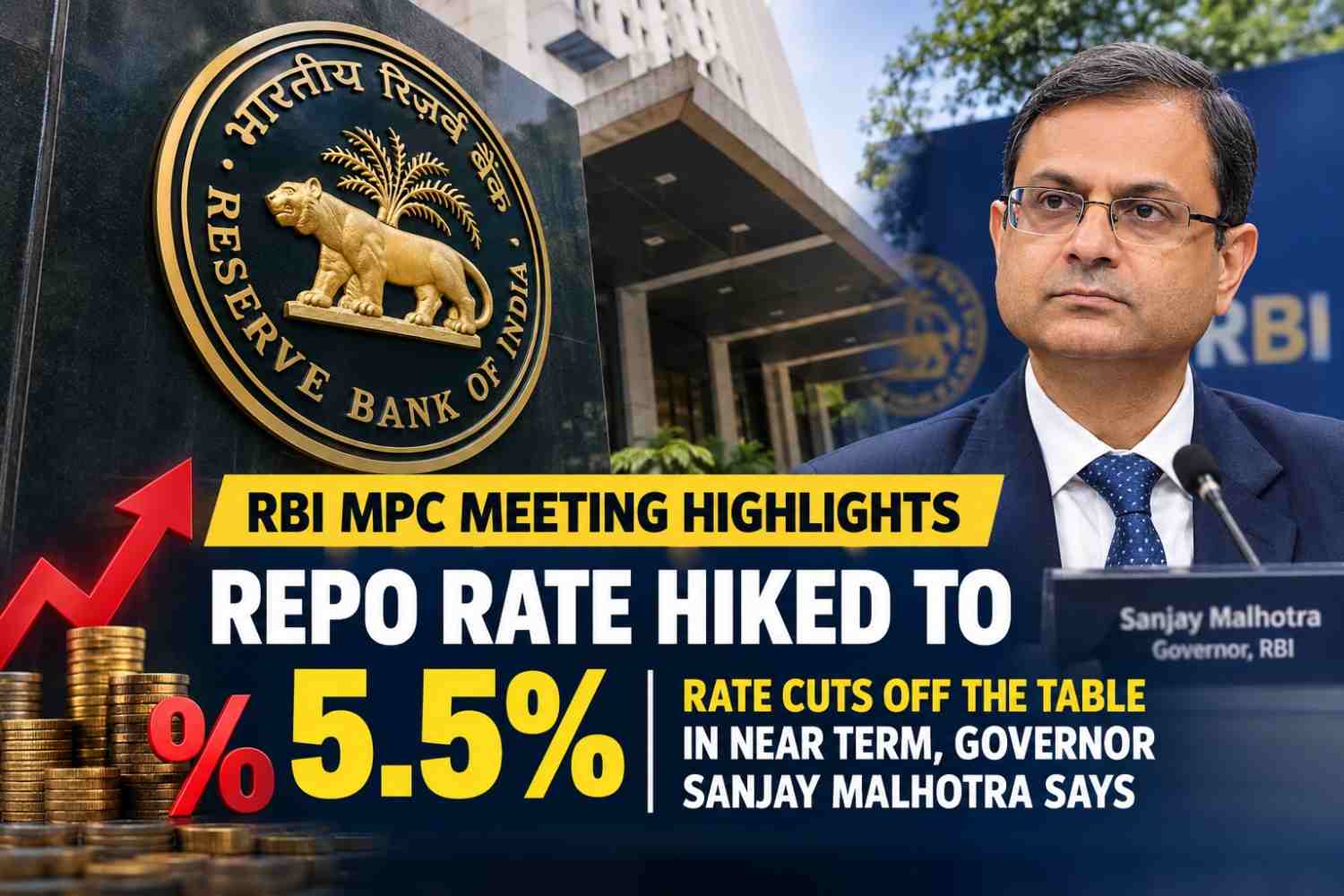
Indian Rupee Gains as RBI Introduces Fresh Measures
New Delhi, October 13, 2026: The Indian rupee strengthened to a one-month high against the US dollar on Tuesday as fresh measures by the Reserve Bank of India (RBI) helped ease pressure on the domestic currency. The rupee rose to 95.0725 per dollar during early trading before trimming some gains to trade around 95.25, marking an appreciation of approximately 0.5%.
The recovery followed a series of steps announced by the central bank to control dollar demand and reduce volatility in the foreign exchange market. The rupee had faced significant pressure in recent weeks, driven by elevated crude oil prices, foreign capital outflows and increased demand for US dollars.
According to market reports, the RBI's measures, combined with suspected intervention in the currency market, contributed to the rupee's latest gains.
RBI Tightens Foreign Exchange Rules
One of the key developments is the RBI's decision to expand the scope of cash deposit requirements for foreign exchange derivatives. The requirement now covers a wider range of rupee-related currency hedging transactions undertaken by authorised banks, including transactions used to hedge their own assets and liabilities.
Under the revised framework, banks must maintain a cash reserve equivalent to 20% of the notional amount of covered contracts. The measure is intended to make certain foreign exchange transactions more expensive and discourage excessive demand for dollar protection.
The central bank has also tightened rules governing non-deliverable rupee derivative contracts. Eligible institutions can offer these instruments to overseas clients only for hedging purposes rather than speculation.
These steps form part of the RBI's broader efforts to reduce pressure on the rupee and discourage speculative positions that could intensify currency volatility.
High Oil Prices Continue to Pressure the Rupee
India's dependence on imported crude oil remains a major challenge for the domestic currency. When international oil prices rise, Indian companies generally need more US dollars to pay for energy imports.
This increases demand for dollars in the foreign exchange market and can put downward pressure on the rupee.
Foreign investment outflows and broader movements in global financial markets have added to these challenges. Investors often move towards dollar-denominated assets during periods of uncertainty, increasing demand for the US currency.
To address part of this pressure, the RBI has introduced a special facility to meet the dollar requirements of state-run oil refiners, helping redirect some of their demand away from the regular spot market.
Banks Express Concerns Over New Restrictions
Although the measures have supported the rupee, they have also created operational challenges for banks and foreign exchange dealers.
Market participants have raised concerns about the additional cash requirements, documentation and adjustments needed to comply with the revised framework. Some dealers reportedly paused quoting certain dollar-rupee forward contracts amid uncertainty surrounding the new rules.
These developments highlight the challenge facing the central bank: stabilising the currency while ensuring that foreign exchange markets continue to function smoothly.
Further clarification from the RBI could help banks and market participants adjust to the new requirements.
What Does the Rupee's Recovery Mean for India?
A stronger rupee can provide some relief to businesses that depend heavily on imported goods, including crude oil, machinery and certain industrial materials. It may also help reduce imported inflationary pressures if the recovery is sustained.
However, the benefits for consumers are not immediate or guaranteed. Domestic fuel prices, transportation costs and other expenses depend on several factors, including international commodity prices, taxes and the extent to which currency movements are passed on to customers.
Exporters may face a different impact because a stronger rupee can reduce the value of their dollar earnings when converted into Indian currency.
Economists and investors will therefore watch whether the rupee's recovery continues in the coming sessions.
Outlook: Can the Rupee Maintain Its Gains?
The latest recovery represents a positive development for the Indian currency after a period of considerable pressure. However, a sustained improvement will depend on international crude oil prices, foreign investment flows, global dollar movements and the effectiveness of the RBI's measures.
Currency traders are also monitoring how banks adapt to the new restrictions and whether market liquidity remains stable.
For now, the RBI's actions have provided short-term support to the rupee. Whether that support translates into a longer-lasting recovery will depend on both domestic policy measures and developments in the global economy.
"The decisions we make today will shape the world for generations to come."