While broader U.S. stock indexes fell about 1% on fears of oil disruptions and wider conflict, the defense sector stood out as a bright spot. Investors rushed into companies that build the fighter jets, missiles, radars, and intelligence systems now in active use — and likely to see even more demand if the operation stretches into weeks or months.
Immediate Market Impact (March 2 Trading)
On the first full trading day since the Feb. 28 strikes began:
- RTX (Raytheon): +3.75% to +6.2% (closed ~$210–215) — strong on missile and air-defense systems.
- Northrop Grumman (NOC): +3.2% to +4.9% (closed ~$754) — boosted by B-2 bomber involvement and stealth tech.
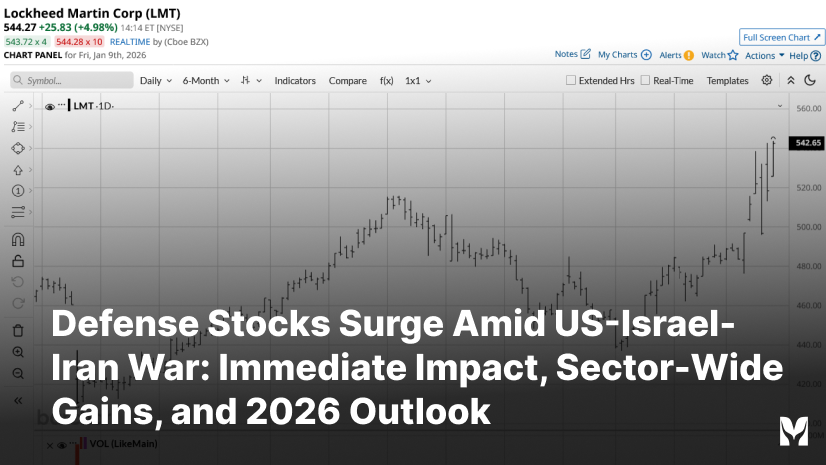
- Lockheed Martin (LMT): +2% to +5.97% (closed ~$669) — F-35 jets and THAAD missile defense in the spotlight.
- L3Harris (LHX), General Dynamics (GD), Kratos (KTOS): +2–4.5%
- Palantir (PLTR): +3.5–6% — AI/data analytics for U.S. forces.
The iShares U.S. Aerospace & Defense ETF (ITA) also climbed sharply, continuing its strong 2026 run.

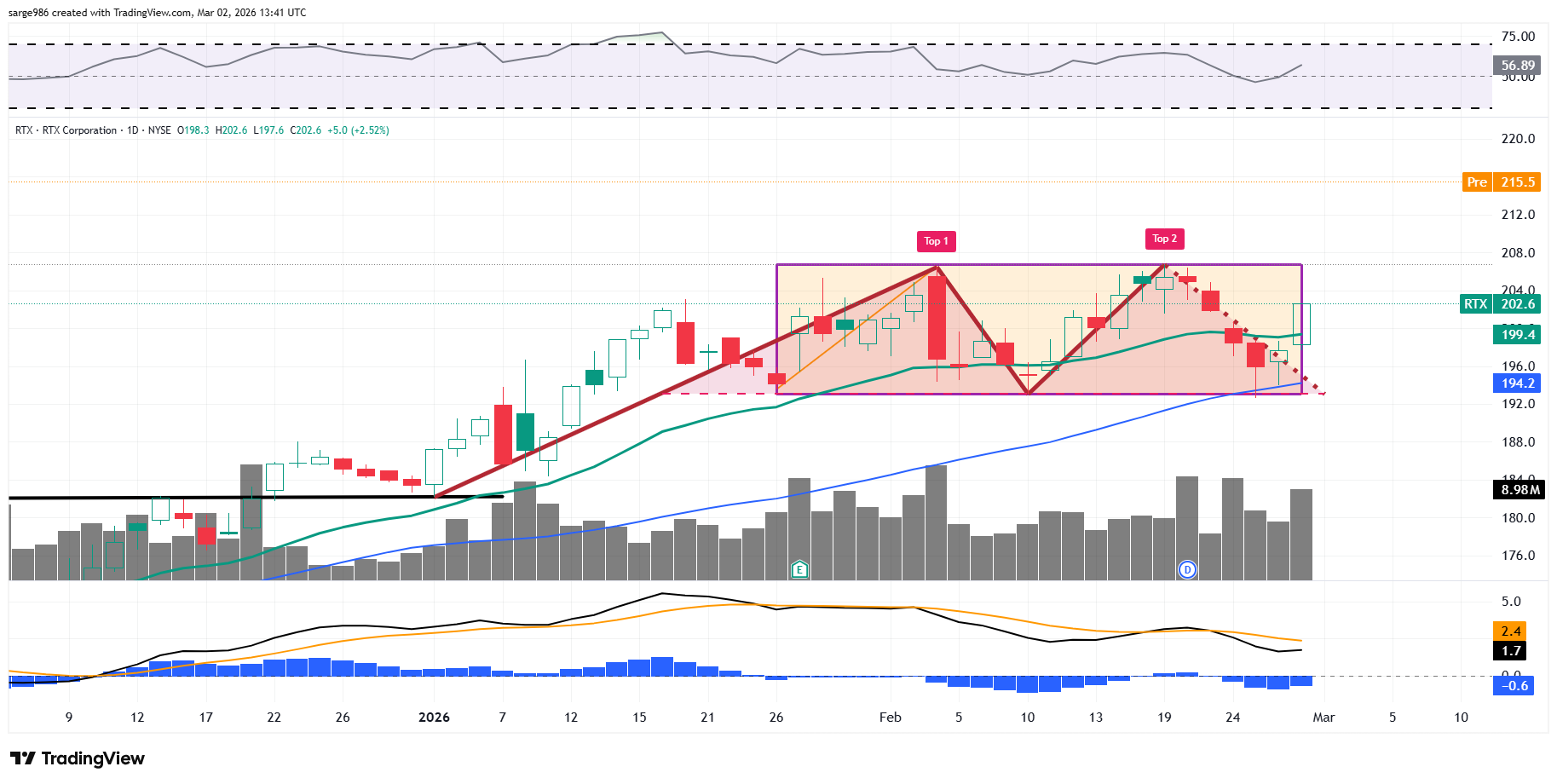
Market data snapshot (daily closes around the strikes period):
- LMT: ~$658 → $669 (+1.7% on session, higher in intraday/premarket)
- RTX: $202.62 → $210.20 (+3.75%)
- NOC: $724 → $754 (+4.15%)
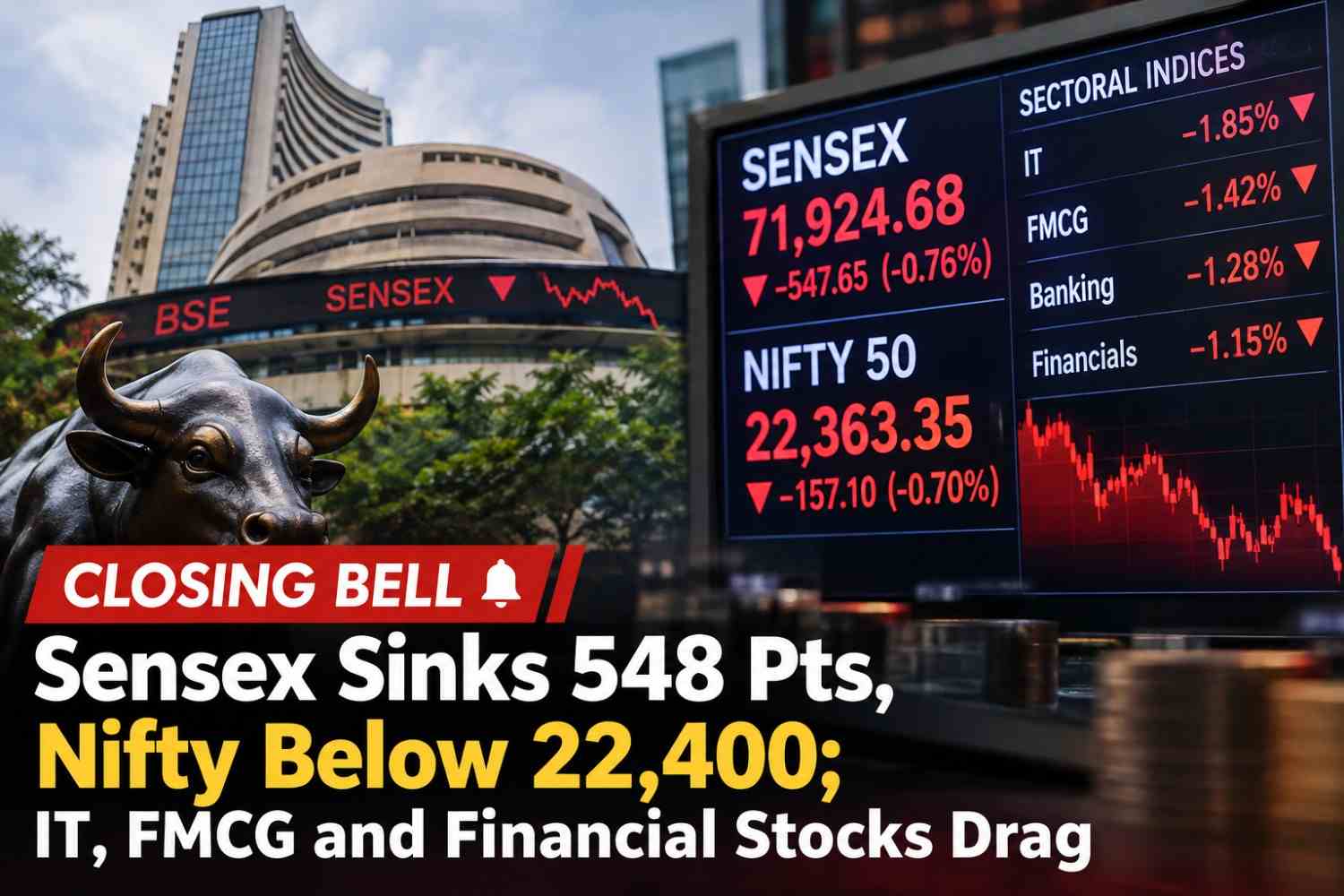
Broader context: The S&P 500 and Dow were down, airlines/hotels dropped 2–12%, but energy (Exxon +4–5%) and defense decoupled positively.

Why Defense Stocks Are Rising – Direct Links to the Conflict
- Weapons in use: U.S./Israeli strikes involve Lockheed F-35s, Northrop B-2s, RTX missiles/radars, and air-defense systems now protecting Gulf allies.
- Retaliation fallout: Iran's attacks on Saudi Ras Tanura (drone debris fire, refinery partially shut), Qatar LNG, and shipping raise the risk of prolonged U.S. involvement — more munitions, more Patriot systems, more surveillance.
- Already strong fundamentals: Defense budgets were set to rise sharply in 2026 even before this; the war makes spending "more urgent and less controversial," per analysts. Lockheed's backlog already hit a record $194 billion.
- Sector hedge: In risk-off environments with oil spiking (Brent +7–10%+), defense acts as a safe haven within equities.
The Ras Tanura strike specifically escalates Gulf exposure, likely increasing demand for protective systems across Saudi, UAE, and U.S. assets — a direct tailwind for RTX, Lockheed, and Northrop.
2026 Predictions and Longer-Term Outlook
Short-term (next 1–4 weeks):
Further upside of 5–15% possible if fighting drags (Trump has signaled "four to five weeks" or longer). Sustained operations = higher munitions burn rate and urgent replenishment orders. Analysts at Stifel and others see this as accelerating already-planned spending.
Full-year 2026:
- Positive to strongly bullish for the sector.
- Structural drivers (record backlogs, multi-year missile deals) remain even if fighting ends quickly.
- Bernstein notes short-lived events give only temporary pops, but a protracted conflict changes the math significantly.
- Consensus: Higher earnings forecasts, potential new contracts, and continued premium valuation for "war winners."
Longer-term (beyond 2026):
Defense spending trends (U.S. + allies) are structural, driven by great-power competition. This conflict reinforces the need for next-gen systems — a net positive even after any ceasefire.
Risks to Watch
- Quick diplomatic resolution or regime change → potential 5–10% pullback as "war premium" fades.
- Oil shock ($90–120 Brent) triggering recession fears → broader market drag could cap gains.
- Supply-chain inflation on raw materials or prolonged high oil hurting margins.
The US-Israel-Iran conflict has handed the defense sector a clear near-term catalyst on top of already robust 2026 tailwinds. While the human and economic costs of wider war are serious, for investors the message is straightforward: companies supplying the platforms and systems being used right now are seeing immediate buying — and analysts expect that momentum to carry through the year if the operation extends.
This remains a fast-moving situation. Defense has historically outperformed in similar geopolitical spikes, but the duration and intensity of this conflict will ultimately decide how big the gains get.
Disclaimer:
This article is for educational and informational purposes only and does not constitute financial, investment, or legal advice. The views expressed are based on market analysis at the time of writing and are subject to change without notice. We do not recommend or advise for any specific investment, trade, or financial strategy. Investment in the securities market involves inherent risks; please consult with a certified financial advisor or conduct your own independent research before making any financial decisions.
"The decisions we make today will shape the world for generations to come."