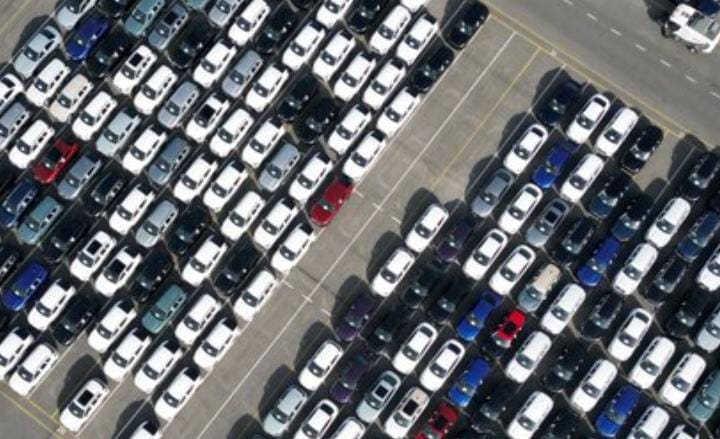
In a move expected to reshape India’s automobile market, the government is reportedly planning to reduce import tariffs on European cars from as high as 110% to 40% under a new trade agreement with the European Union (EU). Sources familiar with the negotiations indicate that this policy shift is part of India’s broader strategy to strengthen bilateral trade ties while gradually opening its domestic auto market to foreign competition.
A Major Policy Shift
India has historically maintained high tariffs on imported vehicles to protect local manufacturers such as Tata Motors, Mahindra & Mahindra, and Maruti Suzuki. These duties, sometimes exceeding 100%, have limited the presence of foreign brands in the country and kept prices for imported vehicles prohibitively high.
By cutting tariffs to 40%, the government aims to balance domestic industry protection with greater consumer choice and deeper integration into global trade networks. The phased reduction could eventually lower duties further, enabling more competitive pricing for European car brands operating in India.
Implications for Automakers
European manufacturers, including Volkswagen, BMW, Mercedes-Benz, Renault, and Stellantis, are expected to benefit significantly from the reduced tariffs. These companies have long faced high barriers to entry, and lower duties could allow them to expand their offerings in India, ranging from mid-range sedans to luxury SUVs.
Analysts suggest that this move could stimulate investment in local assembly plants or Completely Knocked Down (CKD) operations, allowing automakers to combine imported and locally manufactured components and reduce costs further.
Impact on Consumers
For Indian consumers, the tariff cut could translate into more affordable imported vehicles and a wider choice of models in both luxury and premium segments. As competition intensifies, domestic automakers may also be encouraged to enhance their product quality and features, benefiting buyers across the board.
Electric Vehicle Considerations
Interestingly, electric vehicles (EVs) will initially remain exempt from tariff reductions for the first five years, according to sources. This temporary protection is designed to support the nascent domestic EV industry, which includes companies like Tata Motors and Mahindra & Mahindra. After this period, EVs are expected to gradually benefit from similar tariff reductions.
Strategic and Economic Significance
The tariff adjustment is part of a larger India-EU Free Trade Agreement (FTA) that has been in the works for several years. Experts describe the deal as transformative, potentially boosting trade volumes across multiple sectors, including automobiles, textiles, and machinery.
Lower tariffs on imported cars could also attract foreign investment, increase technology transfer, and improve the overall competitiveness of India’s automotive sector on a global scale.
Challenges Ahead
While the policy is broadly welcomed, it is not without potential challenges. Domestic automakers may face increased competition, especially in higher-end segments where European brands have a strong foothold. Additionally, the government will need to carefully manage the phase-out schedule for tariffs to ensure a smooth transition and maintain a level playing field for both domestic and foreign players.
"The decisions we make today will shape the world for generations to come."