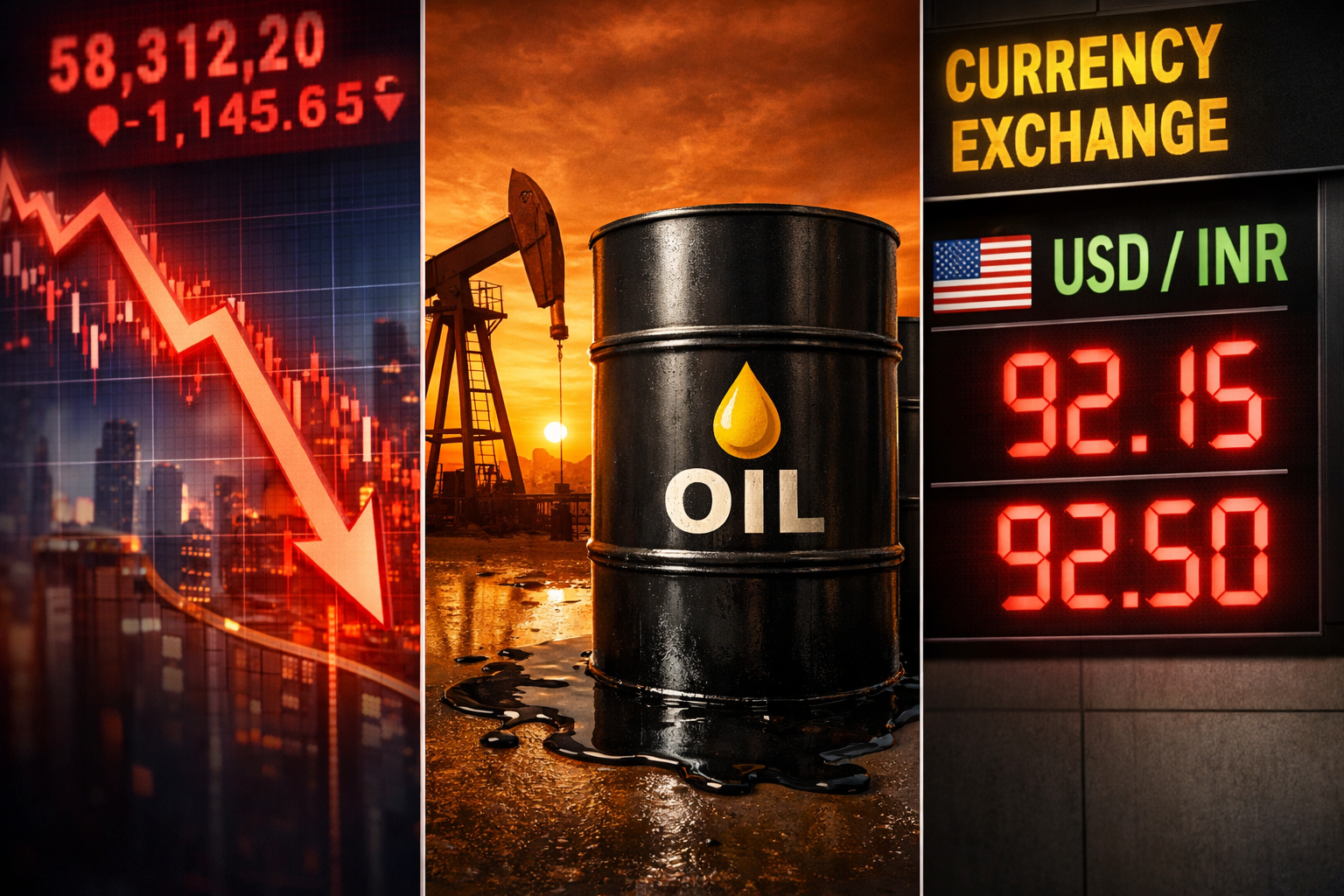
Market Meltdown Deepens Amid War Fears
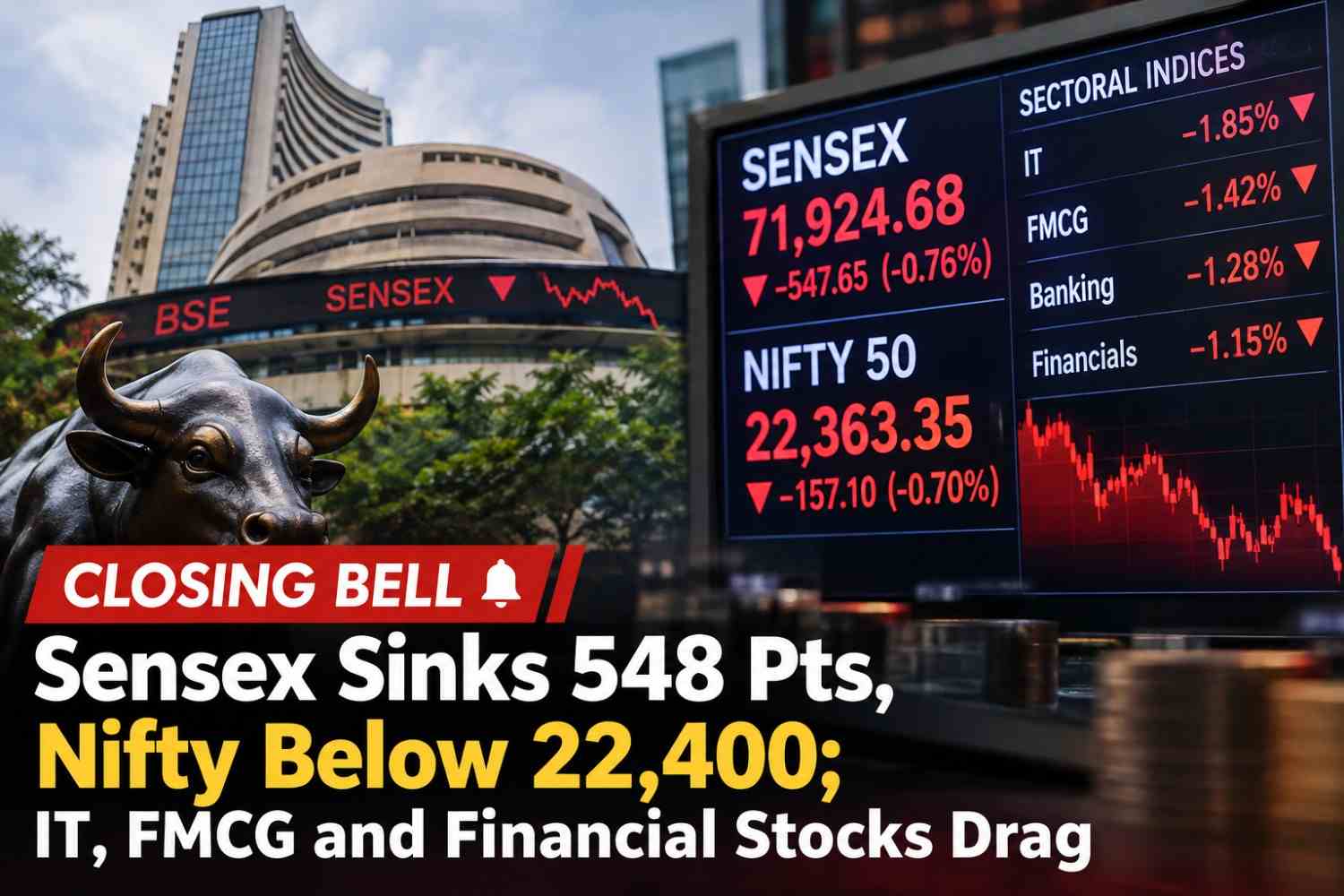
Indian financial markets witnessed one of their sharpest two-day sell-offs in recent months as escalating tensions between the United States, Israel, and Iran rattled global investors. The benchmark indices — BSE Sensex and Nifty 50 — plunged sharply, eroding nearly ₹9.7 lakh crore in investor wealth within just two trading sessions.
The sudden erosion reflects growing concerns over geopolitical instability, rising crude oil prices, and capital outflows from emerging markets like India.
Rupee Hits Historic Low
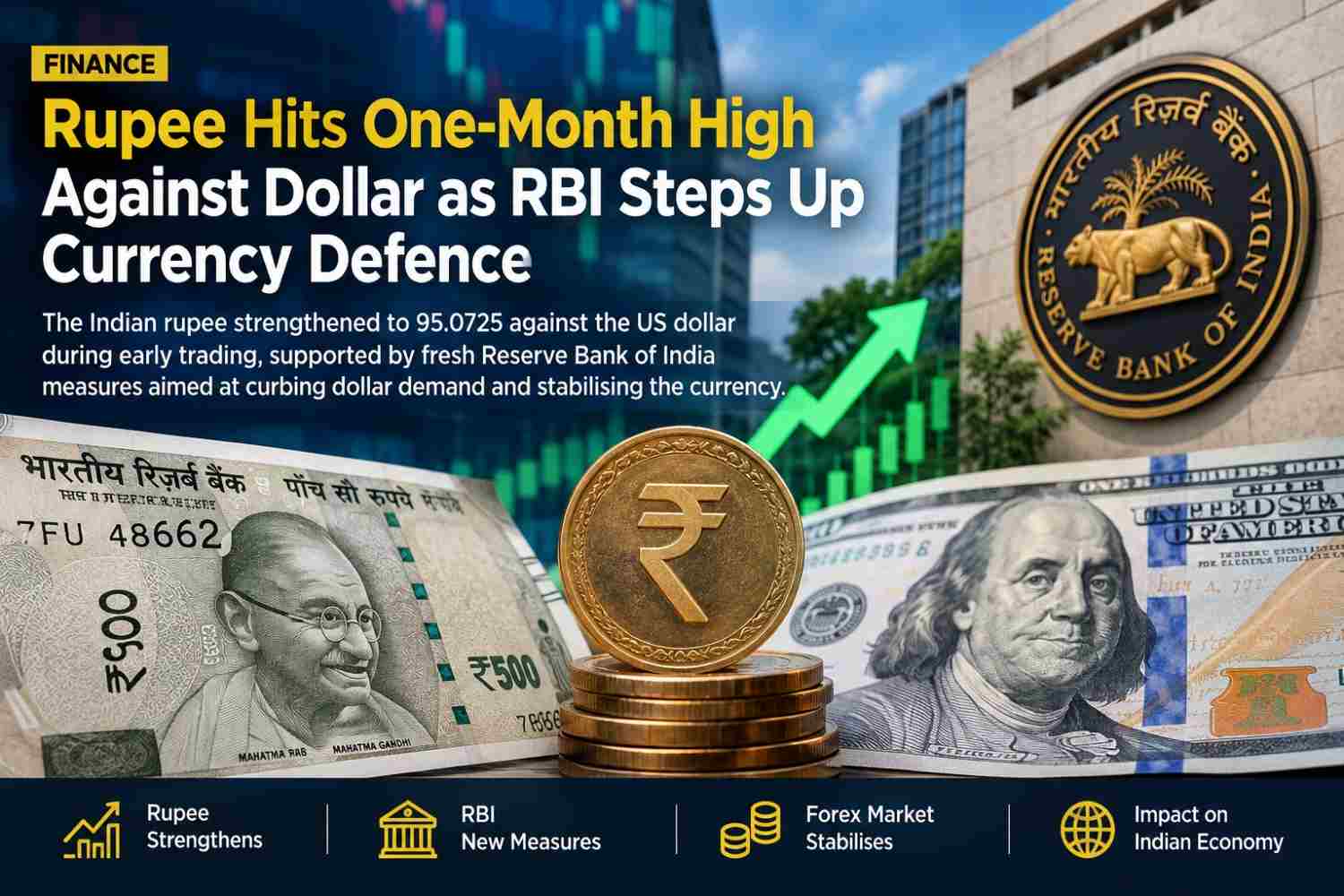
In a dramatic currency move, the Indian rupee breached the ₹92 per US dollar mark for the first time in history. The sharp depreciation came as global investors rushed toward safe-haven assets like the US dollar amid uncertainty.
A weaker rupee raises multiple macroeconomic concerns:
- Higher oil import bills
- Widening current account deficit
- Imported inflation pressures
- Increased cost burden for corporates with foreign debt exposure
Currency traders suggest that unless geopolitical tensions cool, volatility in the forex market could persist.
Oil Prices Fuel the Panic
At the center of the storm lies crude oil. Fears of supply disruptions around the Strait of Hormuz — a critical global oil transit route — pushed Brent crude prices sharply higher.
For India, which imports over 80% of its crude requirement, elevated oil prices translate directly into:
- Inflationary pressures
- Fiscal stress
- Reduced consumer spending power
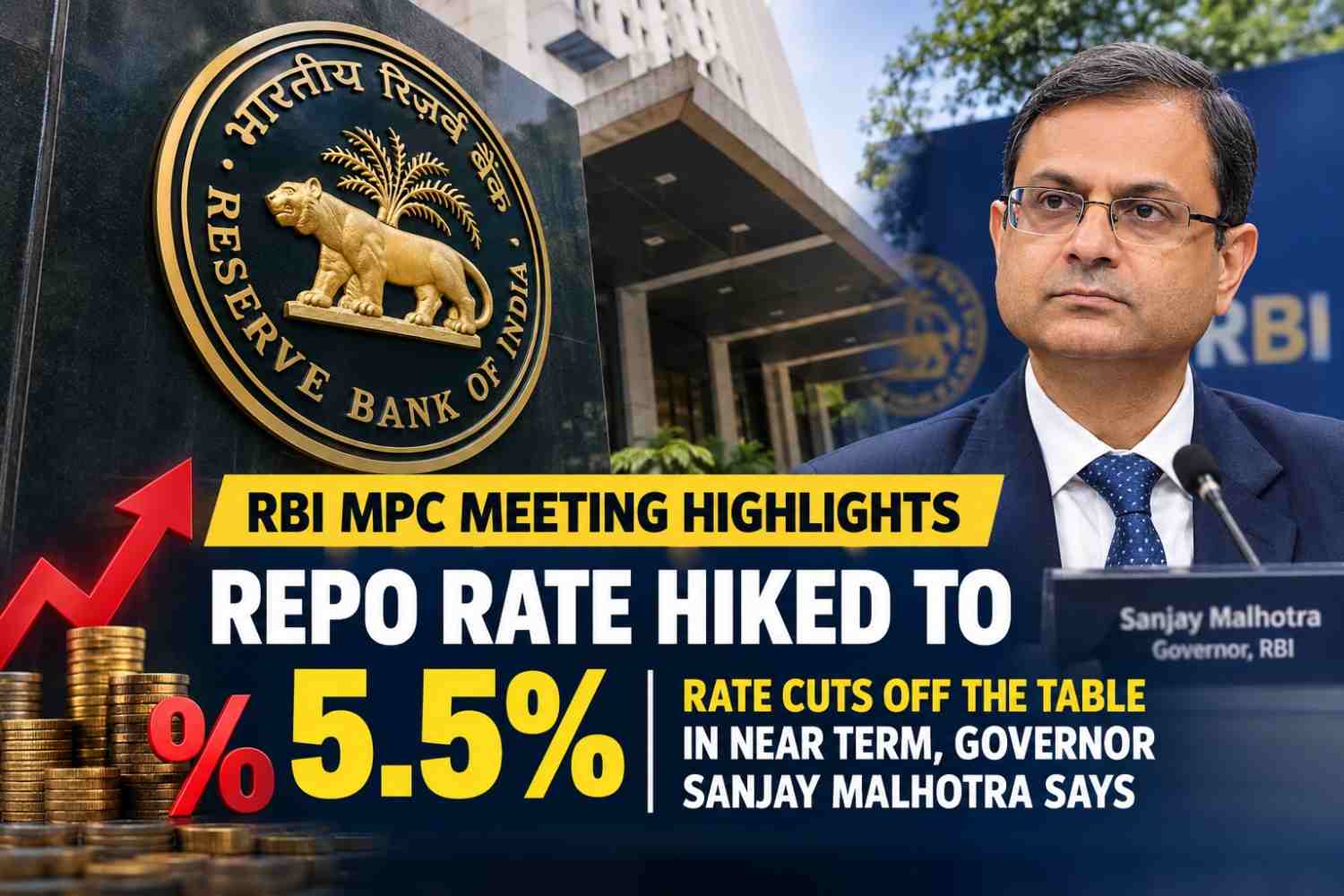
- Pressure on rate policy decisions
Sectors most affected include aviation, paints, chemicals, logistics, and oil marketing companies.
Sector-Wise Market Impact
- Banking & Financials: Heavy selling due to FII outflows and macro uncertainty.
- Infrastructure & Capital Goods: Concerns over Middle East exposure hit sentiment.
- Energy & Upstream Oil Stocks: Some resilience due to higher crude realization expectations.
- Gold & Safe-Haven Assets: Strong buying interest amid risk aversion.
What Happens If the War Ends?
Scenario 1: Diplomatic De-escalation
If tensions ease through negotiations:
- Oil prices could correct sharply.
- Rupee may recover gradually.
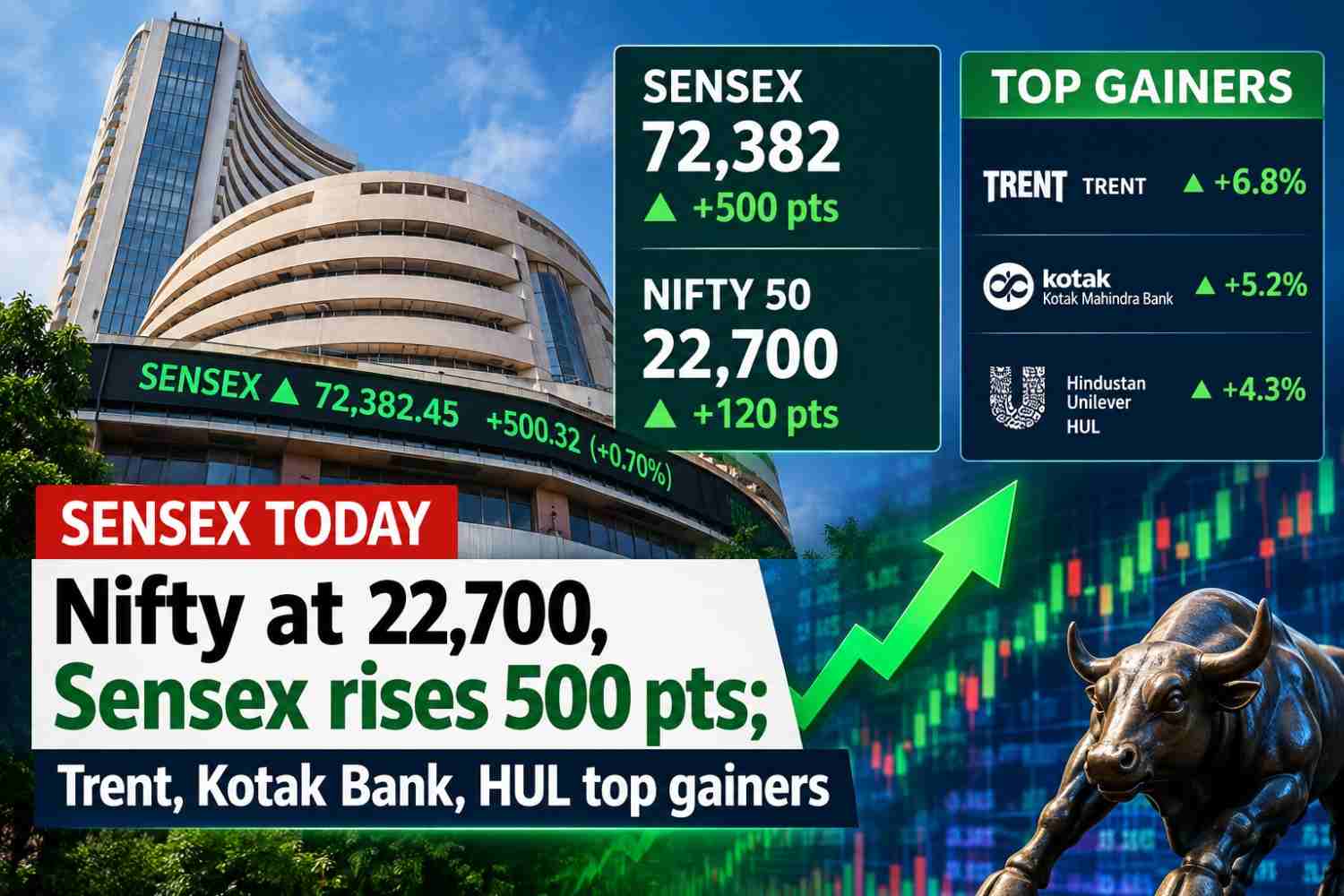
- Indian equities could witness a relief rally.
- Banking, auto, and consumption sectors may outperform.
Scenario 2: Prolonged but Controlled Tension
Markets may remain volatile but range-bound. Defensive sectors such as energy, utilities, and gold could continue to attract flows.
Scenario 3: Further Escalation
If conflict expands regionally:
- Oil may spike further.
- Inflation risks intensify.
- Additional downside pressure on equities possible.
- Foreign capital outflows may accelerate.
Historically, markets react sharply to geopolitical shocks but tend to stabilize once clarity emerges.
Investor Strategy Amid Volatility
In uncertain times, disciplined allocation becomes crucial. Analysts suggest:
- Avoid panic selling at extreme volatility.
- Monitor crude oil movement closely.
- Maintain exposure to fundamentally strong large-cap stocks.
- Keep liquidity ready for staggered accumulation if corrections deepen.
- Diversify into defensive assets where appropriate.
Risk management, rather than aggressive positioning, remains key until geopolitical clarity improves.
Disclaimer:
This article is for informational and educational purposes only and does not constitute financial or investment advice. Market investments are subject to risk. Readers should conduct their own research or consult a certified financial advisor before making any investment decisions.
"The decisions we make today will shape the world for generations to come."