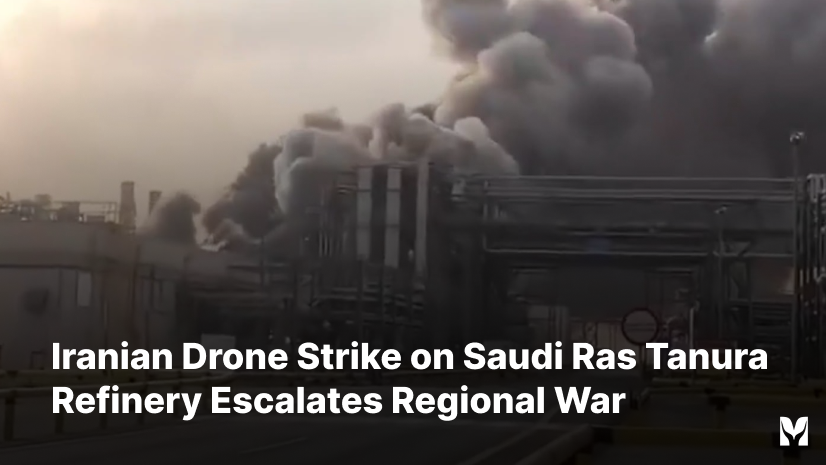
In a dramatic escalation of the three-day-old US-Israel military campaign against Iran, Iranian drones struck Saudi Arabia’s massive Ras Tanura oil refinery complex on Monday morning. Saudi air defenses intercepted the incoming drones, but falling debris sparked a limited fire at the facility — one of the world’s largest and most strategically vital oil processing and export hubs.
What Happened at Ras Tanura
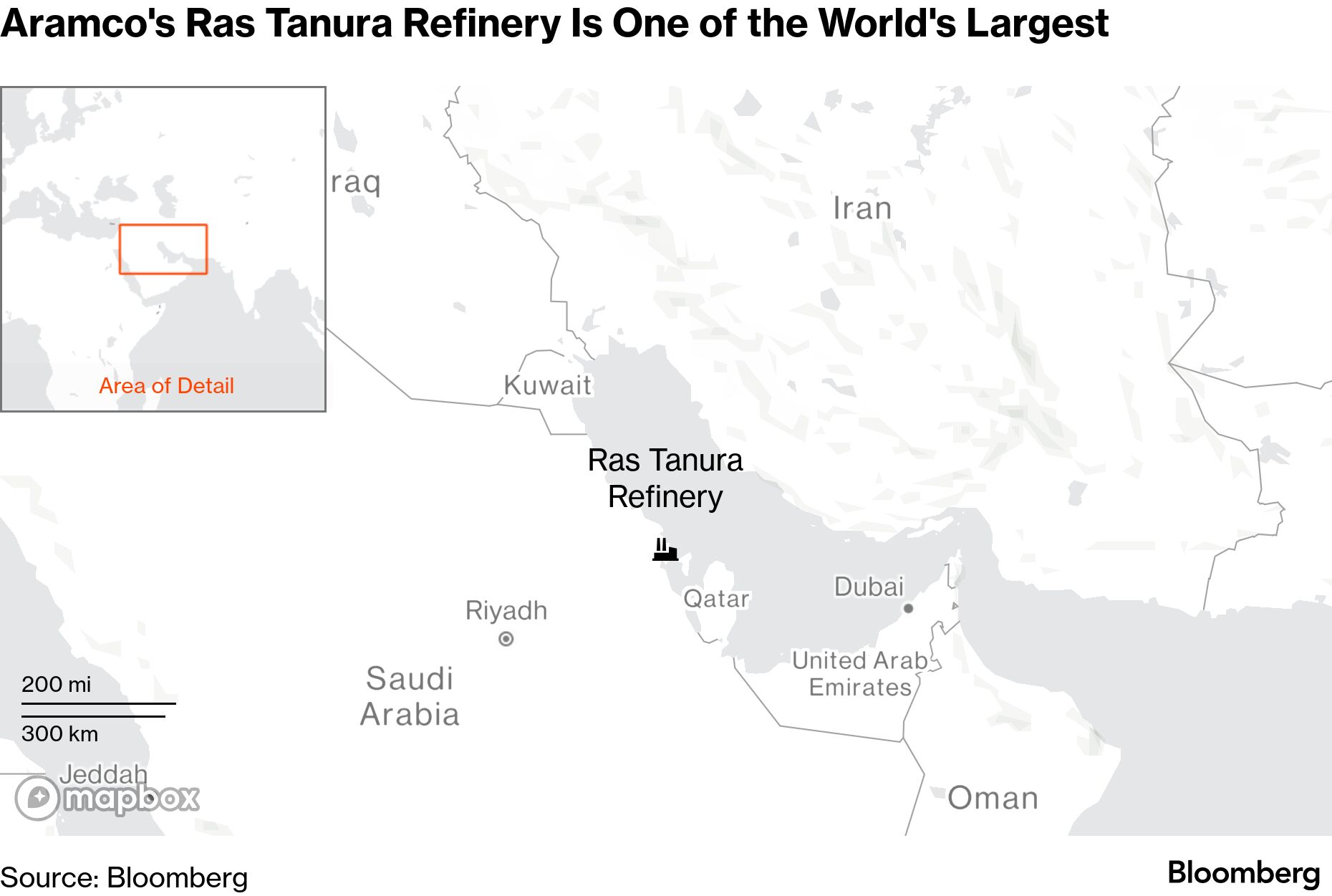
The 550,000-barrel-per-day refinery on Saudi Arabia’s Persian Gulf coast was immediately shut down as a precautionary measure while damage was assessed. Saudi officials reported no casualties and said the fire was quickly contained. The complex also serves as a critical crude export terminal, meaning any prolonged outage could directly hit global supply lines.
This marks the first direct Iranian strike on core Gulf energy infrastructure since the conflict began on February 28. Iran has framed its attacks as retaliation for US and Israeli airstrikes that have targeted Iranian nuclear sites, military bases, and senior leadership.
Geopolitical Ripple Effects
The attack pulls Saudi Arabia — which had tried to stay on the sidelines while privately supporting pressure on Iran — deeper into the conflict. Riyadh condemned the strike as “blatant aggression” despite having assured Tehran it would not allow its territory to be used for operations against Iran.
The strike comes alongside Iranian attacks on Qatar’s Ras Laffan LNG complex (leading to a production halt), Israeli gas fields, and shipping near the Strait of Hormuz — the narrow chokepoint through which roughly 20% of global oil passes daily.
Market Impact: Sharp Spike, Heightened Uncertainty
The drone attack sent energy markets into immediate turmoil. Here’s what analysts and traders are watching:
- Oil Prices Surge: Brent crude, the global benchmark, jumped as much as 10% intraday, trading around $77–82 per barrel — the highest level in over a year. West Texas Intermediate (WTI) rose similarly to the low $70s. The move mirrors the initial 15–20% spike after the 2019 Abqaiq attack but occurs in a far more volatile wartime context.
- Why the Jump? Markets are pricing in two risks: (1) potential longer-term disruption at Ras Tanura and linked export facilities, and (2) the growing threat to the Strait of Hormuz. Even temporary shipping delays or insurance spikes could tighten global supply.
- Broader Economic Fallout:
- Gasoline & Energy Costs: US and European pump prices are expected to rise within days. Airlines and heavy industry face higher fuel bills.
- Inflation Pressure: Central banks already battling sticky inflation will watch closely; prolonged high oil could delay rate cuts.
- Stock Markets: Energy companies (Aramco, Exxon, Shell, Chevron) gained sharply. Broader indices fell on recession fears and risk-off sentiment.
- LNG & Gas: European and Asian natural gas prices soared after Qatar’s force majeure on LNG shipments — Qatar supplies nearly 20% of global LNG.
- Longer-Term Scenarios: Analysts at JPMorgan and others warn that sustained conflict could push Brent toward $100–120 if more infrastructure is hit or Hormuz traffic is seriously disrupted. However, global spare capacity, strategic reserves, and Saudi ability to reroute production could limit damage if the outage lasts only days.
What Comes Next?
- Saudi Aramco has a strong track record of rapid recovery (as seen in 2019), but this time the threat is ongoing and multi-front. The kingdom has raised military readiness and signaled it will respond if attacked again.
- For the global economy, the message is clear: energy security is once again hostage to Middle East geopolitics. While today’s price spike may ease if the refinery restarts quickly, the psychological “fear premium” is now firmly back in the market — and could stay there as long as missiles and drones continue flying.
- The human and strategic cost of this widening war is already mounting. Whether diplomacy can still pull the region back from the brink remains the critical unanswered question as markets brace for a volatile week ahead.
"The decisions we make today will shape the world for generations to come."