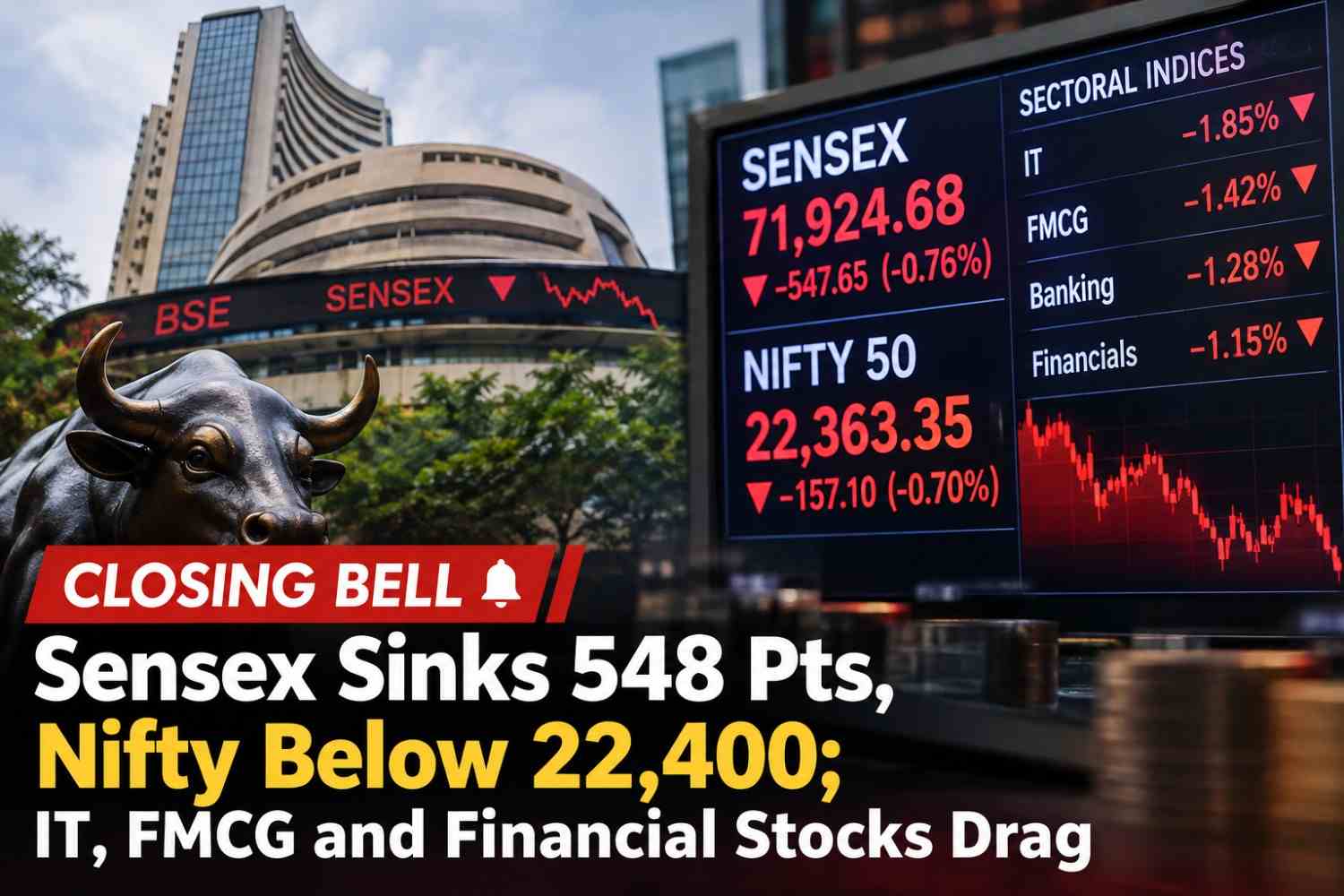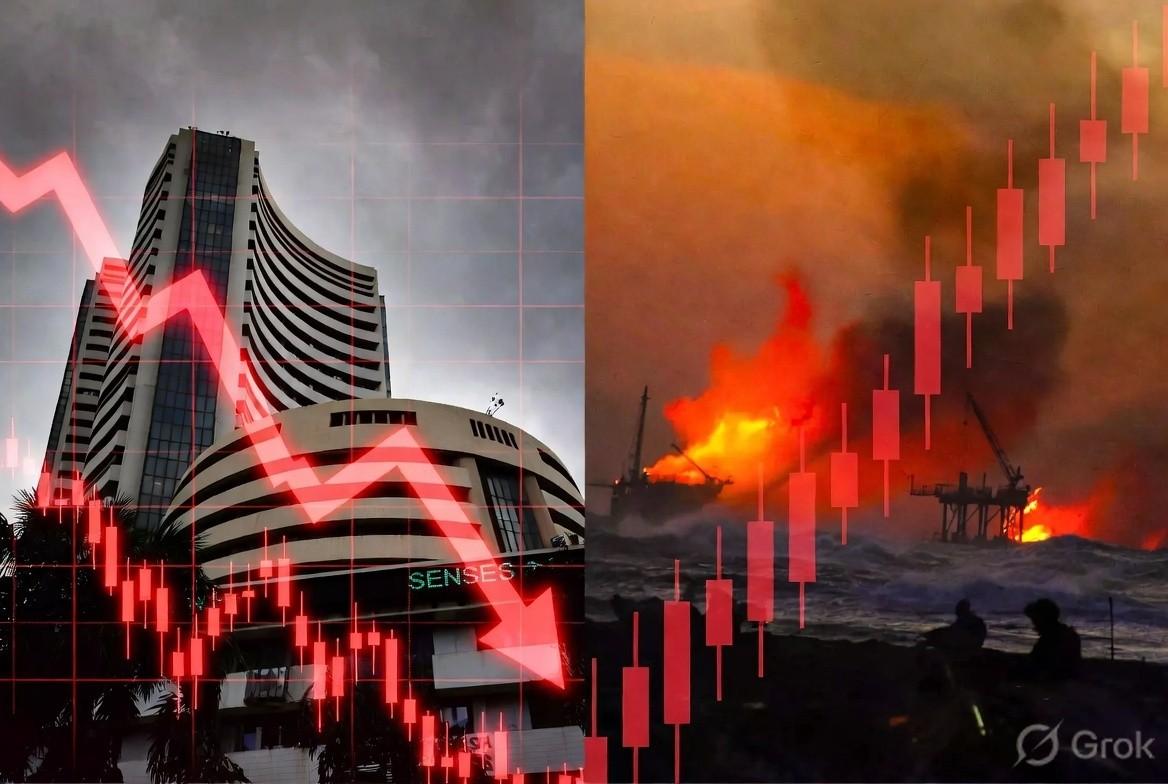
The trading floors fell silent as the numbers turned blood red. On a day when investors were already navigating quarterly earnings and global cues, the BSE Sensex tumbled over 500 points, dragged down by surging oil prices that breached the psychologically critical $90 barrier amid fresh escalations between the US and Iran. This wasn't just another volatile session—it was a stark reminder of how distant conflicts can send shockwaves through Dalal Street.
At its core, the sell-off reflects deep-seated fears over energy security. The Strait of Hormuz, a narrow chokepoint handling about 20% of global oil trade, has become a flashpoint once more. Renewed strikes and retaliatory actions have disrupted shipping, tightened supply expectations, and propelled Brent crude higher. For India, which imports over 85% of its crude needs, this translates directly into higher input costs for industries, elevated fuel prices at the pump, and pressure on the current account deficit.
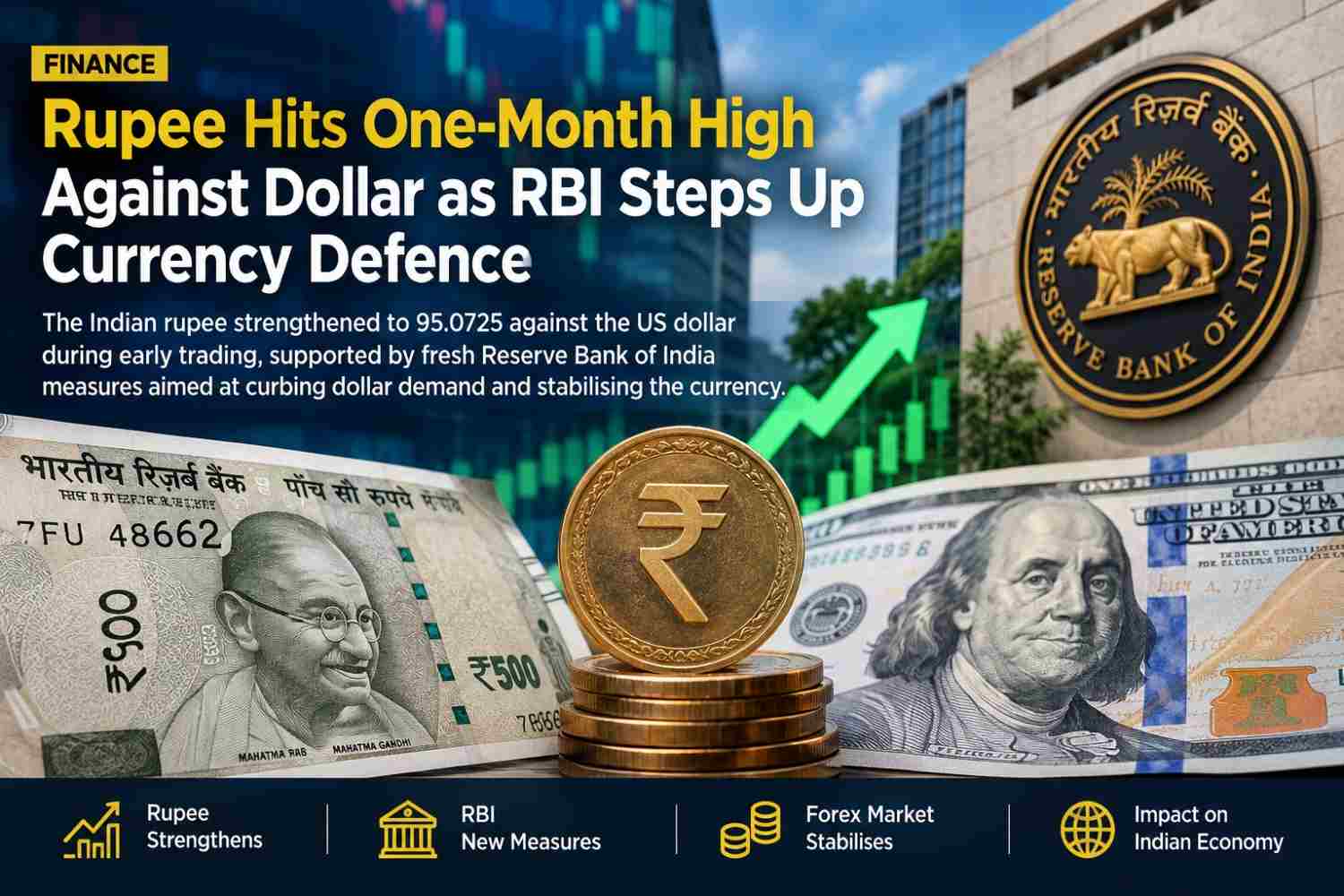
Why does this matter so much right now? India's economy has shown resilience with strong domestic consumption and services growth, but external shocks like these expose vulnerabilities. Higher oil prices feed into transportation and manufacturing costs, potentially stoking inflation at a time when the RBI is balancing growth and price stability. The rupee, already sensitive to global dollar strength and FII flows, faces depreciation risks, making imports even costlier and eroding corporate margins—especially for oil marketing companies, airlines, and paint manufacturers.
Markets reacted swiftly. Banking and auto stocks, sensitive to interest rates and fuel costs, bore the brunt, while defensives like IT and pharma offered limited shelter. Broader sentiment soured as global indices also wavered, with investors pricing in delayed rate cuts from major central banks due to sticky inflation. Yet, it's not all doom: India's strategic petroleum reserves provide a buffer, and diversified energy pushes (renewables, domestic production) are gaining traction, though their impact remains gradual.
Looking ahead, the "when" and "how" of de-escalation will dictate the trajectory. Diplomatic efforts continue in the background, but sustained tensions could keep oil volatile into the coming weeks. For investors, this environment calls for caution—focusing on companies with strong pricing power, hedging capabilities, or export resilience—while monitoring FII flows and rupee movements closely. The drop isn't isolated; it's part of a pattern where geopolitics overrides fundamentals, testing market nerves.
In uncertain times like these, the key insight is preparation over panic. Diversification across asset classes, staying informed on energy developments, and a long-term horizon remain the best defenses. While today's plunge stings, it also creates opportunities for those positioned strategically as the dust settles.
"The decisions we make today will shape the world for generations to come."