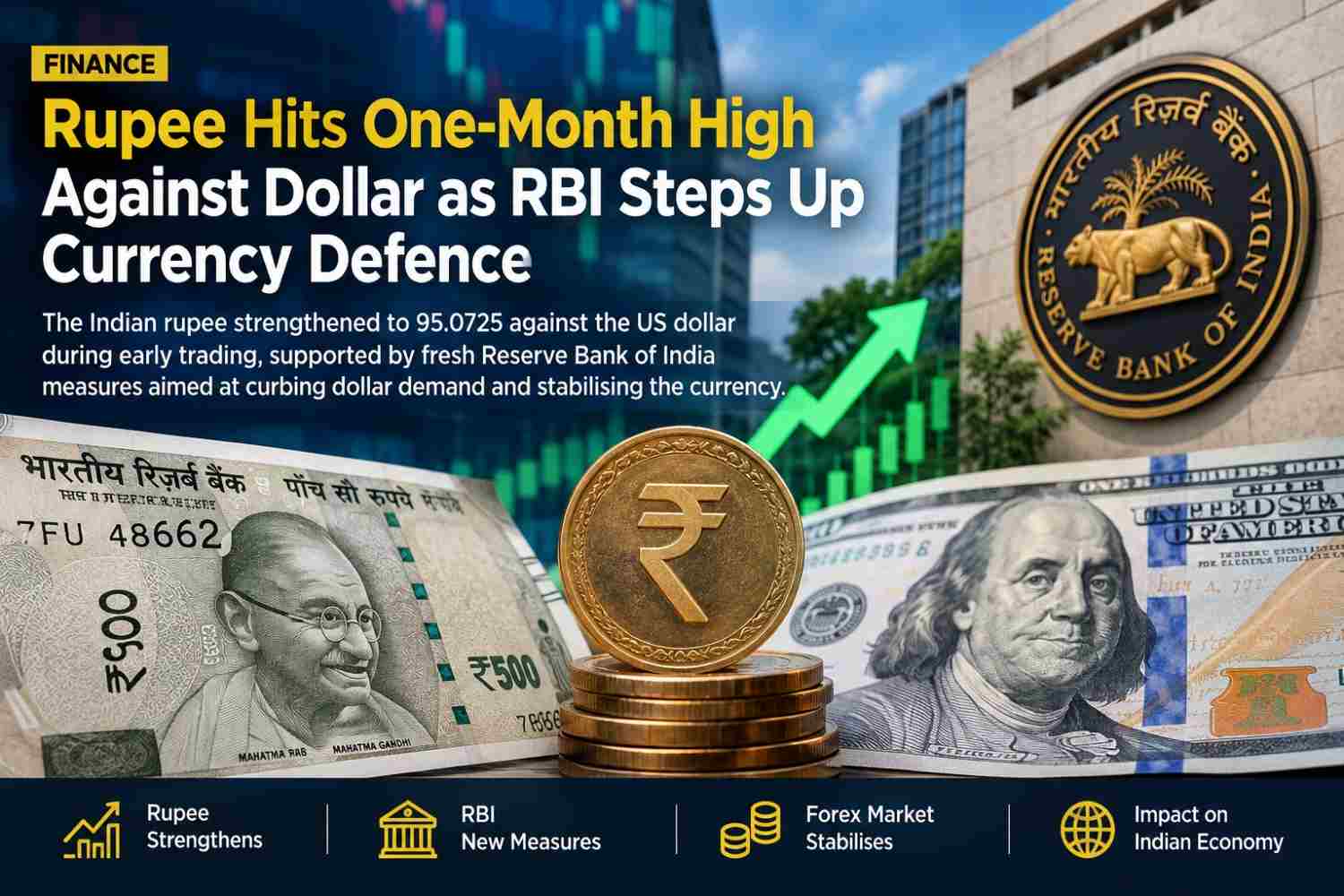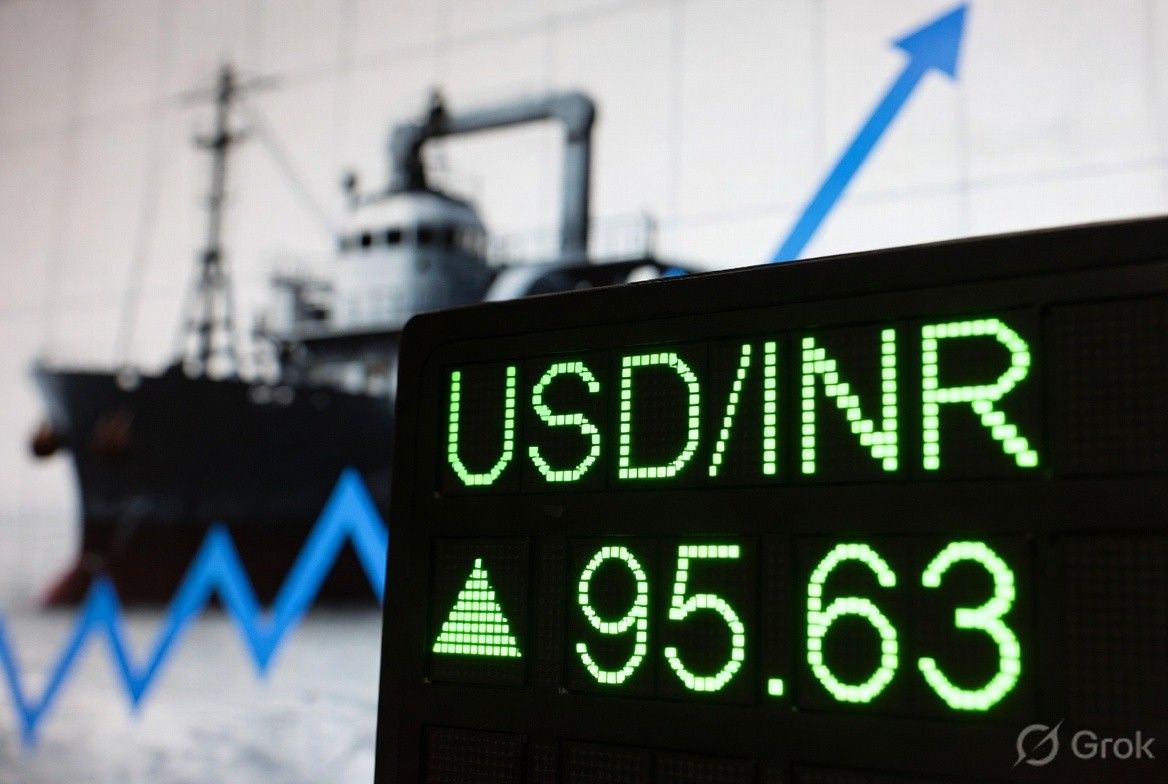
The Indian rupee managed a modest recovery in early trade on Thursday, climbing 13 paise to 95.63 against the US dollar. It had closed the previous session at 95.76. The currency opened stronger at 95.59 before settling around the reported level in interbank dealings.
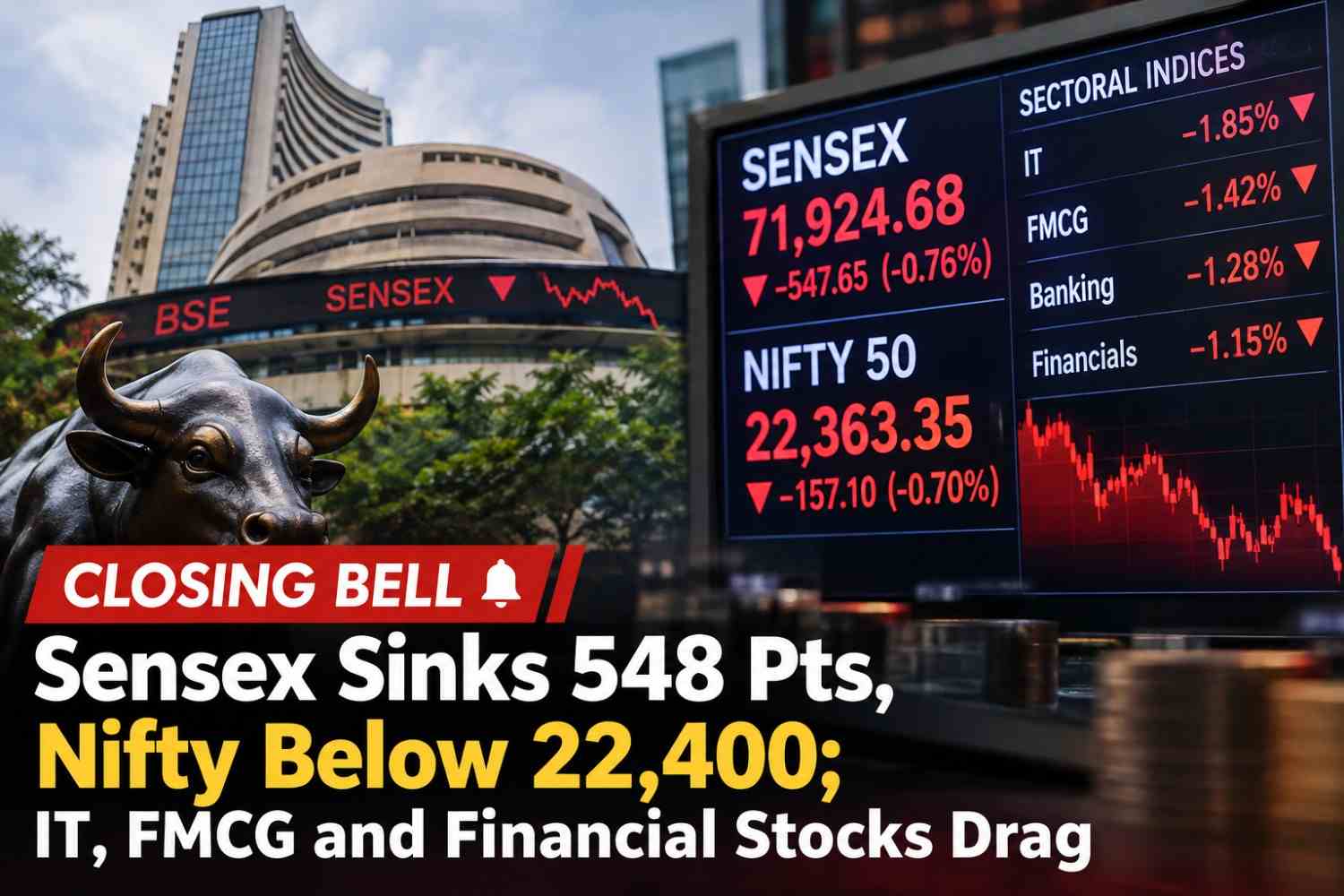
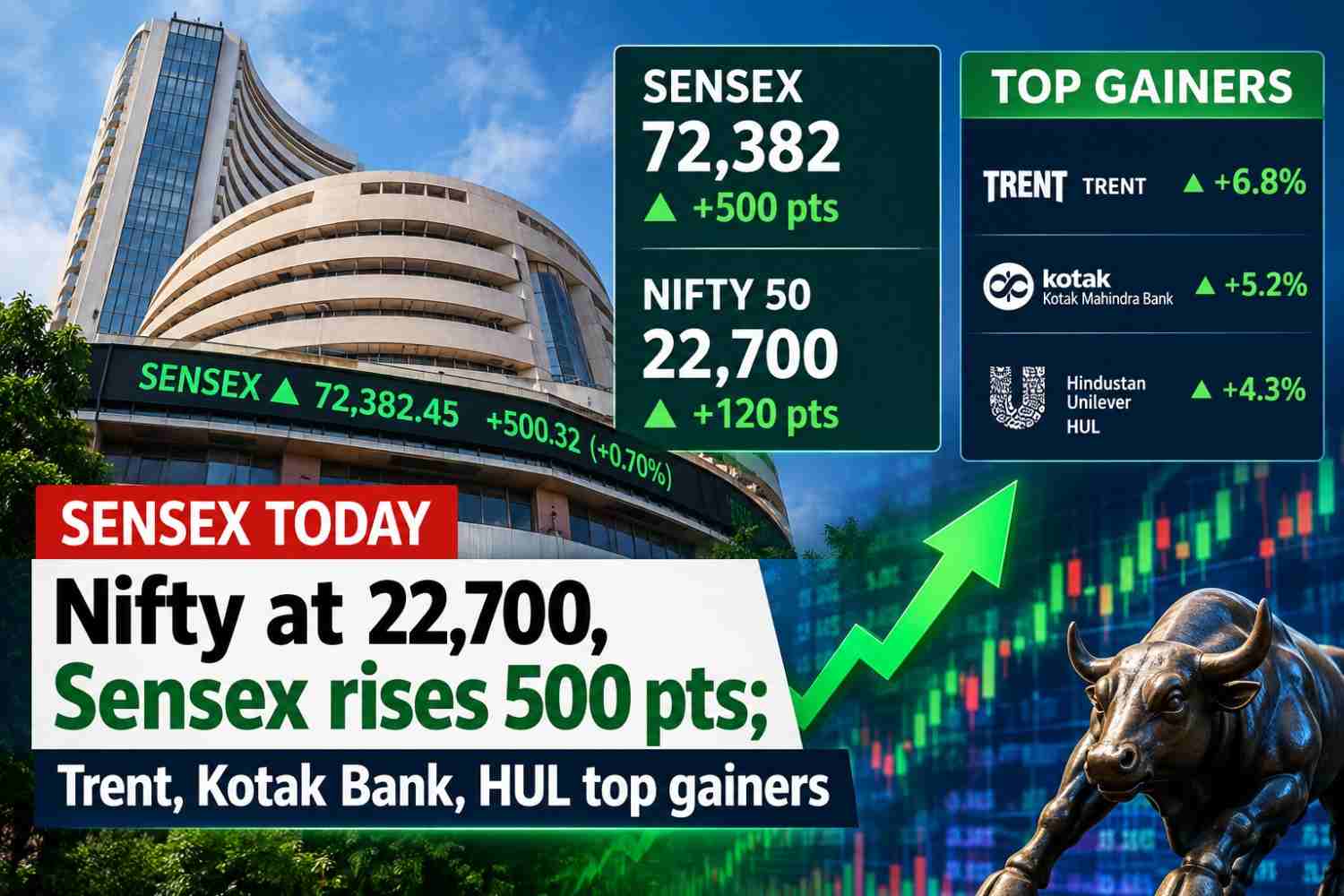
Dealers attributed the limited gain to positive momentum in domestic equity markets and continued foreign institutional investor inflows. Net FII purchases of nearly ₹3,000 crore on the prior day provided some support. At the same time, the advance was capped by a firm dollar index after the US Federal Reserve held interest rates steady.
This small upward move does little to change the larger picture. Throughout 2026 the rupee has spent extended periods near multi-month and even record lows, repeatedly testing levels above 96. The primary drivers remain structural: heavy dependence on imported crude, a persistent trade deficit, and limited ability to absorb external energy shocks. Every escalation in the ongoing US-Iran confrontation and the resulting pressure on the Strait of Hormuz immediately feeds into higher oil prices, greater dollar demand for imports, and renewed pressure on the currency.
A weaker rupee is not an abstract number. It raises the cost of crude, fertilisers, electronics and essential commodities. These higher import bills translate into elevated fuel prices, transport costs and food inflation that hit ordinary households first. Exporters gain some pricing edge, but the benefits are uneven and often offset by rising domestic costs. For the bulk of the population the outcome is reduced purchasing power and a steady erosion of real incomes.
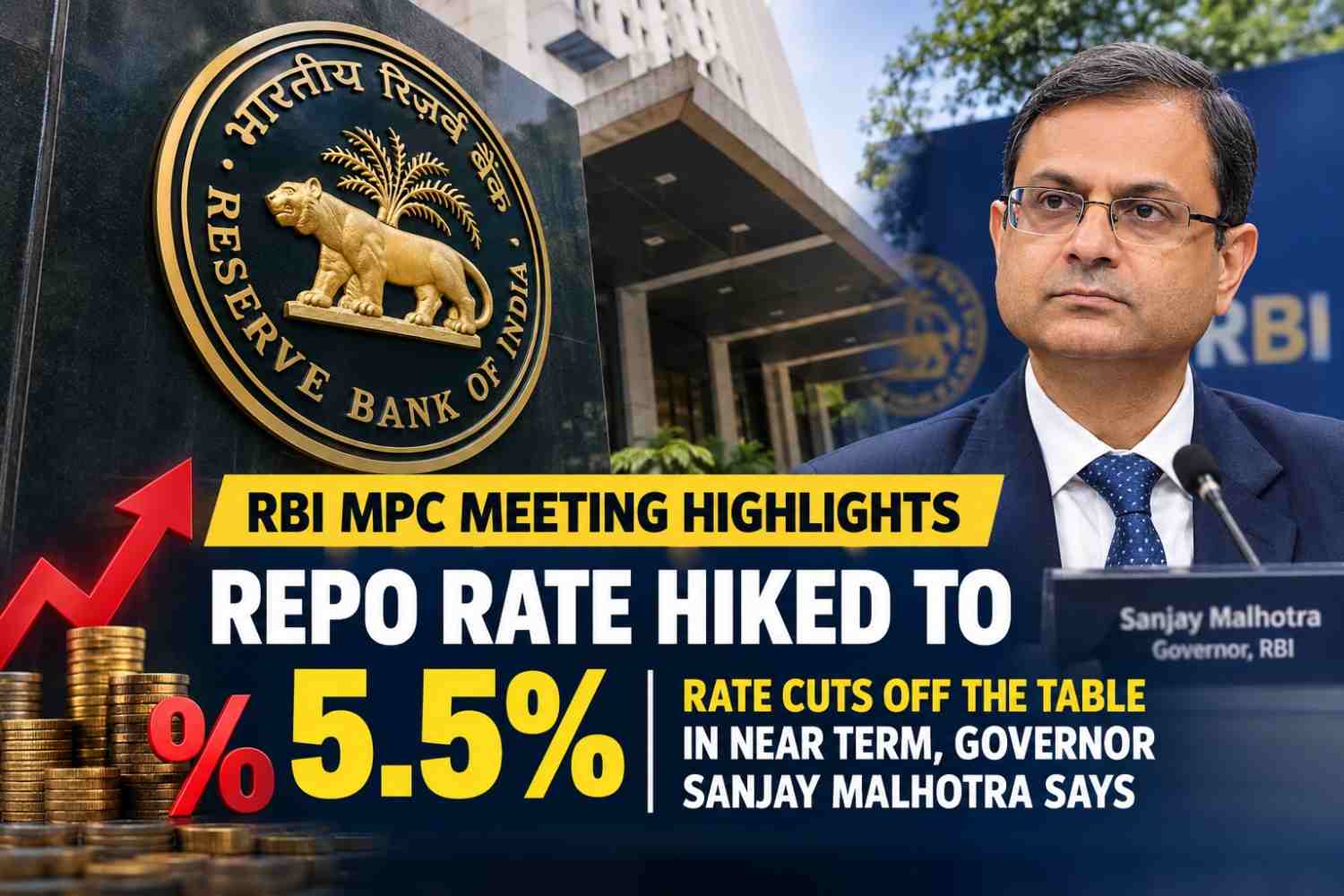
The official response continues to follow a familiar pattern. The Reserve Bank intervenes selectively to prevent disorderly moves, statements are issued about monitoring the situation, and the political leadership points to overall growth numbers. What is missing is a coherent, accelerated strategy to reduce the economy’s extreme vulnerability to energy price shocks. Strategic reserves, faster diversification of supply sources, aggressive domestic production incentives and credible long-term energy security planning remain secondary to short-term management.
Celebrating a 13-paise recovery while the currency still trades more than 9 per cent weaker over a twelve-month horizon reveals the shallowness of the current approach. Markets respond to flows and sentiment on any given morning. Nations are judged by whether they have insulated their citizens from repeated external blows. On that measure the system continues to fall short, leaving the rupee chronically exposed and the public repeatedly absorbing the cost.
"The decisions we make today will shape the world for generations to come."