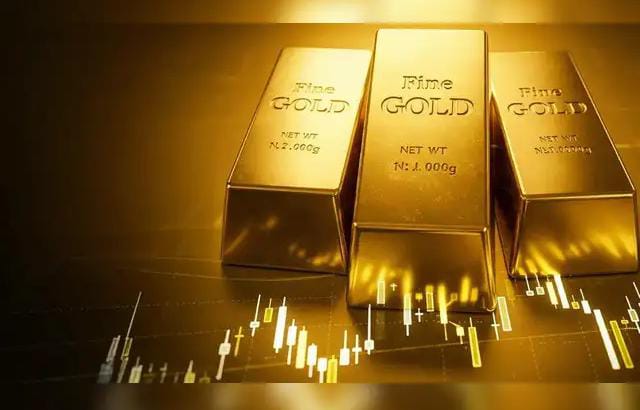
Precious metal markets experienced downward pressure this week as diplomatic talks between the United States and Iran took center stage. Gold prices slipped amid signs that nuclear negotiations may ease longstanding tensions, reducing the urgency for investors to seek refuge in safe assets.
Gold often acts as a hedge during periods of uncertainty. However, when diplomatic progress appears possible, investor appetite for risk tends to increase. This shift was visible in global markets, where equities stabilized while bullion retreated.
In addition to geopolitical factors, macroeconomic influences also weighed on gold. The U.S. dollar strengthened ahead of key economic indicators, making bullion less attractive internationally. Rising bond yields further reduced gold’s appeal, as the metal does not offer interest returns.
Market strategists suggest that the decline does not necessarily indicate a long-term trend reversal. Instead, it reflects a temporary adjustment based on improving diplomatic signals and expectations surrounding monetary policy.
The outcome of the nuclear discussions remains uncertain, and volatility could return if negotiations falter. For now, however, the market mood appears cautiously optimistic, leading to a pullback in gold and other precious metals.
"The decisions we make today will shape the world for generations to come."