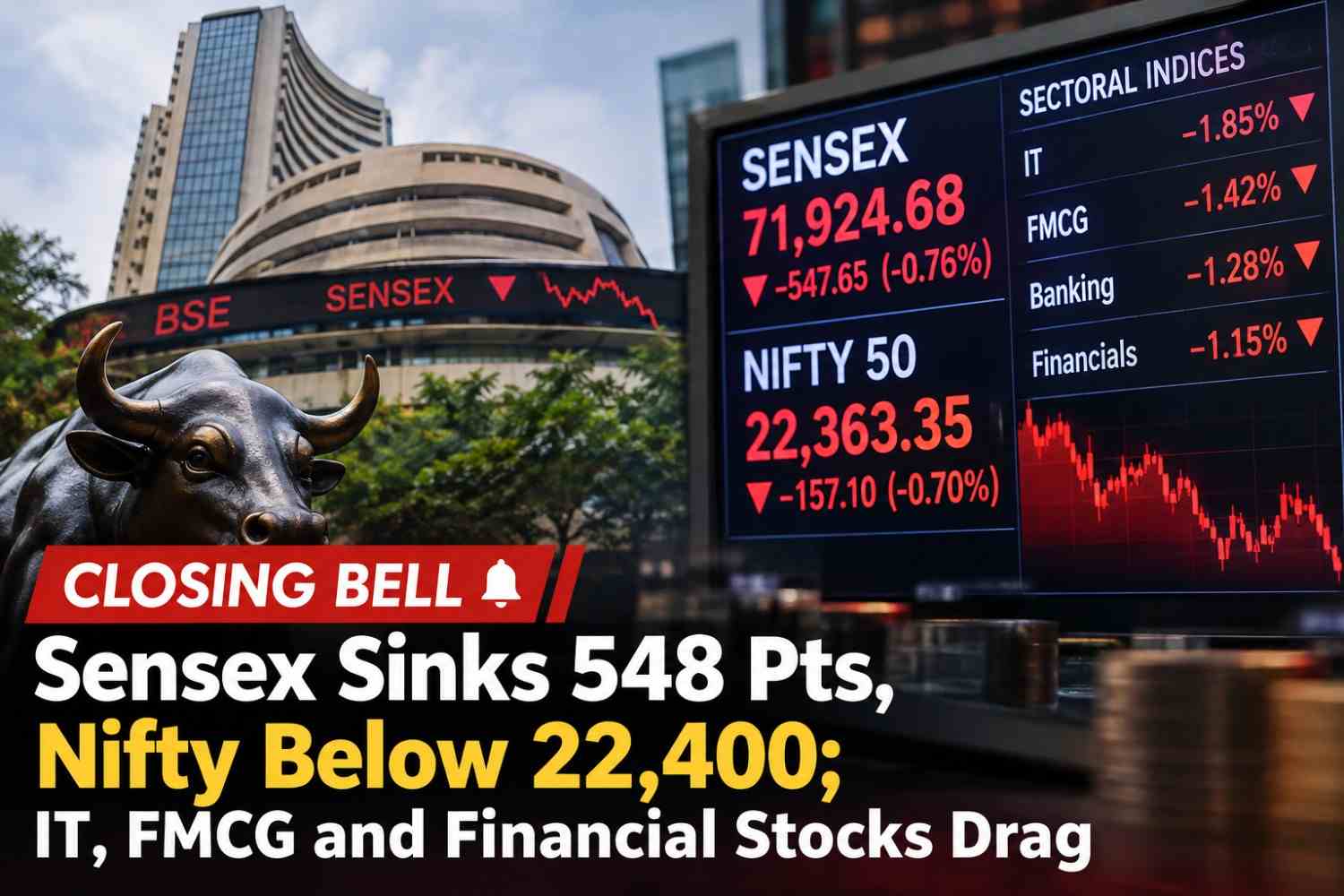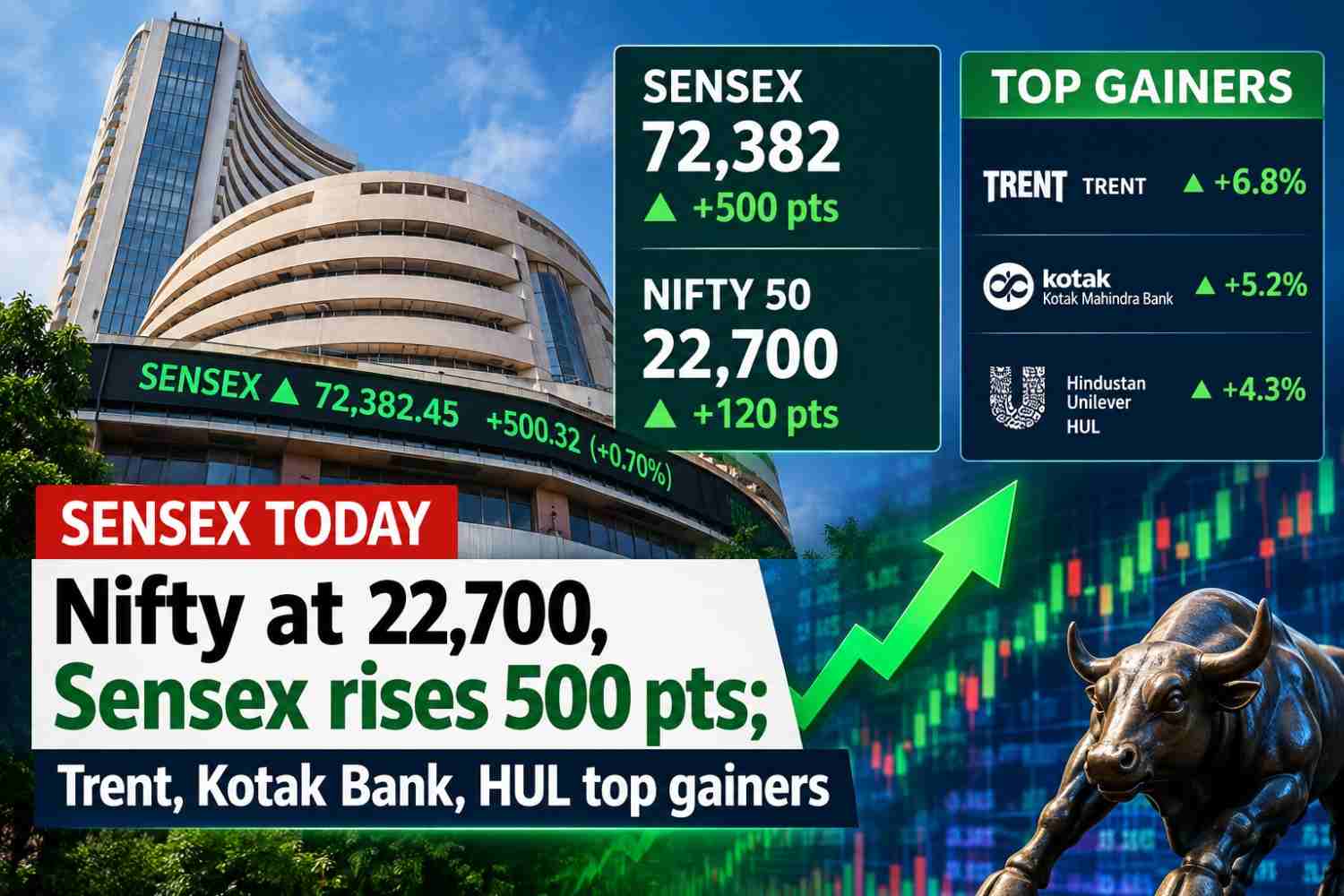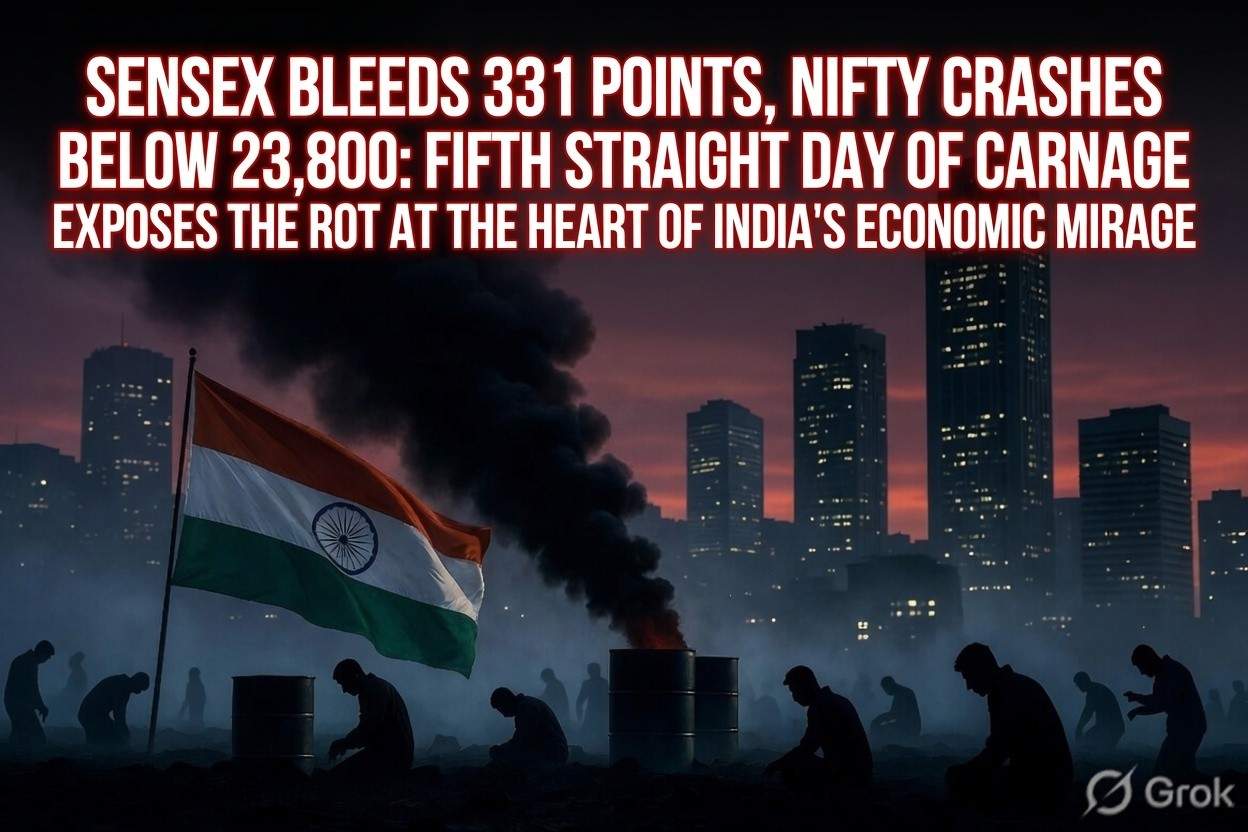
Indian equity markets closed Friday with another day of steady bloodletting. The Sensex shed 331.62 points, or 0.43 percent, to finish at 76,059.77. The Nifty 50 dropped 102.15 points, also 0.43 percent, and settled at 23,767.45 — firmly below the psychological 23,800 mark. This marked the fifth straight session of losses, extending a slide that has already erased meaningful wealth from millions of retail investors and pension funds.
Sector performance told a clear story of selective resilience amid broader weakness. The Nifty IT index rose around 0.87 percent and Nifty Media jumped over 2 percent, offering the only real cushion. Auto stocks led the decline, with the Nifty Auto index tumbling roughly 1.1–1.13 percent. Metals and realty also finished deep in the red. The divergence was not accidental. IT and media found buyers on relative earnings stability and limited domestic cyclical exposure. Auto, heavily dependent on consumer confidence, fuel prices, and interest-rate sensitivity, took the full force of the day’s risk-off mood.
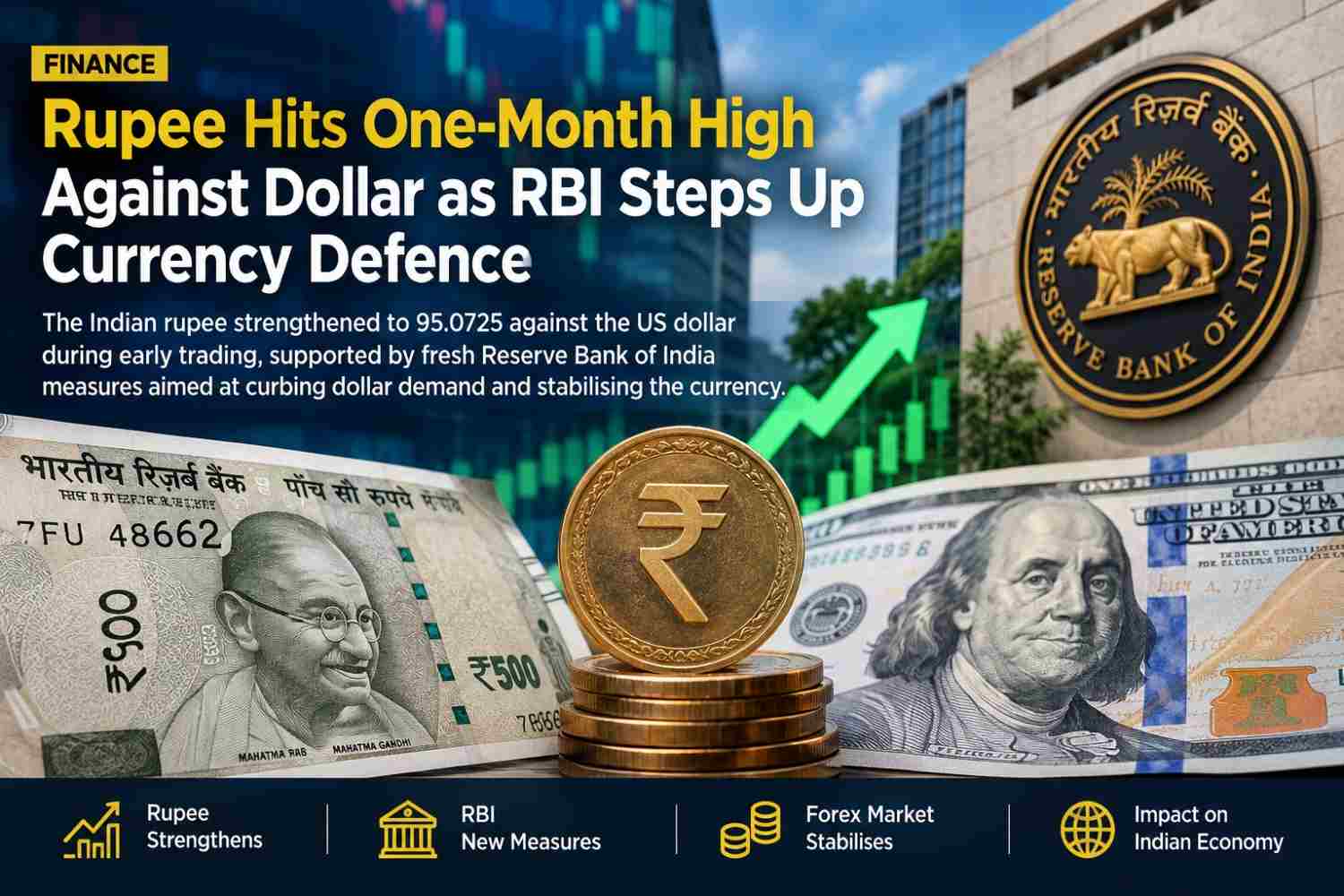
The immediate triggers were familiar and damning. Brent crude hovered near or above the $100-per-barrel zone amid renewed West Asian tensions, particularly the continuing US-Iran confrontation. India remains one of the world’s largest crude importers. Every sustained spike in oil prices feeds directly into higher fuel costs, elevated logistics expenses, wider current-account pressure, and eventual inflation that hits the middle class and the poor hardest. Foreign institutional investors continued their selling, compounding the domestic pressure. The rupee managed a modest recovery late in the day but still trades at levels that underscore persistent vulnerability.
These are not isolated market events. They are the visible symptoms of deeper structural failure. Successive governments have spoken endlessly about energy security and strategic autonomy while leaving the economy critically exposed to every geopolitical flare-up in the Middle East. Domestic refining capacity and strategic petroleum reserves have expanded, yet the fundamental dependence remains. When oil moves sharply, the market does not wait for ministerial statements or next-quarter projections. It prices in the damage immediately — higher input costs for manufacturers, squeezed margins for transporters, and reduced disposable income for households already stretched by food and housing inflation.
The auto sector’s underperformance is particularly revealing. Vehicle sales and sentiment remain sensitive to fuel prices and financing costs. When crude surges and the broader economy shows signs of fatigue, the first casualties are often discretionary purchases that ordinary families make. The fact that IT and media could still attract buying only highlights how narrow the sources of genuine strength have become. A market that relies on a handful of defensive or export-oriented pockets while its cyclical backbone weakens is not a sign of robust growth. It is a sign of fragility dressed up as resilience.
Foreign selling adds another layer of indictment. Global capital is not sentimental. When it consistently reduces exposure to Indian equities during periods of elevated oil risk and policy uncertainty, it is making a cold assessment of relative attractiveness and governance quality. The narrative of India as an unstoppable growth story collides with the reality of repeated episodes in which external shocks expose the same soft underbelly — inadequate buffers, slow structural reform in energy and logistics, and a tendency to manage optics rather than underlying vulnerabilities.
Retail investors and systematic investment plan holders have watched their portfolios erode over five consecutive sessions. The human cost is not abstract. It shows up in postponed home purchases, delayed education plans, and heightened anxiety among the salaried class that forms the backbone of domestic demand. Meanwhile, official commentary continues to emphasise long-term structural positives and selective corporate earnings. Those points may hold in textbooks. They offer little consolation when the daily closing numbers keep moving against the average citizen.
Markets are forwarding-looking mechanisms. They do not punish governments for political rhetoric. They punish them for repeated failure to insulate the economy from predictable external shocks and for policies that leave critical sectors overexposed. Friday’s close — Sensex down 331 points, Nifty below 23,800, auto dragging while only IT and media offered relief — is the latest data point in that ongoing verdict.
The system that repeatedly allows oil spikes and foreign outflows to dictate domestic equity performance is not delivering the broad-based prosperity it claims. Until energy dependence is meaningfully reduced, fiscal and monetary buffers are strengthened, and policy credibility is restored through action rather than announcements, these closing bells will continue to sound like warnings rather than temporary setbacks.
"The decisions we make today will shape the world for generations to come."