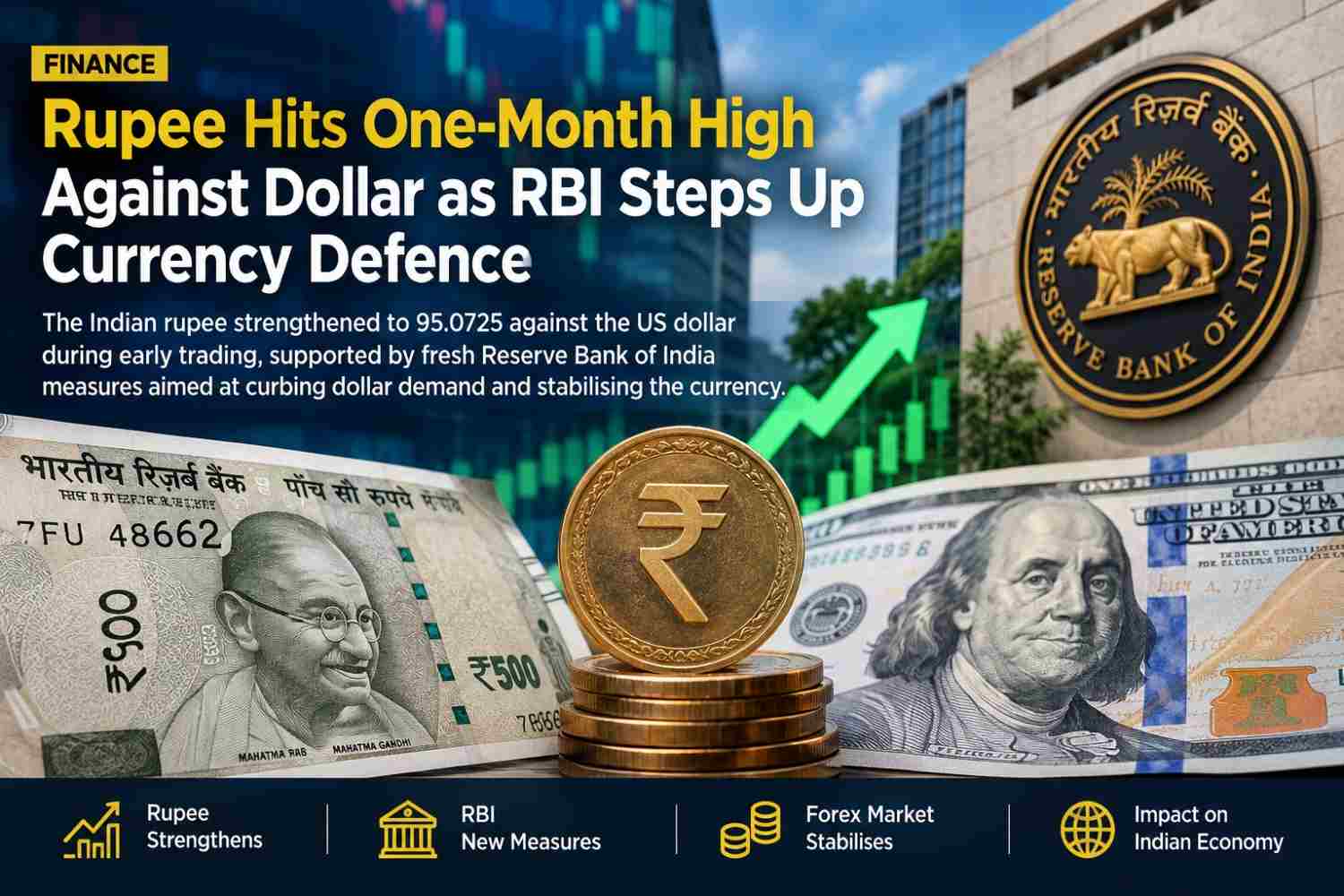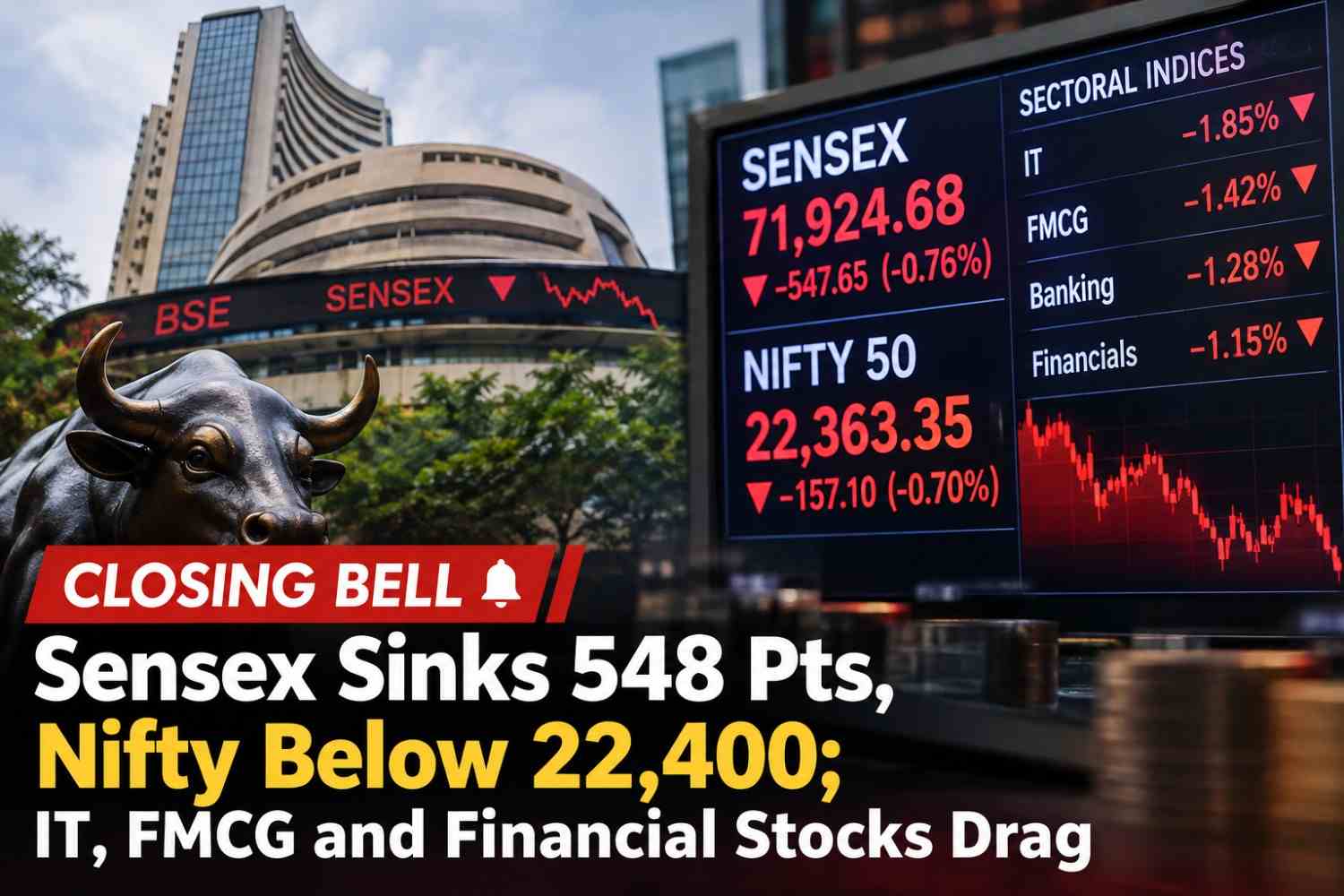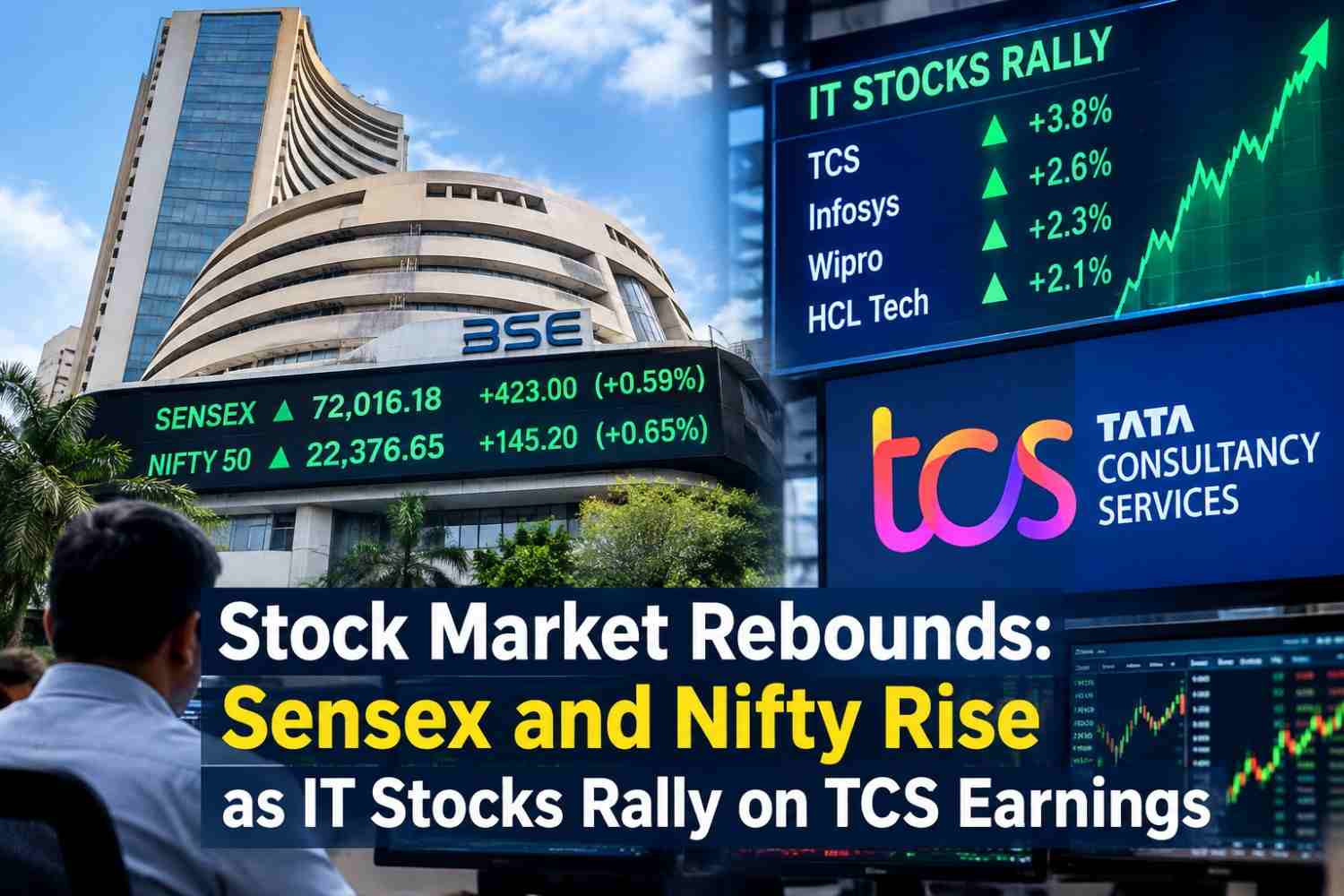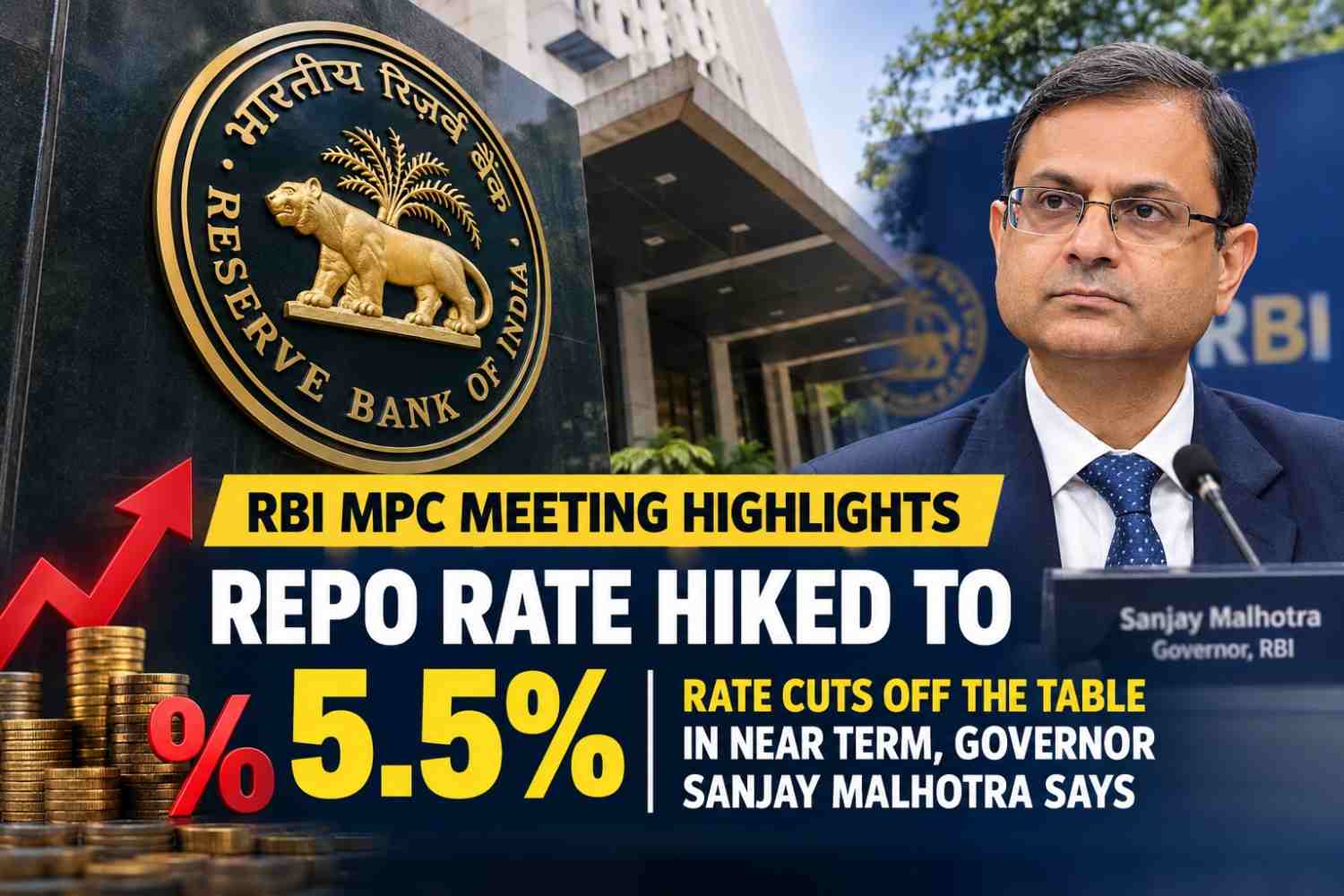
Indian equity markets opened and stayed trapped in a narrow, almost motionless range on Thursday. By mid-session the Sensex hovered near 77,670, barely changed from its previous close of 77,654.60. The Nifty 50 clung to the 24,250–24,270 zone, showing no decisive direction. Traders described the mood as cautious and wait-and-watch, with market breadth remaining weak.
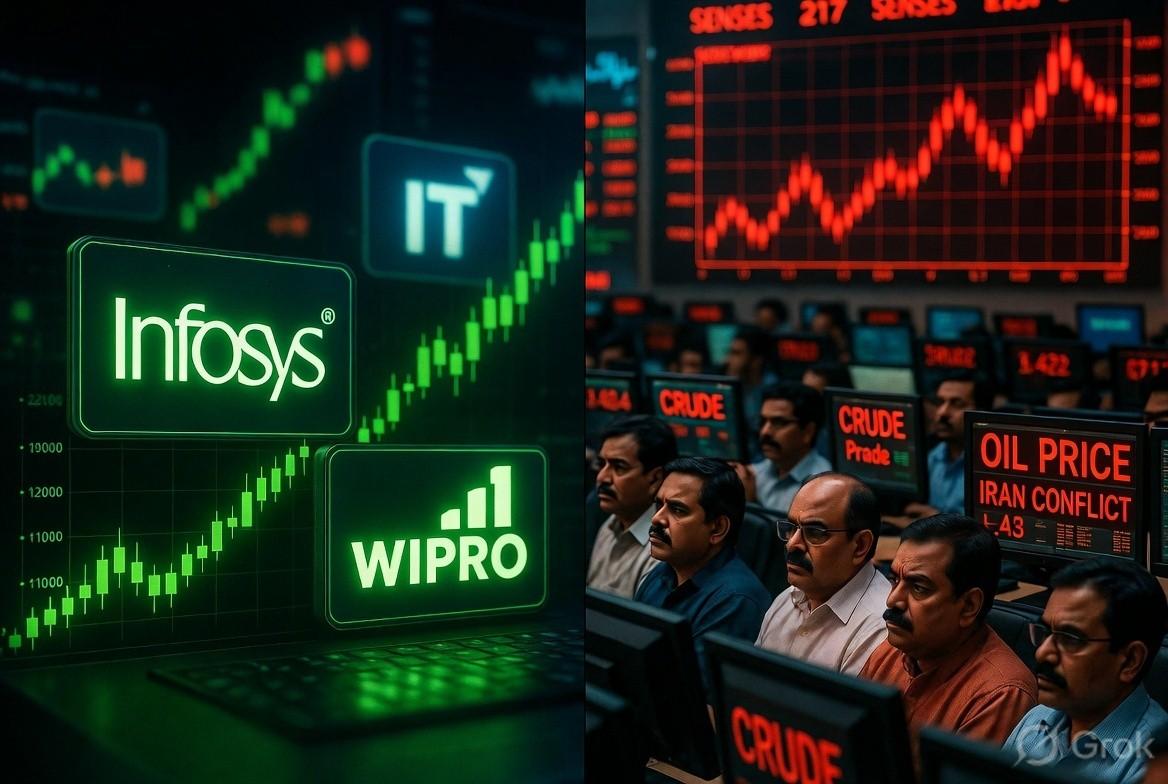
The only clear bright spot was information technology. The Nifty IT index climbed more than 1.3 per cent, extending its recent run. Wipro led the pack with gains approaching 3 per cent. Infosys, Tech Mahindra and HCL Technologies also advanced firmly. Investors appeared willing to buy the sector on hopes of resilient demand and relative insulation from domestic policy noise.
Everything else stayed subdued. Realty stocks reversed recent gains and traded lower. Banking and financial names struggled for traction. Broader mid-cap and small-cap indices lagged, reflecting selective buying rather than broad confidence.
The immediate pressure came from renewed escalation in the Middle East. Fresh American strikes on Iranian targets and the continuing risk to the Strait of Hormuz kept crude oil prices elevated near the $90 mark. Every spike in energy costs feeds directly into Indian inflation and corporate input prices. Global cues added to the unease after the US Federal Reserve held rates steady while signalling little urgency for cuts.
Yet the deeper problem sits at home. For months the Indian market has been forced to price in the same structural weakness: an economy still heavily dependent on imported energy, limited strategic buffers against geopolitical shocks, and a government response that rarely moves beyond carefully worded statements. When oil threatens household budgets and industrial margins, the political class offers monitoring committees and diplomatic quietude instead of visible contingency plans or accelerated domestic energy alternatives.
The result is visible on the trading screens. Domestic institutional investors and foreign funds remain selective. Retail participation stays cautious. The indices refuse to break higher because the underlying risks—fuel inflation, currency pressure, and the absence of decisive policy insulation—have not been addressed. IT stocks can shine for a day or a week because their earnings are more global and dollar-linked. The rest of the market cannot escape the gravity of an energy-vulnerable economy managed with habitual inertia.
Until the system treats energy security and inflation protection as non-negotiable national priorities rather than afterthoughts, days like this will remain the norm: flat benchmarks, selective sector rallies, and a quiet transfer of risk onto ordinary savers and businesses. The market is not confused. It is simply reflecting the limits of the leadership it is forced to live with.
"The decisions we make today will shape the world for generations to come."