Indian Stock Market Stages a Powerful Comeback
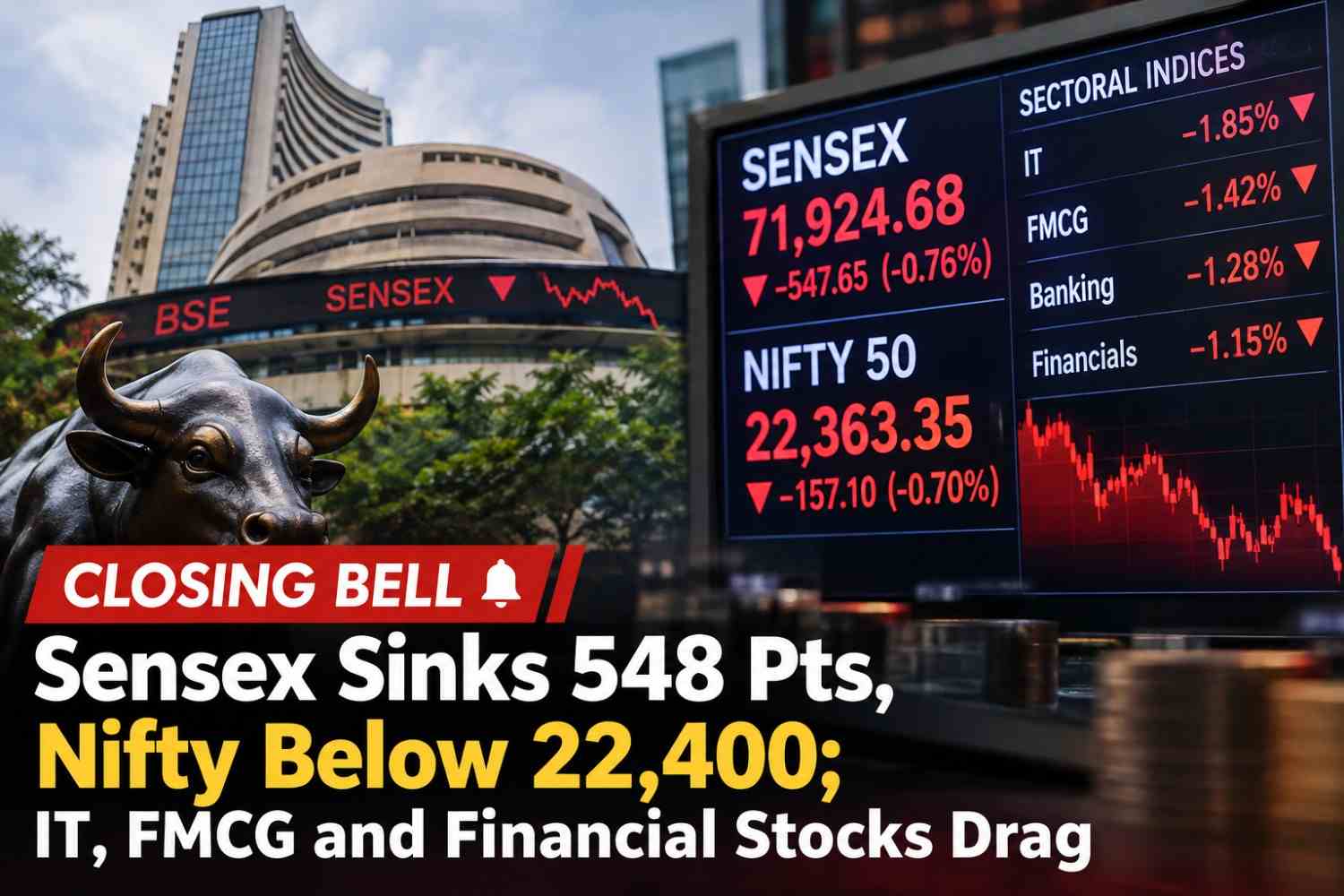
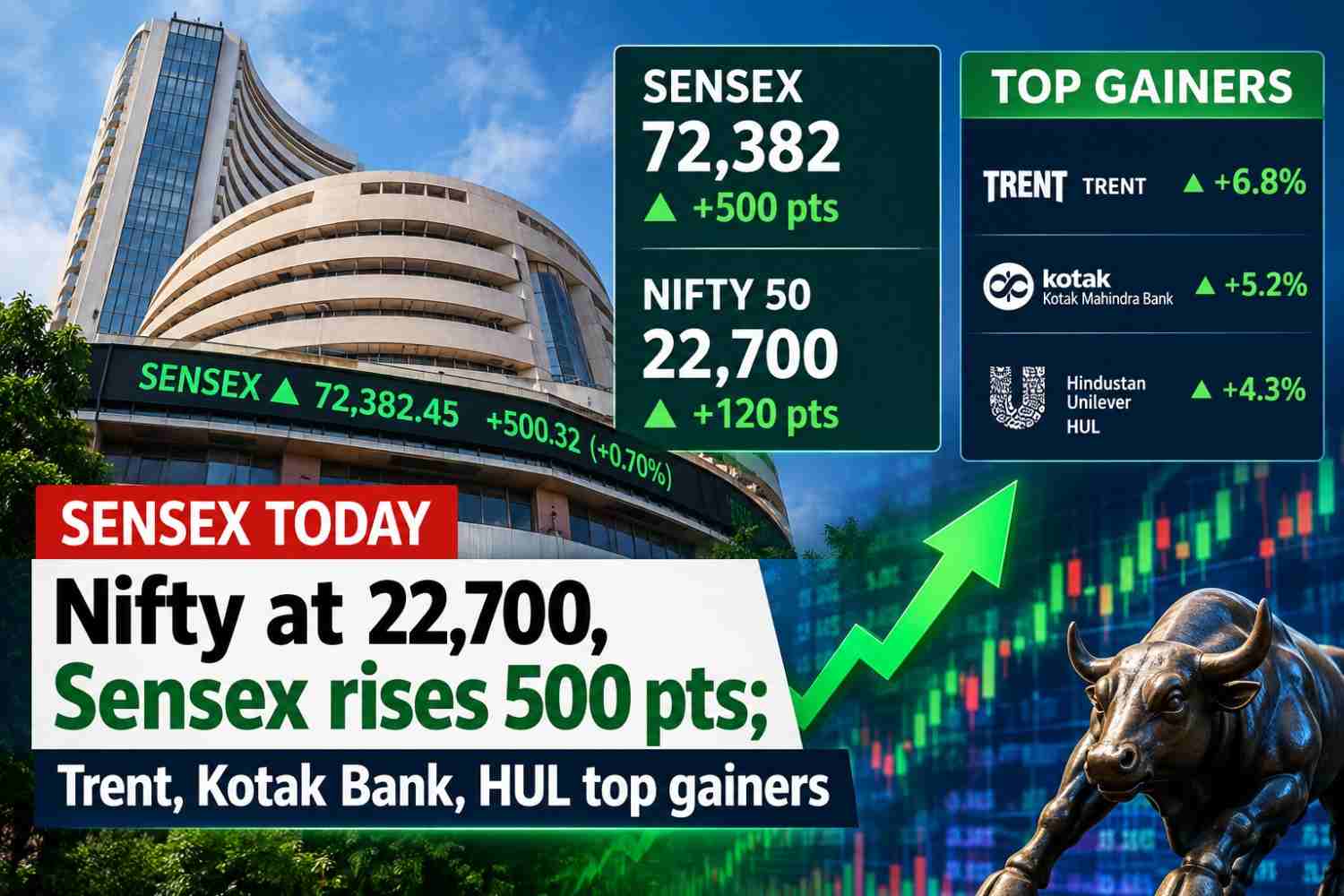
The Indian stock market witnessed a remarkable rally on Thursday, October 15, 2026, as benchmark indices surged, bringing bullish sentiment back to Dalal Street. The BSE Sensex jumped more than 1,500 points, while the Nifty 50 gained over 400 points during afternoon trading, reflecting renewed buying interest across key sectors.
At around 1:45 p.m. IST, the Sensex was trading at approximately 74,301.63, up 1,519.74 points, or 2.09%. Meanwhile, the Nifty 50 stood at 23,047.40, gaining 424.70 points, or 1.88%.
The sharp recovery followed a weaker previous session, as investors returned to equities, particularly technology and banking stocks. The rally also highlighted the resilience of Indian markets amid uncertainty in international financial markets.
1. IT Stocks Lead the Market Rally
Information technology stocks emerged as one of the biggest drivers of Thursday's rally. Investors responded positively to earnings-related developments and improving sentiment surrounding major Indian IT companies.
Shares of Infosys, Tata Consultancy Services (TCS) and HCL Technologies gained around 3% in morning trading, while Tech Mahindra also advanced ahead of its quarterly results.
The Nifty IT index climbed approximately 2.4%, extending its gains over three consecutive trading sessions.
The renewed strength in technology stocks helped lift the broader market, as investors assessed the outlook for corporate earnings and the potential impact of global developments on the IT sector.
2. Banking and Financial Stocks Support the Rally
Banking and financial stocks also contributed to the market's upward momentum. Heavyweight stocks, including HDFC Bank and ICICI Bank, recorded gains, supporting the benchmark indices.
Private banks attracted buying interest as investors looked for opportunities in large-cap companies. The financial sector's performance was particularly important because banking stocks carry significant weight in India's major equity indices.
Gains across technology and financial shares helped strengthen market breadth and supported the recovery in the Sensex and Nifty 50.
3. Falling Crude Oil Prices Offer Relief
A decline in international crude oil prices provided another positive signal for Indian equities.
India imports a substantial portion of its crude oil requirements, making domestic economic conditions sensitive to changes in global energy prices. Lower oil prices can help reduce pressure on the import bill, inflation and operating costs for several businesses.
Brent crude futures fell to around $104 per barrel during morning trading on Thursday, offering some relief to investors concerned about energy costs.
However, crude prices remained elevated, and geopolitical risks continued to pose potential challenges for the Indian economy.
4. Rupee Recovery Boosts Investor Sentiment
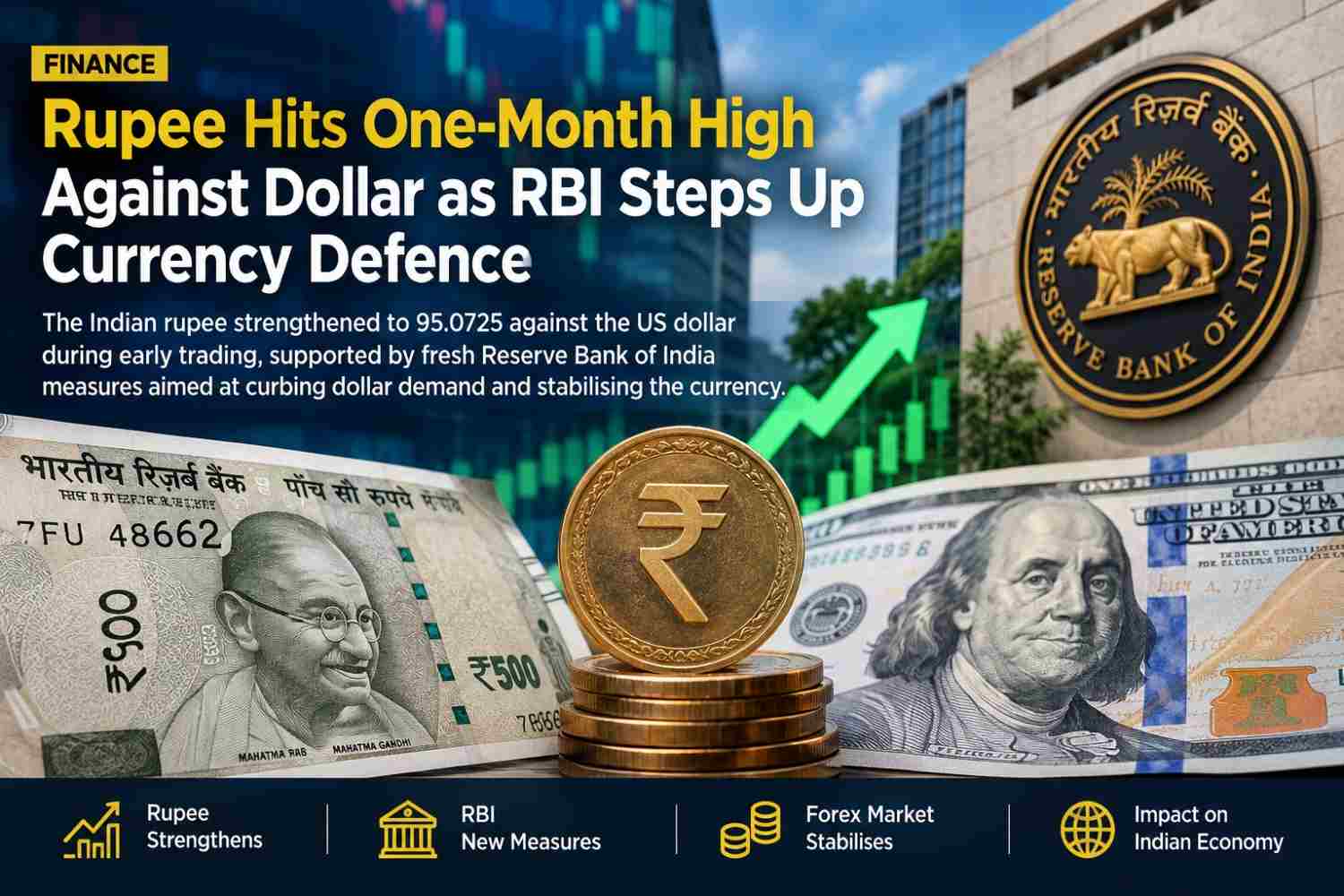
The Indian rupee's recent recovery against the US dollar also helped improve market sentiment.
The rupee strengthened during Thursday's session, supported partly by measures introduced by the Reserve Bank of India to manage currency volatility and reduce pressure on foreign exchange demand.
A stronger rupee can help ease the cost of imports and improve sentiment towards domestic financial markets. Nevertheless, currency movements remain sensitive to global interest rates, capital flows and oil prices.
Investors continued to monitor the currency's performance for clues about the sustainability of the market recovery.
5. Global Uncertainty Remains a Concern
Despite the strong rally in India, international markets faced significant challenges.
Higher-than-expected US inflation data renewed concerns that the US Federal Reserve might keep interest rates elevated or consider further tightening. These concerns weighed on global equities, particularly technology and artificial intelligence-linked stocks.
The weakness in several Asian markets made India's gains particularly notable.
Market participants are also watching foreign institutional investor activity. A change in global investment preferences could influence the flow of foreign capital into Indian equities, although any sustained reversal in these flows remains uncertain.
What Does the Rally Mean for Investors?
Thursday's sharp rise indicates renewed buying interest after recent market weakness. Strong earnings-related optimism, gains in heavyweight stocks and improving domestic sentiment helped push the benchmark indices higher.
However, a single day's rally does not necessarily confirm the beginning of a sustained bull market.
1.Investors will be watching several factors in the coming sessions, including:
2.Quarterly earnings from major Indian companies.
3.Movements in crude oil prices and the rupee.
4.Foreign institutional investor buying and selling.
5.Developments in US inflation and interest-rate expectations.
6.Whether the Sensex and Nifty can sustain their gains.
Market volatility could remain elevated if global economic concerns intensify or corporate earnings disappoint.
The Bottom Line
The Sensex's 1,500-point surge on October 15 has put Indian equities back in the spotlight. Strength in IT and banking stocks, easing oil prices and a recovering rupee helped fuel the rally, even as international markets faced pressure from inflation and interest-rate concerns.
For investors, the key question now is whether this powerful rebound can develop into a sustained recovery or whether markets will experience another bout of volatility.
"The decisions we make today will shape the world for generations to come."