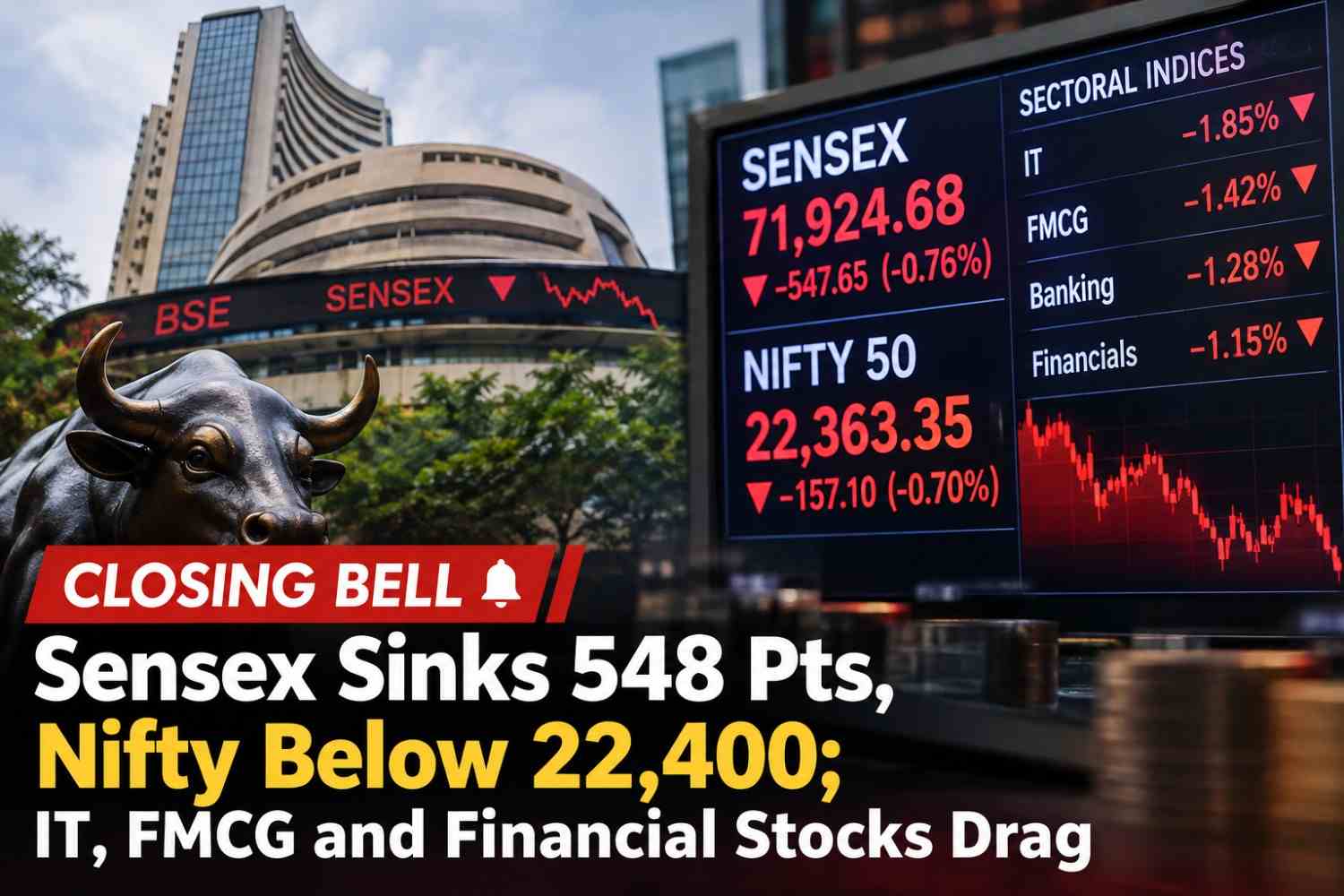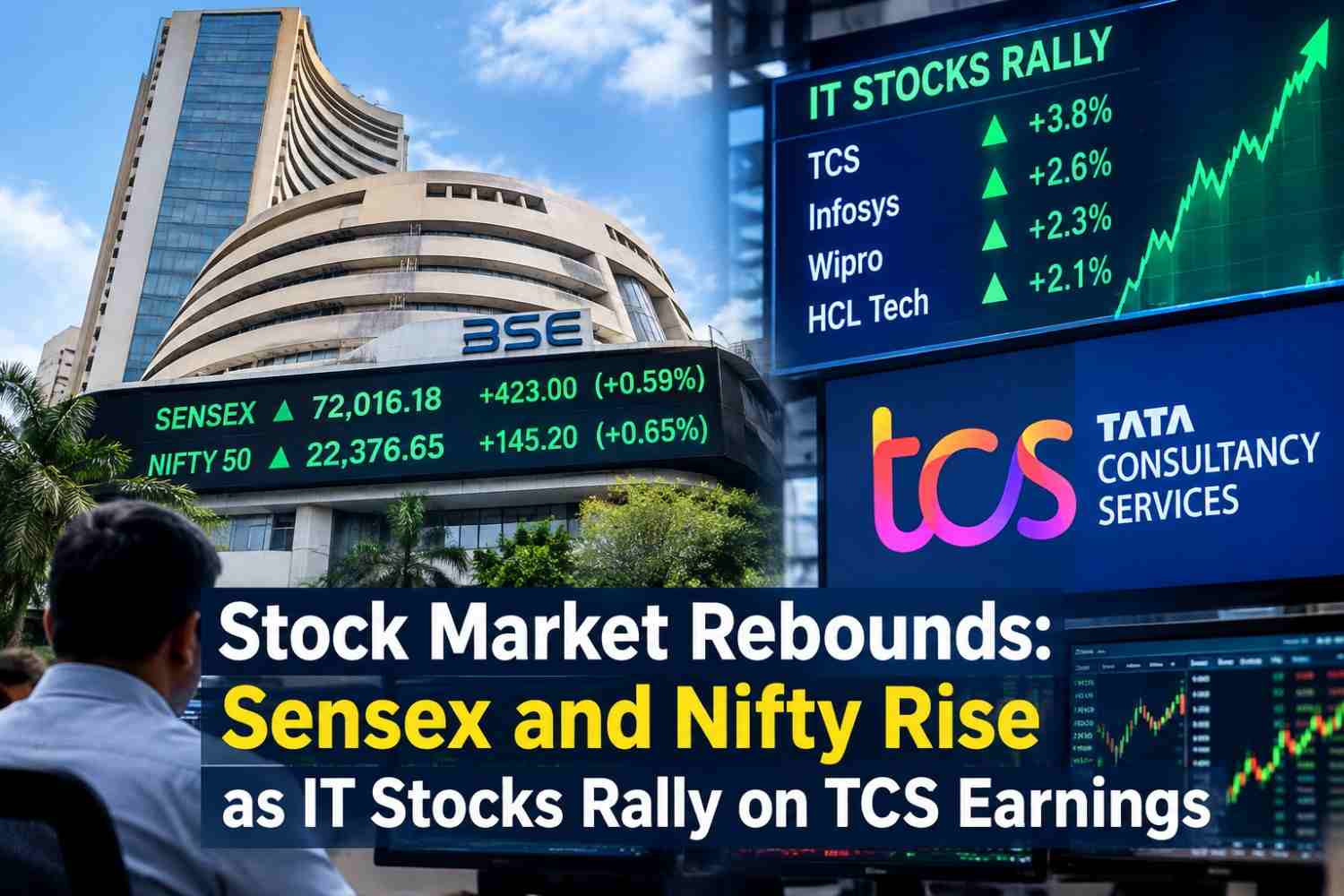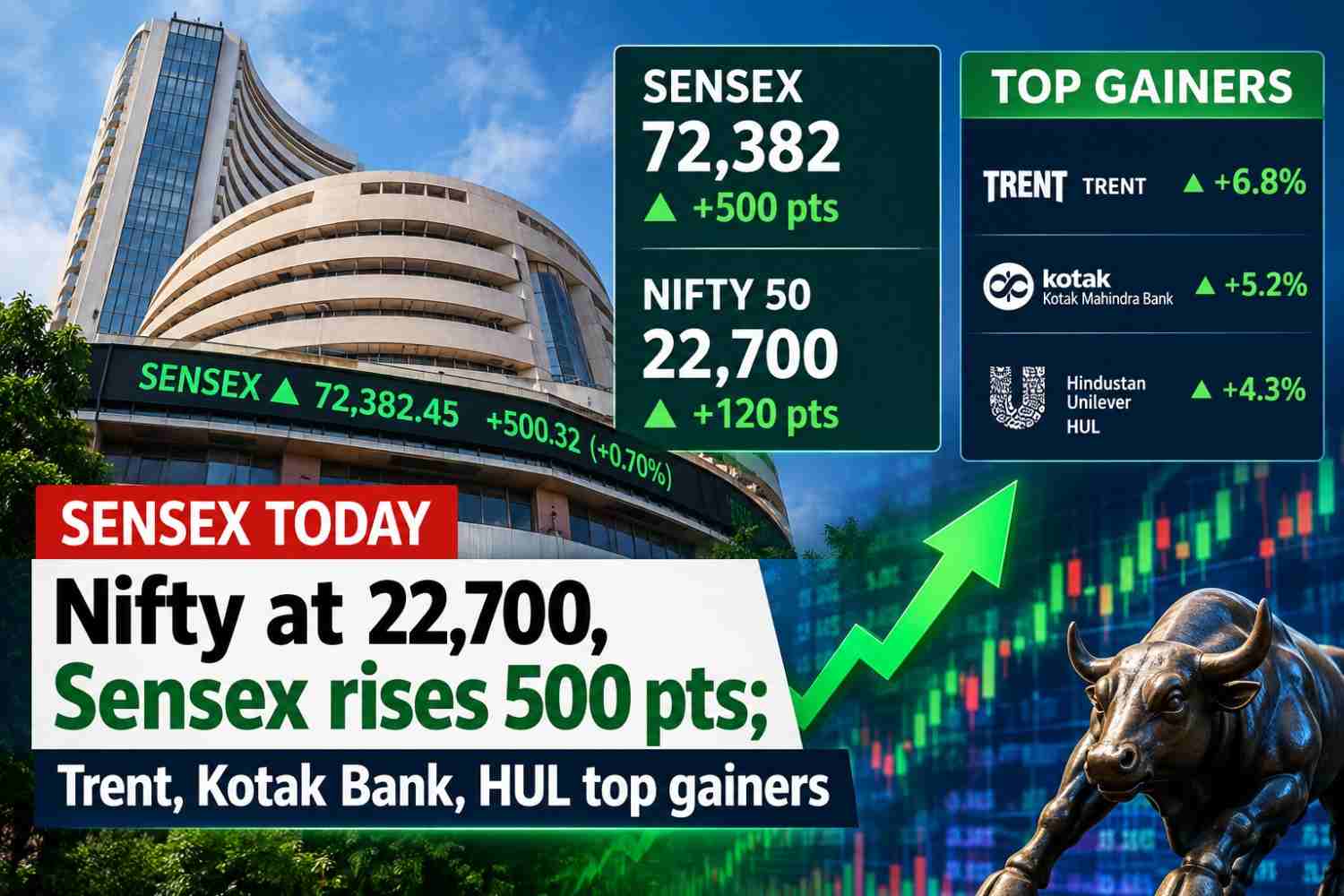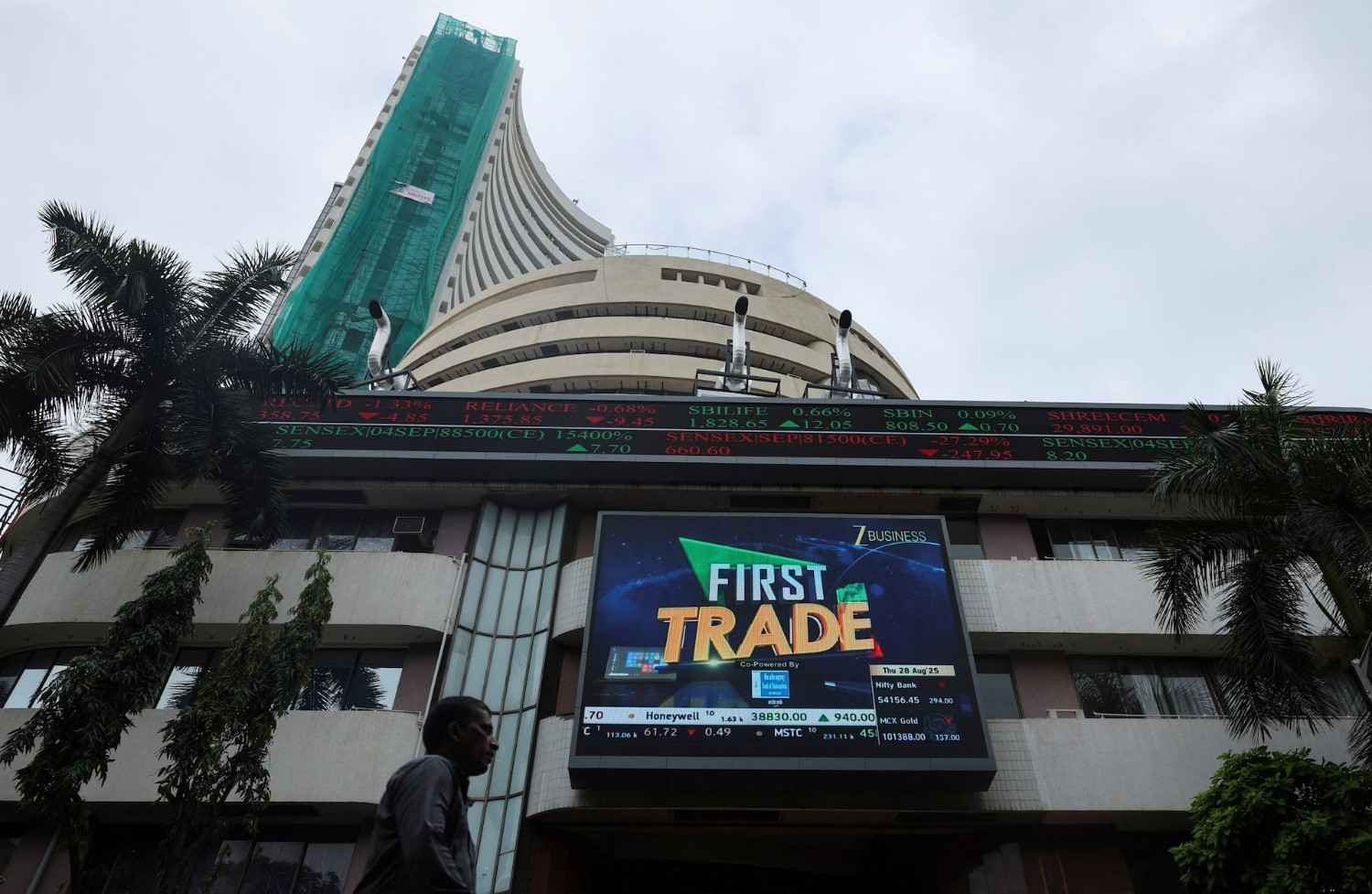
The BSE Sensex stormed higher by roughly 750–840 points in morning trade on 29 July 2026, trading near 77,550–77,610 levels after the previous close of 76,765.92. The Nifty 50 climbed more than 230 points to hover around 24,220. IT heavyweights Infosys, TCS and Tech Mahindra, along with Larsen & Toubro and Hindustan Unilever, led the charge. Broader mid- and small-cap indices also joined the advance. On the surface it looked like another day of resilient Indian markets shrugging off global noise.
That noise, however, was not noise. Fresh escalation in West Asia—US and Saudi strikes on Iran-backed targets, Iranian warnings, and continued friction over the Strait of Hormuz—pushed crude oil higher by nearly 4 percent. MCX crude futures jumped sharply. India imports the bulk of its oil. Every sustained rise in energy prices feeds directly into the cost of transport, food and power for households that already struggle with sticky inflation and uneven wage growth. The market’s ability to ignore this reality is not resilience. It is disconnection.
Official industrial production data released the previous day showed June IIP growth at 7.3 percent, the strongest in nearly two years, with manufacturing and electricity contributing. Domestic institutional investors continued to buy, and foreign institutional investors turned net purchasers of several hundred crore on 28 July after months of heavy selling. These flows, combined with hopes around the US Federal Reserve’s policy decision, provided the immediate fuel for the gap-up opening and subsequent gains.
Yet the celebration rings hollow. For years the same pattern has repeated: equity indices climb on institutional liquidity and selective corporate earnings while the real economy for the majority remains fragile. Job creation has lagged population growth. Rural distress and uneven monsoon outcomes continue to pinch demand. High input costs from imported energy are absorbed by smaller businesses and consumers long before they appear in the glossy quarterly results of Sensex companies. The government’s narrative of India as a bright spot in a turbulent world depends heavily on these index numbers. It spends far less energy addressing why the benefits remain concentrated at the top.
When geopolitical shocks arrive—as they have repeatedly in 2026 through the Iran conflict—the policy response is largely reactive. Strategic petroleum reserves, long-term energy diversification and meaningful reduction in import dependence have moved too slowly. Tax structures and regulatory friction still weigh on manufacturing competitiveness even as capital goods production shows temporary strength. The result is a market that can rally 1 percent on a single strong IIP print and renewed FII interest while the same day oil prices climb and the common household faces higher fuel and food bills.
This is not an accident of global forces. It is the predictable outcome of a system that measures success by Sensex levels and foreign portfolio flows rather than by broad-based employment, real wage growth and insulation from external energy shocks. The same political leadership that claims credit for market highs has failed to build the buffers that would make those highs sustainable for the wider population. When the next oil spike or foreign selling wave arrives, the indices will correct. The people who never participated in the rally will still be paying the higher prices.
The 29 July surge therefore tells two stories. One is the technical story of IT stocks, positive domestic data and institutional support. The other is the structural story of an economy whose flagship indices have become increasingly divorced from the lived experience of most Indians. Celebrating the first while ignoring the second is not journalism. It is public relations for a system that continues to break the nation under the weight of its own priorities.
"The decisions we make today will shape the world for generations to come."