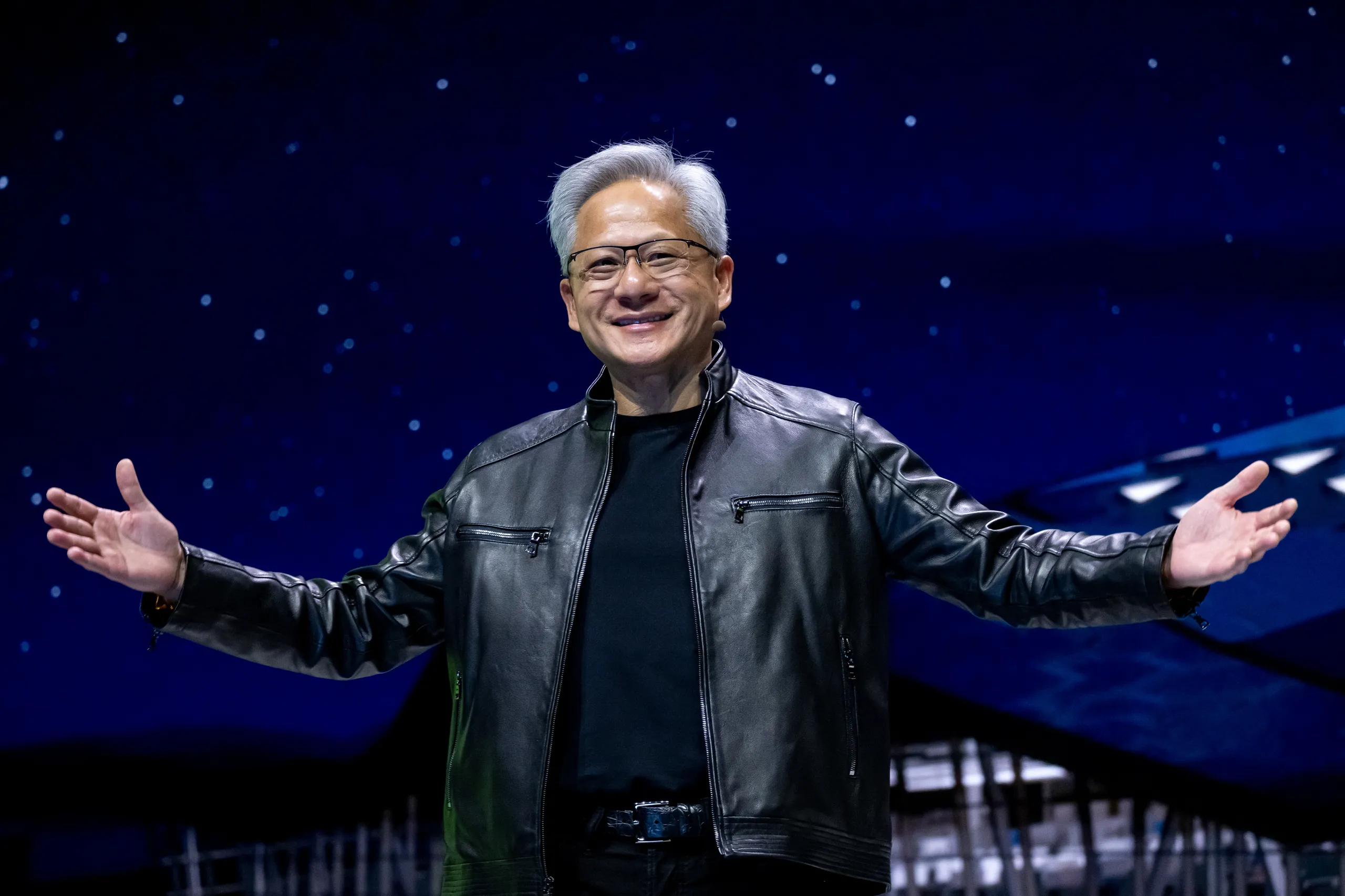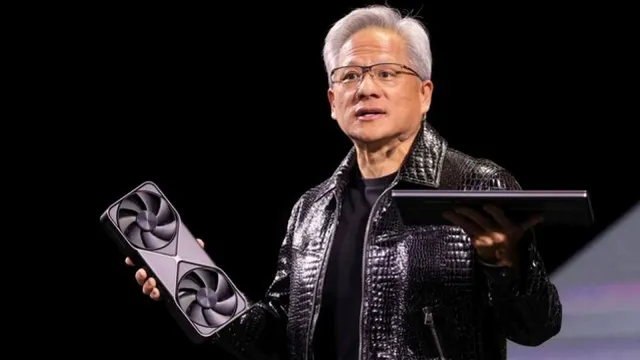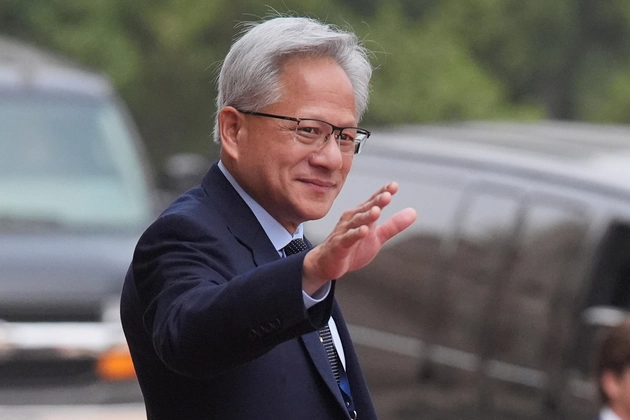
Four days after Nvidia’s board accepted Jensen Huang’s resignation, the company that built the modern AI era is already fracturing under the weight of its own decision. Huang is gone on paper. Colette Kress sits as interim CEO. Yet the founder who turned a graphics-chip outfit into a nearly $4 trillion force is suddenly the centre of the loudest comeback campaign Silicon Valley has seen in years.
A public petition demanding his reinstatement has blown past 160,000 signatures. Thousands of self-identified Nvidia employees have added their names. Elon Musk publicly signed and declared that many of Nvidia’s critical supply-chain deals lived on Huang’s personal handshake, not on paper. Epic Games chief Tim Sweeney, Y Combinator’s Garry Tan, Travis Kalanick and other heavyweights have joined the chorus. Major shareholders Brad Gerstner and Gavin Baker sent the board a letter urging a deliberate process that keeps Huang’s return on the table.
Behind the scenes the picture is even clearer. Multiple people close to Huang told the Financial Times he has discussed the possibility of coming back with confidants. Allies are assembling what one described as a “war room” of technology executives to pressure the board and seek White House support. The message is blunt: the man who created Nvidia’s dominance is still the only person many believe can keep the machine running at full speed.
The board, meanwhile, is moving in the opposite direction. It has begun a formal search for a permanent successor and has already approached Arm CEO Rene Haas. Harvey Jones, newly elevated as the company’s first-ever board chair, and interim CEO Kress have projected calm continuity. Prediction markets currently price a full Huang return in the high single digits to low teens. Some analysts call the idea dead on arrival after the scandals. Others note that founder magic has reversed board decisions before.
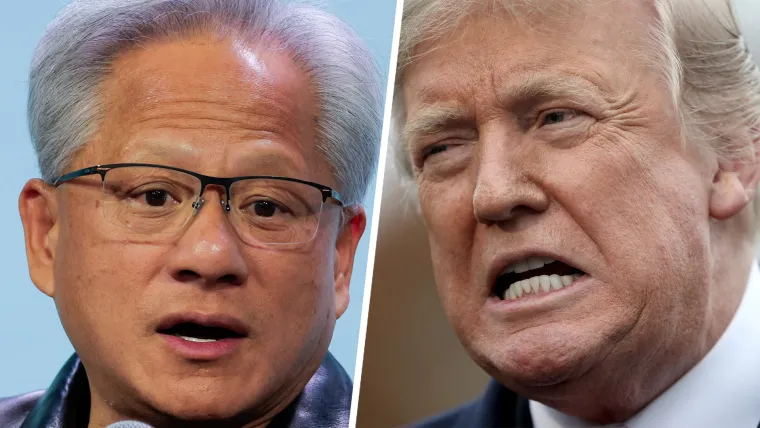
This is not simply a corporate succession fight. It is the direct result of a political process that treated incomplete intelligence as a weapon. The same system that rewrote a cautious CIA assessment into a more aggressive memo, leaked it, and helped push Huang out the door now watches as the company it destabilised bleeds value and talent. Employees and industry leaders are effectively telling Washington that its version of national security theatre has real costs. The founder who delivered America’s lead in AI chips is the one they trust. The political operators who forced the exit are not.
Whether Huang walks back through the doors remains undecided. The board still holds the legal power. The independent investigation is ongoing. Earnings land tomorrow. But the speed and breadth of the pushback reveal something the system prefers to ignore: when political hardliners and intelligence leaks remove the person who actually built the critical technology, the people who make that technology work will fight to put him back.
The next few weeks will show whether Nvidia’s board answers to its employees, its shareholders and the industry it dominates — or to the same Washington forces that manufactured the crisis in the first place.
Disclaimer
This article discusses corporate and market developments for informational purposes only and does not constitute investment advice. Stock prices and leadership outcomes can change rapidly.
Official sources of data
Financial Times reporting on Huang’s discussions with confidants and the “war room” effort; CNBC, Reuters and company statements confirming Colette Kress as interim CEO and the board’s search process; public “Stand with Jensen” petition tallies and statements from Elon Musk and major shareholders; Nvidia’s official November 12 transition announcement.