The Union Budget 2026, presented by Finance Minister Nirmala Sitharaman, will be remembered for its stark dichotomy: a "velvet glove" for the consumer and an "iron fist" for the speculator. On one hand, the government moved to slash tariffs on personal imports from 20% to 10%, a populist masterstroke aimed at easing the cost of living and countering global trade volatility. On the other, it unleashed a fiscal hammer on the derivatives market, hiking the Securities Transaction Tax (STT) on Futures and Options (F&O).
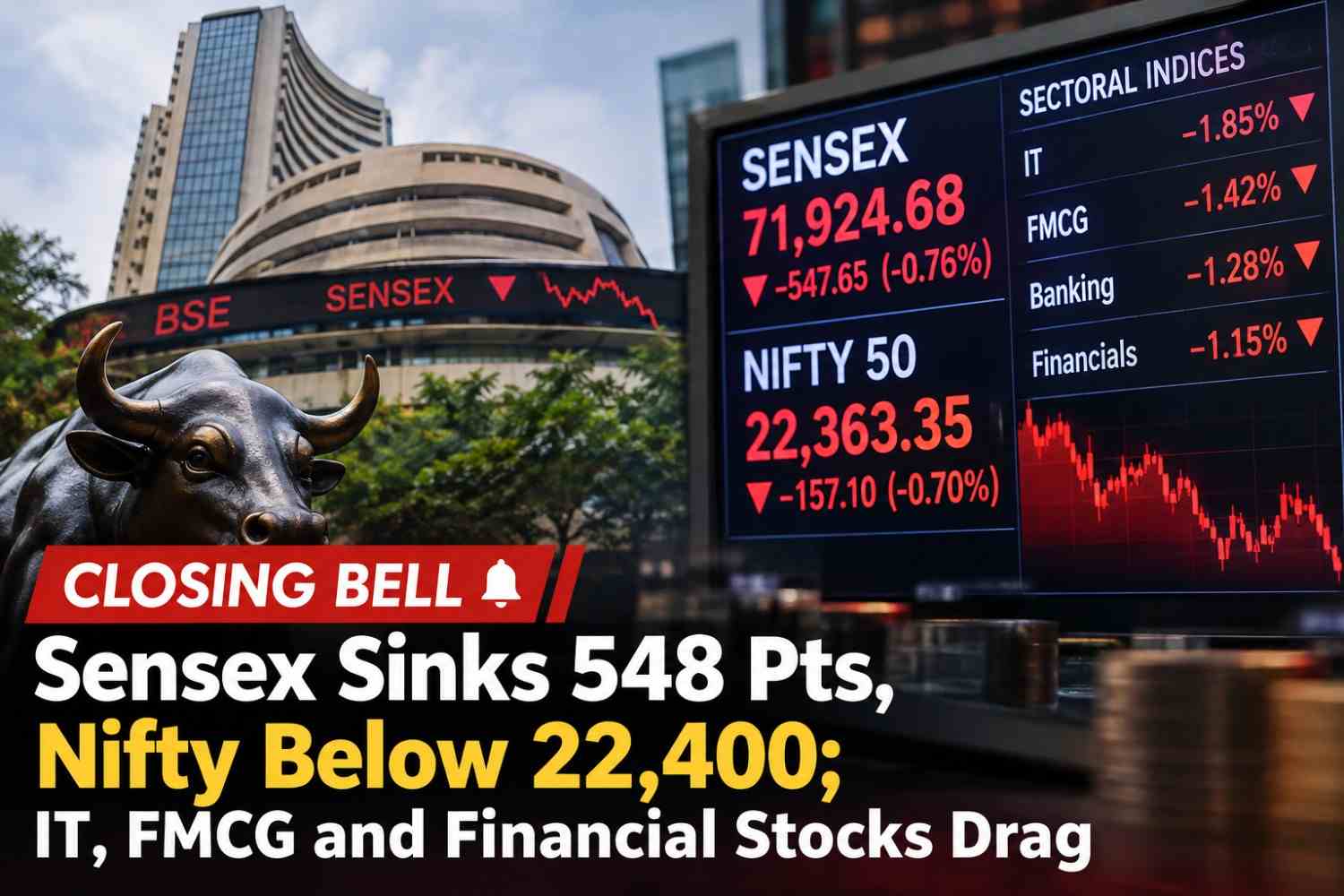
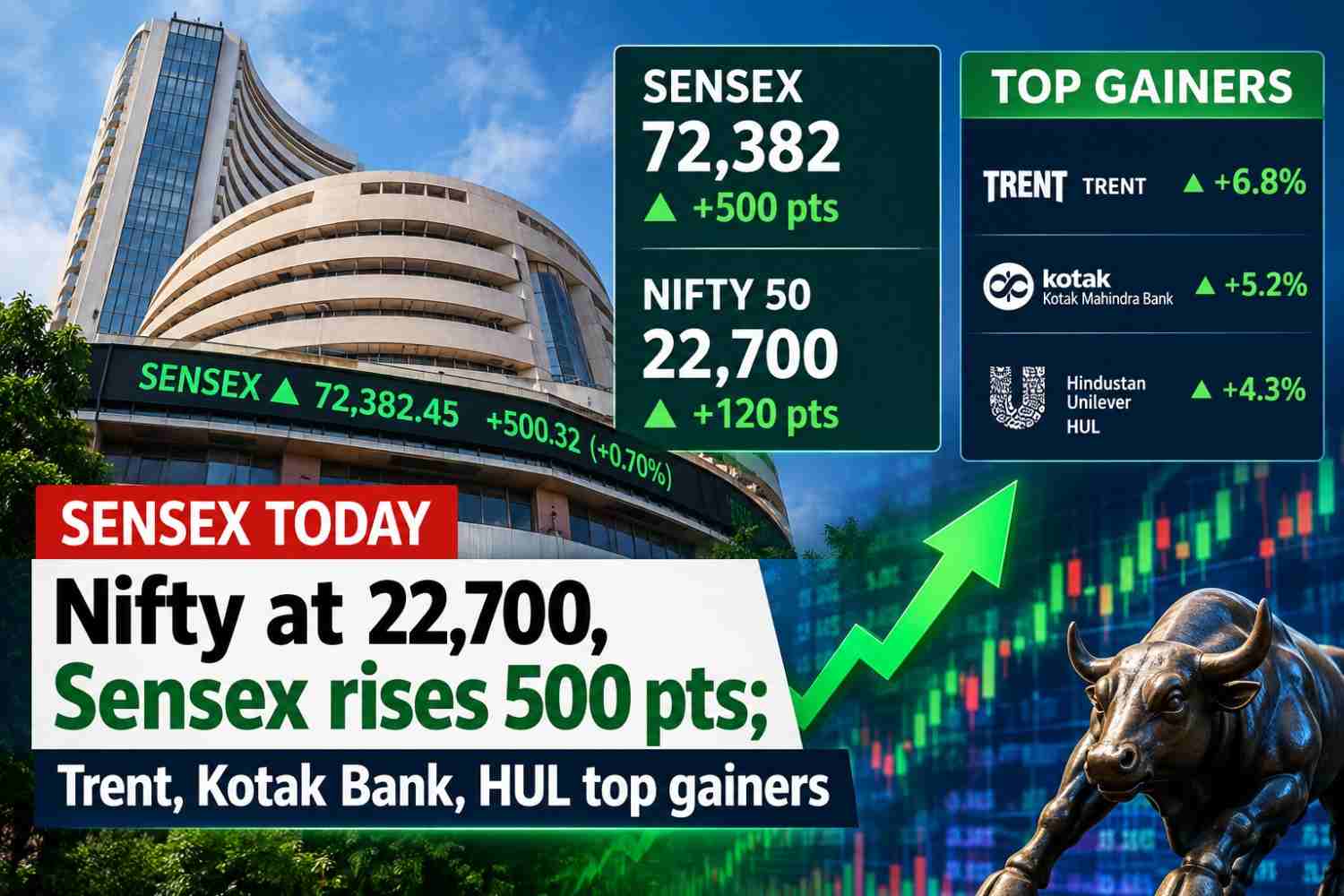
The reaction was instantaneous. While shoppers cheered, Dalal Street bled. On budget day, the Sensex plummeted by approximately 2,300 points in an intraday rout that wiped out trillions in investor wealth. This article explores the mechanics of these two pivotal policy shifts and why a 10% tariff cut couldn't save the market from an STT-induced "bloodbath."
Part I: The Consumer Boon—Halving Personal Import Tariffs
For years, the "dutiable goods" category for personal imports—often covering electronics, luxury gadgets, and high-end consumer goods ordered from abroad—carried a steep 20% basic customs duty. In a significant move to "recalibrate India’s trade posture," the 2026 Budget halved this rate to 10%.
1. Countering the "Trump Effect"
The timing of this reduction is not accidental. With global trade tensions escalating—most notably the 50% tariffs imposed by the US administration on Indian exports like textiles and seafood—India is looking to shore up domestic demand and signal a more open trade environment. By lowering the cost of personal imports, the government is providing a "cushion" to the middle class, whose purchasing power has been squeezed by global inflation.
2. Digital Nomad and Gen-Z Appeal
In an era of global e-commerce, the 20% tariff was often seen as a deterrent for young professionals and tech-savvy consumers importing specialized equipment or lifestyle products. The reduction to 10% is expected to:
* Boost E-commerce Volumes: Lower landed costs will likely increase the frequency of international retail transactions.
* Ease of Living: It aligns with the government’s broader "Ease of Living" theme, which also saw reductions in TCS (Tax Collected at Source) for overseas travel and education.
Part II: The Market Shock—The STT "Hammer" on F&O
While the tariff cuts aimed for a smile, the STT hike felt like a punch to the gut for the financial sector. The government’s decision to hike the Securities Transaction Tax on derivatives was a calculated move to curb what regulators have termed "unchecked speculation."
The New Math of Trading
The hike was not marginal; it was a structural shift designed to make high-frequency and retail speculation significantly more expensive:
Why the 2,300-Point Crash?
The Sensex's 2,300-point slide was driven by three primary factors:
* Higher Break-Even Points: For a day trader or an arbitrageur, the "cost of carry" just tripled for futures. Strategies that rely on thin margins are no longer viable, leading to an immediate exit by institutional proprietary desks.
* The "SEBI Warning" Convergence: The hike follows a series of warnings from SEBI, noting that 91% of retail traders lose money in the F&O segment. The market viewed the STT hike as a coordinated "fiscal crackdown" to force retail investors back into long-term cash equities.
* Collateral Damage to Exchange Stocks: Stocks of exchanges (BSE, MCX) and discount brokerages (Angel One, Groww) saw double-digit percentage drops. Investors fear that higher costs will lead to a permanent thinning of trading volumes, which are the lifeblood of these companies' revenues.
Part III: The Philosophical Divide—Speculation vs. Consumption
The Budget 2026 reflects a clear philosophical shift in the government’s economic management. It is attempting to decouple "financialization" from "economic growth."
By taxing F&O, the government is essentially saying that the "casino-like" atmosphere of the derivatives market needs to be cooled down to protect household savings. Simultaneously, by lowering import tariffs and easing personal tax slabs (with the New Tax Regime now offering zero tax up to ₹12.75 lakh inclusive of standard deduction), the government is redirecting that capital toward consumption.
> "The goal is to move the 'small investor' away from the 1-minute candle of an options chart and toward the long-term wealth creation of the equity market or the immediate utility of consumption." — Market Analyst Insight
A Bitter Pill for a Long-Term Cure?
The 2,300-point drop on budget day was a "valuation adjustment" to a new reality: the era of "cheap" gambling in the Indian markets is over. However, the 10% reduction in personal import tariffs and other middle-class reliefs suggest a government focused on "bottom-up" demand.
While the short-term "bloodbath" on Dalal Street dominated the headlines, the long-term impact may be a more resilient retail sector and a more stable, less volatile stock market. For the average citizen, the ability to import a laptop or a specialized medical device at 10% duty rather than 20% is a tangible victory—even if their trading app portfolio looks a little red today.
"The decisions we make today will shape the world for generations to come."