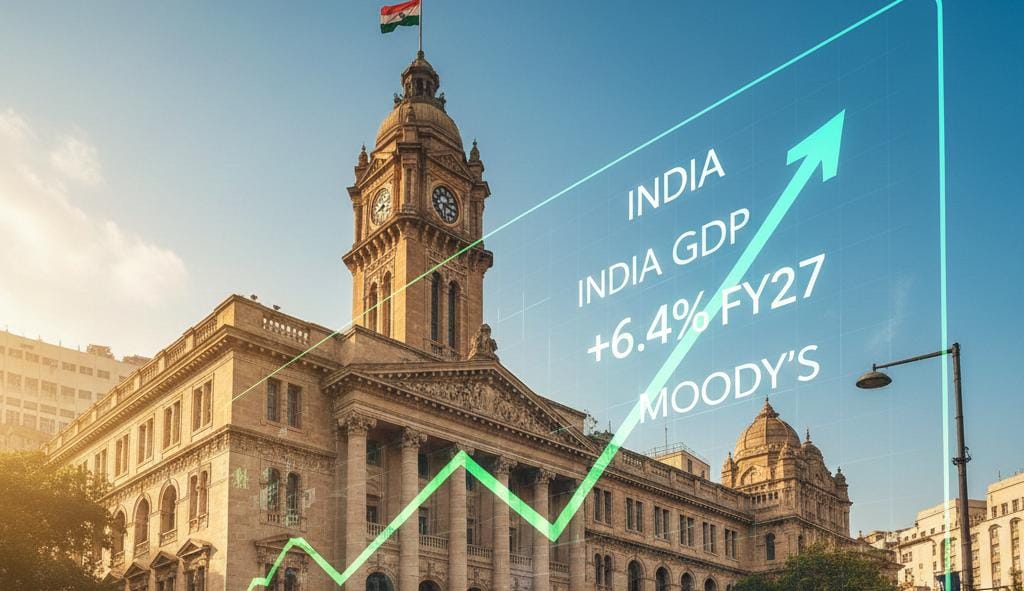
The global economic narrative of the mid-2020s has been one of cautious recovery and shifting alliances. Amidst this backdrop, India has emerged not just as a participant, but as a primary engine of global growth. In its latest credit outlook released in February 2026, Moody’s Ratings projected India’s real GDP to expand by 6.4% in Fiscal Year 2026-27 (FY27). This forecast solidifies India’s position as the fastest-growing economy within the G-20, reflecting a robust domestic ecosystem that appears increasingly insulated from external volatilities.
While this figure is slightly more conservative than the Indian Finance Ministry’s Economic Survey (which estimates a range of 6.8% to 7.2%), it underscores a fundamental consensus: India’s structural reforms are yielding a "high-floor" for economic performance.
The Pillars of Growth: Why 6.4% is Sustainable
Moody’s projection isn't merely a number; it is a reflection of several converging "growth engines" that have matured over the last two years.
1. The Consumption Catalyst
Domestic consumption remains the backbone of the Indian economy. According to Moody's, two significant policy shifts in late 2025 and early 2026 have bolstered household disposable income:
- GST Rationalization: The September 2025 overhaul of the Goods and Services Tax simplified slabs, effectively lowering the tax burden on essential and semi-luxury goods.
- Income Tax Relief: Successive increases in personal income tax thresholds have allowed the burgeoning middle class to retain more capital, fueling demand in the automotive, real estate, and consumer durable sectors.
2. The "India-US" Strategic Trade Advantage
A defining moment for FY27 was the landmark India-US Trade Deal of February 2026. This agreement saw the United States reduce effective tariffs on Indian goods from nearly 35.7% to 16.3%. Economists estimate this move alone could provide a 20-50 basis point boost to the GDP. For sectors like textiles, gems and jewelry, and marine products, this is a "shot in the arm" that restores global competitiveness.
3. Banking Sector: The "Fortress" Balance Sheet
Unlike previous growth cycles where "twin balance sheet" problems (stressed banks and over-leveraged corporates) acted as a drag, the current banking environment is a source of strength.
Asset Quality: System-wide Non-Performing Loans (NPLs) are projected to stay at a historic low of 2% to 2.5%.
Credit Expansion: Loan growth is expected to accelerate to 11%–13% in FY27, perfectly synchronized with deposit growth.
Comparative Economic Outlook: FY26 vs. FY27
To understand the 6.4% projection, it is essential to look at the immediate trajectory. India is currently tracking at an estimated 7.4% growth for FY26, buoyed by a post-inflation recovery and aggressive public capital expenditure.
"India's economic expansion remains among the strongest globally... sustained output growth provides a strong macroeconomic foundation, supporting financial stability and credit demand." — Moody’s Ratings Report, Feb 2026
>
The Role of Monetary Policy and "The Big Reset"
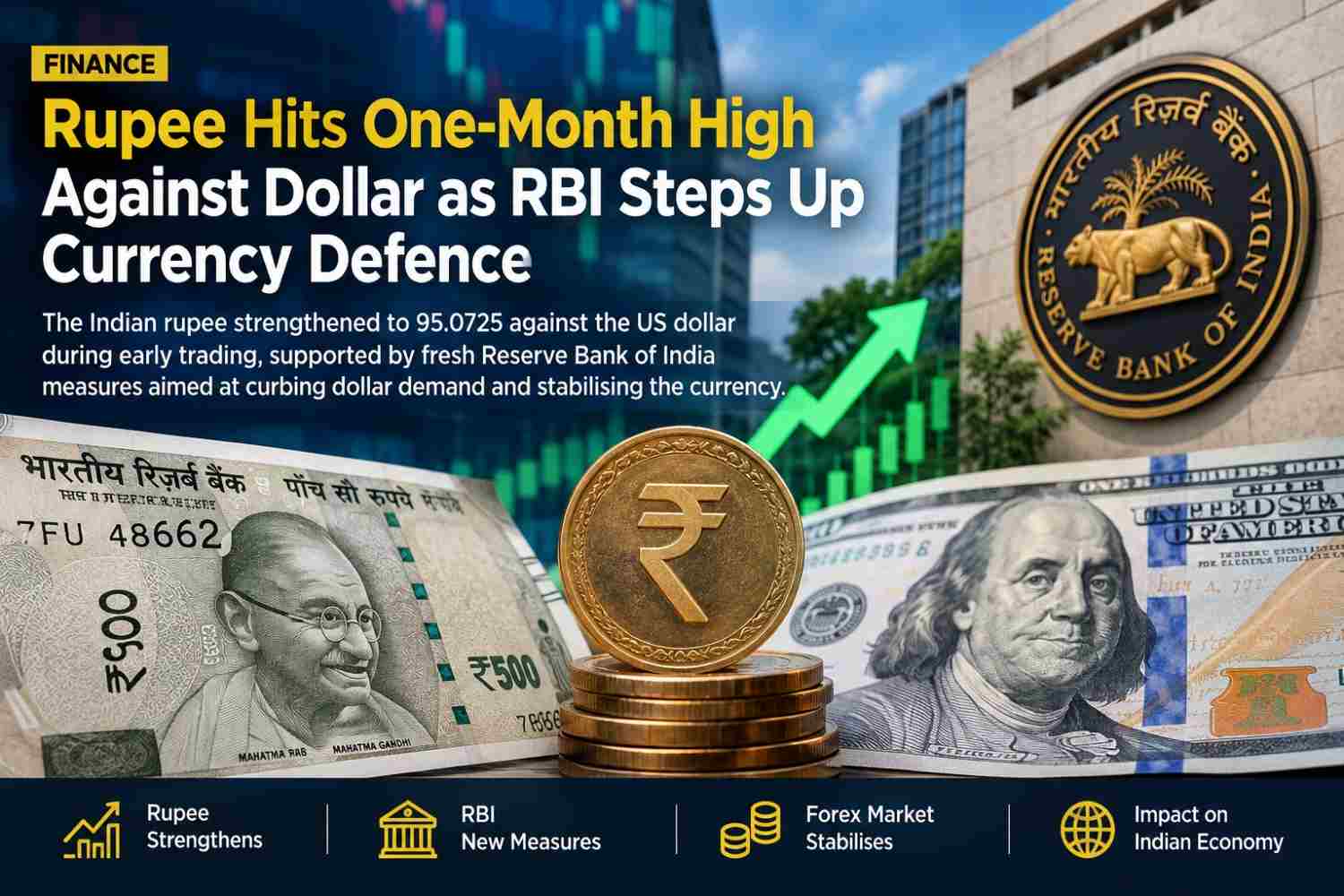
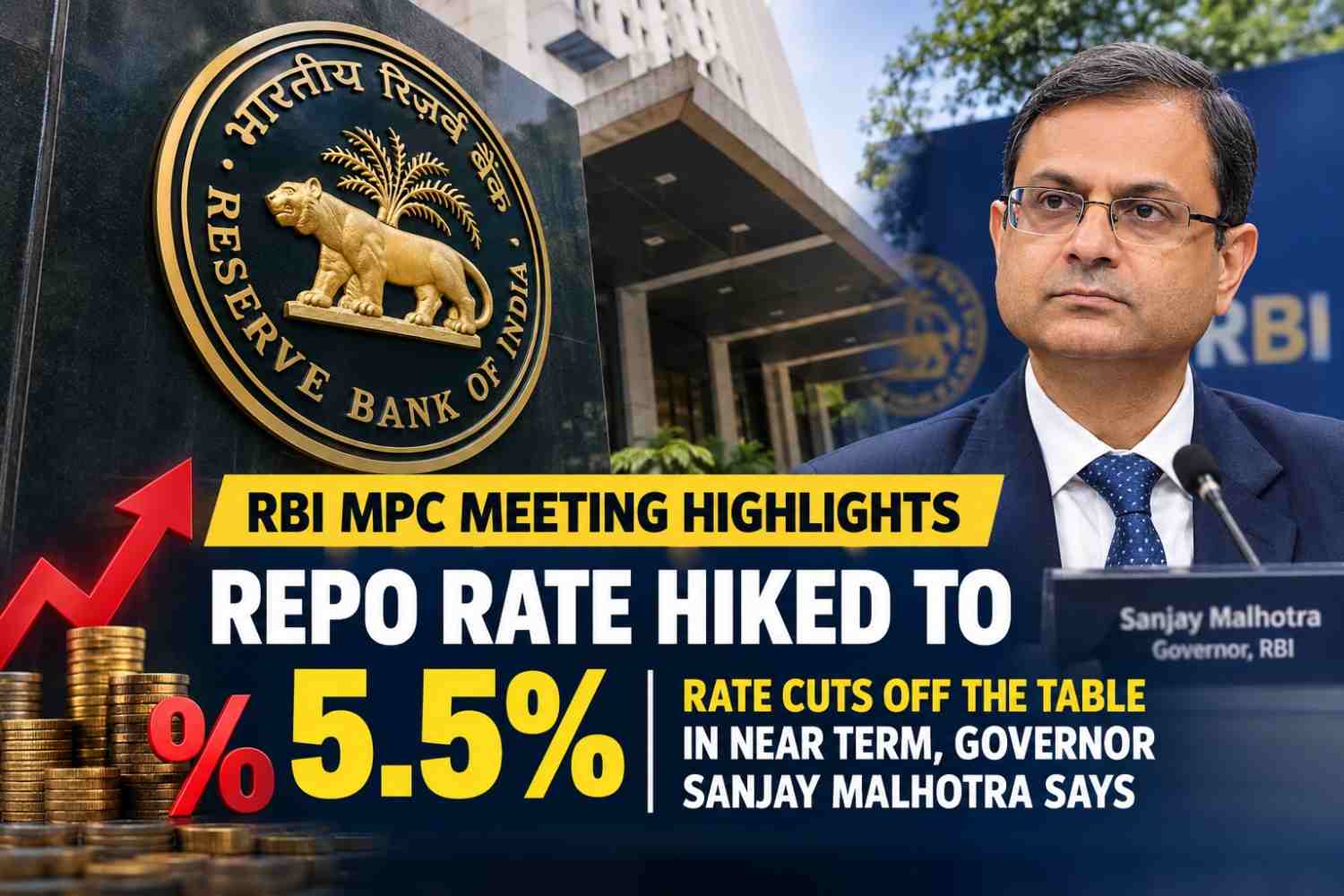
A critical factor in Moody’s 6.4% forecast is the anticipated stance of the Reserve Bank of India (RBI). After a period of aggressive easing in 2025—where the repo rate was brought down to 5.25%—the central bank has shifted to a "neutral" stance.
Moody's suggests that further rate cuts in FY27 are unlikely unless a significant global slowdown occurs. This stability is vital for businesses to plan long-term capital investments. Furthermore, India is currently undergoing a Base Year Revision (moving the GDP base from 2011-12 to 2022-23), which will likely provide a more accurate representation of the modern digital economy, potentially leading to upward adjustments in the final numbers released in late February 2026.
Navigating Potential Headwinds
Despite the optimism, the path to 6.4% is not without hurdles. Moody's and other analysts have flagged three primary areas of concern:
* Deposit Competition: As credit demand rises, banks are finding it increasingly difficult to mobilize low-cost Current Account and Savings Account (CASA) deposits. This could eventually squeeze Net Interest Margins (NIMs).
* Global Energy Prices: While India has negotiated better trade terms with the US, its transition away from discounted Russian oil—a condition of the new trade pact—could expose the economy to Brent crude volatility.
* MSME Vulnerability: While export-oriented small businesses will benefit from lower tariffs, the transition to newer credit frameworks (like IFRS 9) might temporarily tighten credit access for smaller players.
A New Benchmark for the G-20
The projection of 6.4% GDP growth for FY27 is a testament to India's successful transition from a "fragile" emerging market to a "resilient" global leader. By balancing domestic consumption-led growth with strategic international trade deals, India is crafting a unique economic model that prioritizes stability over reckless expansion.
For global investors, the message is clear: India is no longer just a "future" market; it is the definitive "present" of global economic momentum. As the country moves toward its Viksit Bharat 2047 vision, FY27 stands as a pivotal year where structural reforms meet global opportunity.
"The decisions we make today will shape the world for generations to come."