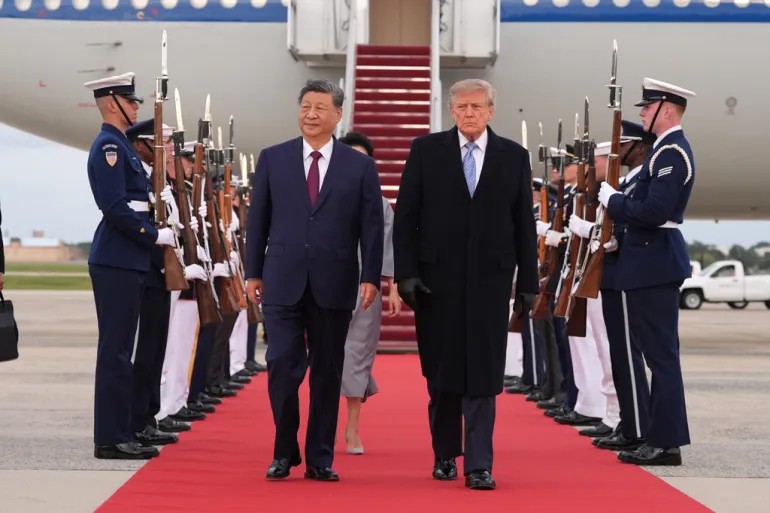
WASHINGTON, September 24, 2026: US President Donald Trump and Chinese President Xi Jinping are meeting in Washington with the main focus expected to be on stabilising relations between the world’s two largest economies, rather than securing a major new agreement.
Experts say the summit comes at a time when Washington and Beijing remain deeply divided over trade, advanced technology and geopolitical issues, but both sides have an interest in preventing tensions from escalating further.
The discussions are expected to cover the fragile US-China trade truce, critical minerals, artificial intelligence, Taiwan and the war involving Iran. Analysts broadly expect the leaders to focus on maintaining dialogue and managing disagreements rather than announcing a sweeping reset in bilateral relations.
Trade Truce at the Centre
Trade is likely to remain one of the most important issues. The two countries have moved away from the extremely high tariffs that marked their earlier trade confrontation, but significant duties and restrictions remain.
According to recent reporting, Washington and Beijing have agreed to extend their existing trade truce until January 10, while negotiations continue over tariffs, fentanyl-related measures and China's controls on critical minerals.
Critical minerals are particularly important for industries including electric vehicles, electronics and defence manufacturing. Washington has pushed for more reliable supplies, while Beijing has used export controls as an important economic tool during periods of tension.
AI and Technology Competition
Artificial intelligence is another major area of disagreement. The US and China are competing for technological leadership while simultaneously discussing mechanisms to reduce the risk of AI-related incidents.
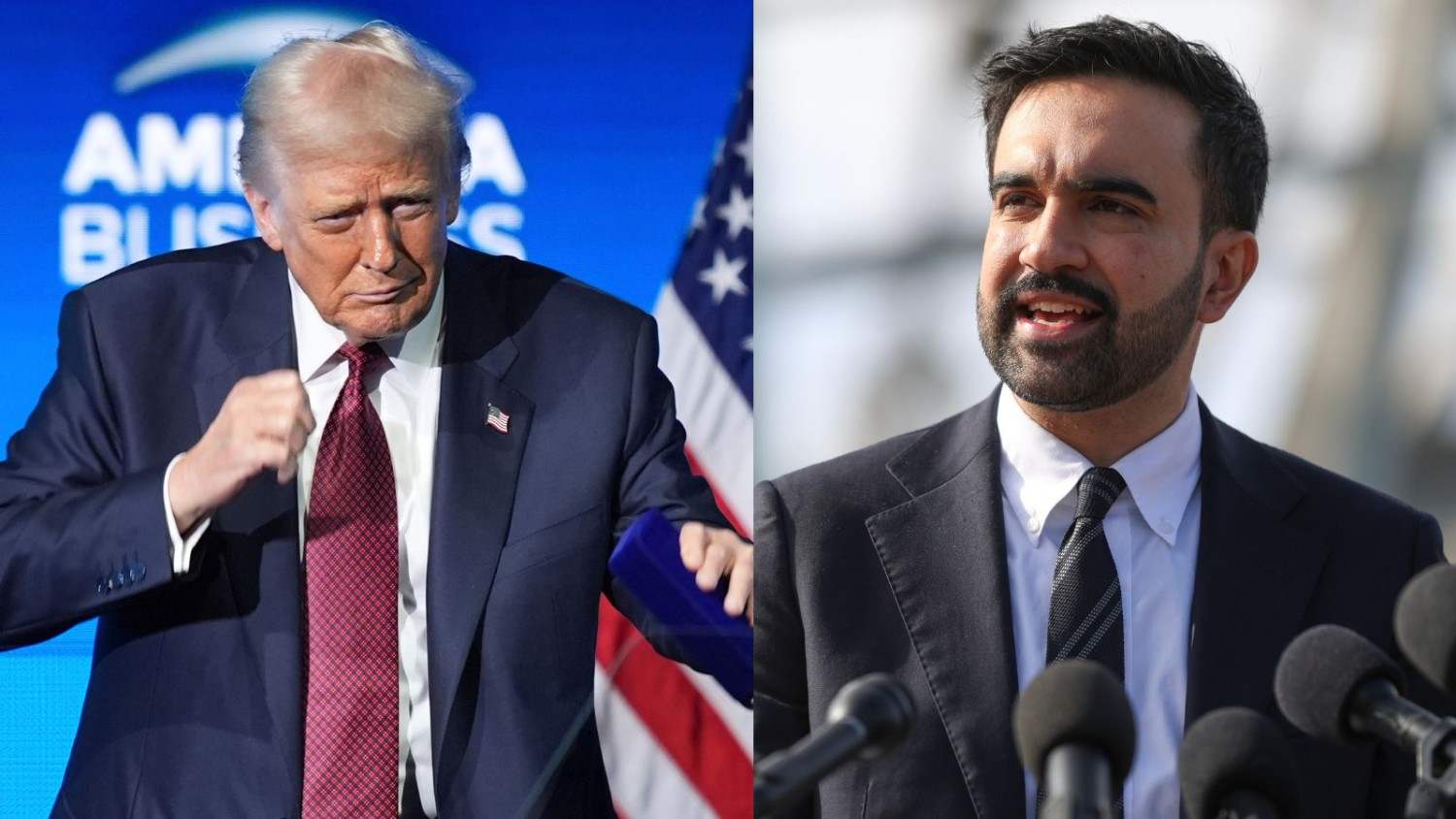
US Treasury Secretary Scott Bessent has proposed greater communication between the two countries over AI incidents that could pose national-security risks. However, experts say deep distrust and restrictions on advanced semiconductor technology could make meaningful cooperation difficult.
Taiwan and Iran Add to the Agenda
Taiwan remains one of the most sensitive issues in the US-China relationship. Beijing considers Taiwan part of China, while Washington maintains longstanding security and political commitments toward the island.
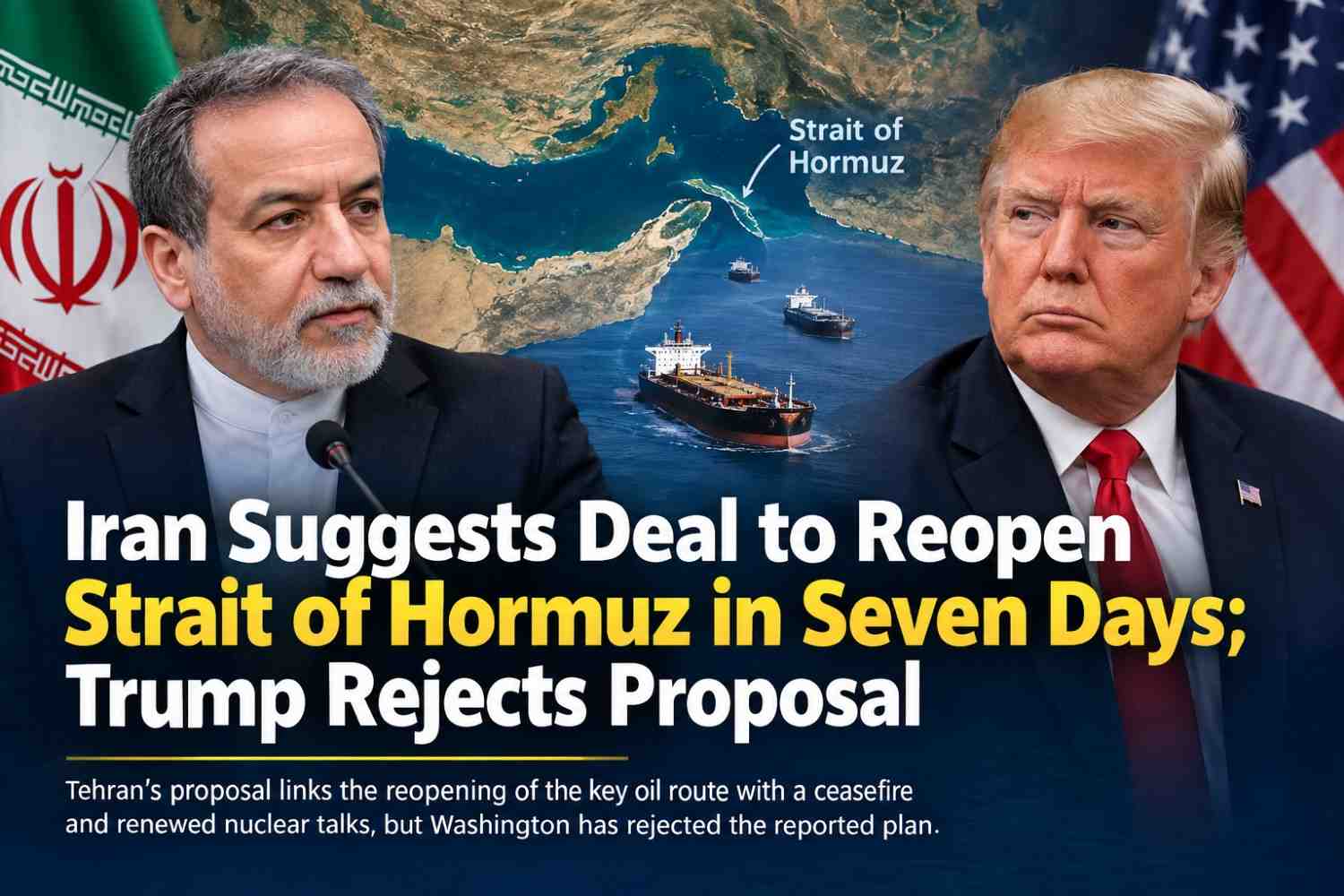
Iran is also expected to feature in the discussions. The Trump administration has sought greater international pressure on Tehran, while China has maintained important economic ties with Iran.
Focus on Stability
Experts quoted by Al Jazeera describe the meeting as primarily a “stabilising summit”, with rebuilding trust and preventing another major escalation seen as more realistic objectives than a comprehensive deal.
The summit is therefore being closely watched not only in Washington and Beijing but also by businesses and governments around the world. Any improvement in US-China relations could affect global trade, technology supply chains, critical-mineral markets and financial conditions.
For now, the key question is whether Trump and Xi can maintain the current period of relative calm while managing the significant disagreements that continue to define the relationship.
"The decisions we make today will shape the world for generations to come."