Why UPI Rules Are Evolving
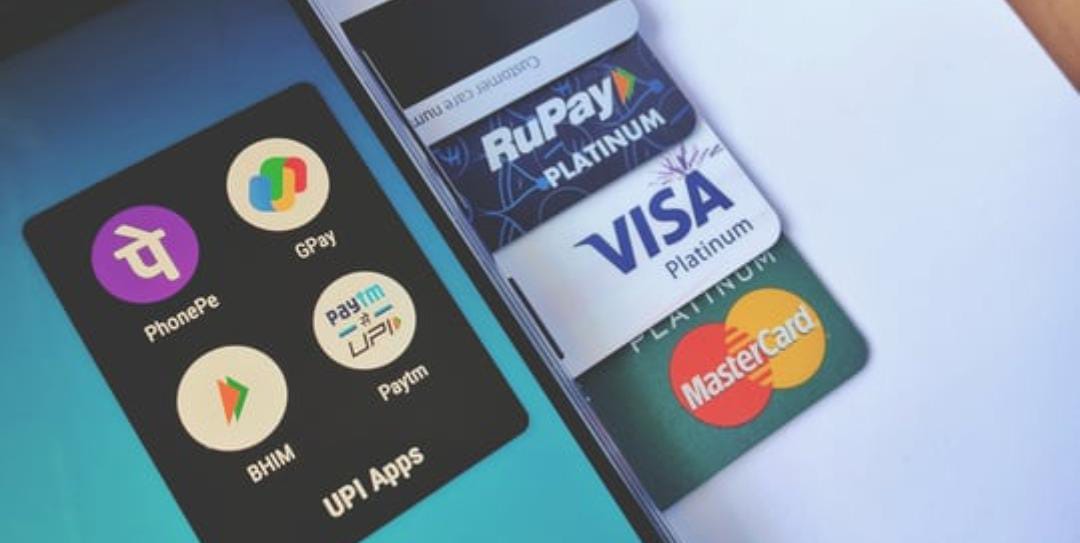
The Unified Payments Interface (UPI) — India’s flagship real-time payments platform — continues to transform how millions transact every day. From paying shopkeepers to settling bills or sending money to friends, UPI has become indispensable in the digital economy.
Now, from 24 February 2026, a set of fresh rules are being rolled out with the aim to strengthen security, reduce fraud, and standardise operations across the ecosystem. These regulatory shifts, framed by the National Payments Corporation of India (NPCI) and backed by the Reserve Bank of India (RBI), have implications for customers as well as fintech platforms such as Google Pay, PhonePe, and Paytm.
Objectives Behind the New UPI Rules
UPI’s rapid growth has brought both opportunity and risk. While transaction volumes and values have consistently hit new records, digital payment fraud has also been on regulators’ radar. The new framework aims to:
- Enhance security and trust in everyday transactions.
- Prevent misuse and fraud through stronger verification and compliance.
- Standardise transaction formats and limits for smoother system operations.
- Ensure fair competition among UPI apps by aligning market share and technology standards.
Key Rule Changes Effective 24 February 2026
Here’s a breakdown of the most critical changes that every UPI user must understand:
1. Stronger User Verification
To curb fraudulent accounts and fake identities, UPI platforms will now enforce enhanced authentication procedures. This could include more stringent KYC verification, periodic re-authentication, and stricter linking of user identities to bank accounts.
What this means for you:
Users may be asked to re-verify mobile numbers, biometrics, or Aadhaar details more frequently when transacting or registering new devices/apps. This reduces instances of unauthorized use.
2. Restriction on Special Characters in Transaction IDs
UPI transaction IDs going forward must be strictly alphanumeric — meaning no special symbols like @, #, or $. This is a technical upgrade to improve integrity and prevent system errors.
Impact:
Older transaction IDs or records with special characters may be rejected if not updated. Users should ensure their UPI apps are updated to the latest versions to avoid disruptions.
3. Daily Limits and High-Value Transfers
The new regime maintains structured transaction caps. Verified high-value categories — such as hospital bills, insurance, or education payments — now enjoy higher daily transaction limits, in some cases up to ₹5 lakh per transaction and ₹10 lakh aggregate per day. However, standard peer-to-peer (P2P) daily limits remain at ₹1 lakh.
User Insight:
This change makes UPI more versatile for larger payments while keeping safeguards for standard transfers. Users should check specific limits with their bank or payment app.
4. New “Cooling-Off” Period
To reduce fraud from freshly created or transferred UPI accounts, users may see restricted transaction limits — usually capped at around ₹5,000 per day — for the first 24 hours after setup or device change.
Why this matters:
This precautionary window helps fintech platforms detect potential misuse or unauthorized account activity early.
5. Balance Check and Auto-Debit Regulations
Routine balance checks via UPI apps are now limited (e.g., 50 per day) to manage backend load and system efficiency. Meanwhile, auto-debit mandates (such as subscriptions) will be processed during off-peak hours to reduce congestion.
User Takeaway:
If you rely heavily on checking balances or recurring payments, expect slight changes in frequency and timing.
How Major UPI Apps Are Affected
The ripple effects of these rules extend beyond users to the big players in India’s UPI ecosystem:
Google Pay (GPay)
Enhanced verification may improve user trust but could require additional onboarding steps for reluctant users.
Compliance with balance check limits and auto-debit window regulations could shift user behavior during peak hours.
PhonePe
PhonePe, which handles a vast number of P2P and P2M transactions, will need to adjust features like scheduled payments and notifications.
Its competitive edge might depend on how smoothly it adapts to the cooling-off and limit rules.
Paytm
Paytm’s deep integration with wallets and commerce makes it sensitive to transaction format changes and high-value segment rules.
Paytm may leverage new high-value limits for merchants and premium users.
All major apps must comply with the market share regulations, operating standards, and security protocols set by NPCI — or risk penalties.
Benefits for Users and the Digital Ecosystem
Despite some operational changes, the updated UPI rules are expected to offer several long-term advantages:
✅ Enhanced Security: Stronger authentication and anti-fraud measures protect users against unauthorized transactions.
✅ Higher Trust: Clear transaction formats and limits make UPI more reliable for large and small payments alike.
✅ More Efficient Network: Load control through balance check limits and timing rules will reduce system delays during peak hours.
However, not all changes are seamless. Some users may experience:
⚠️ Adjustment Curves: Limits on balance checks and initial transaction caps may feel restrictive initially.
⚠️ Verification Friction: Additional authentication steps can seem cumbersome, especially for less tech-savvy users.
⚠️ App Behavior Changes: Legacy features in apps might be deprecated or modified, requiring users to adapt.
A New Phase in UPI Evolution
The rules effective from 24 February 2026 signal a new phase for India’s Unified Payments Interface — one that balances growth with governance, convenience with security, and innovation with standardisation.
For users, staying informed and updating UPI apps regularly will ensure smoother transactions. For businesses and fintech players, the changes invite continuous compliance and customer-centric adaptation.
Overall, these reforms aim not just to protect the integrity of digital payments, but also to future-proof one of the world’s most successful payment innovations.
"The decisions we make today will shape the world for generations to come."