The Union Budget 2026-27, presented today by Finance Minister Nirmala Sitharaman, marks a pivotal moment in India’s journey toward becoming a $5 trillion economy. Far from being a traditional "populist" pre-election budget, this year’s fiscal policy focuses on two distinct pillars: Aggressive Modernization and Tax Rationalization.
1. The Great Tax Reset: Relief for the Salaried Class
In a move that caught many by surprise, the government has introduced the Income Tax Act of 2026. This isn't just a minor tweak; it is a fundamental redesign aimed at simplicity.
The headline-grabbing update is the expansion of the tax-free bracket. Under the New Tax Regime, individuals earning up to ₹12 lakh will now pay zero tax (effectively ₹12.75 lakh including the hiked Standard Deduction). This shift is designed to put more disposable income into the hands of the urban middle class, thereby driving domestic consumption.
2. High-Octane Infrastructure: Beyond Roads and Rails
While the Capex (Capital Expenditure) outlay has been increased to a staggering ₹12.2 lakh crore, the focus has shifted toward "Multimodal Synergy."
The Rare Earth Corridor: The budget identifies four coastal states for specialized mining and processing hubs for rare earth elements—a move to end dependence on imports for high-tech manufacturing.
The East-West Freight Expressway: A massive allocation for the Dankuni-Surat corridor aims to cut logistics costs by 15%, making Indian exports globally competitive.
3. The Digital and Tech Frontier: Semiconductor 2.0
The budget reinforces India’s ambition to be a global tech factory. The launch of Semiconductor Mission 2.0 signals a transition from assembly to "deep-tech" design. By allocating ₹40,000 crore for electronic component manufacturing, the government is incentivizing the creation of an entire ecosystem rather than just individual factories.
4. Market Reality Check: The Cost of Speculation
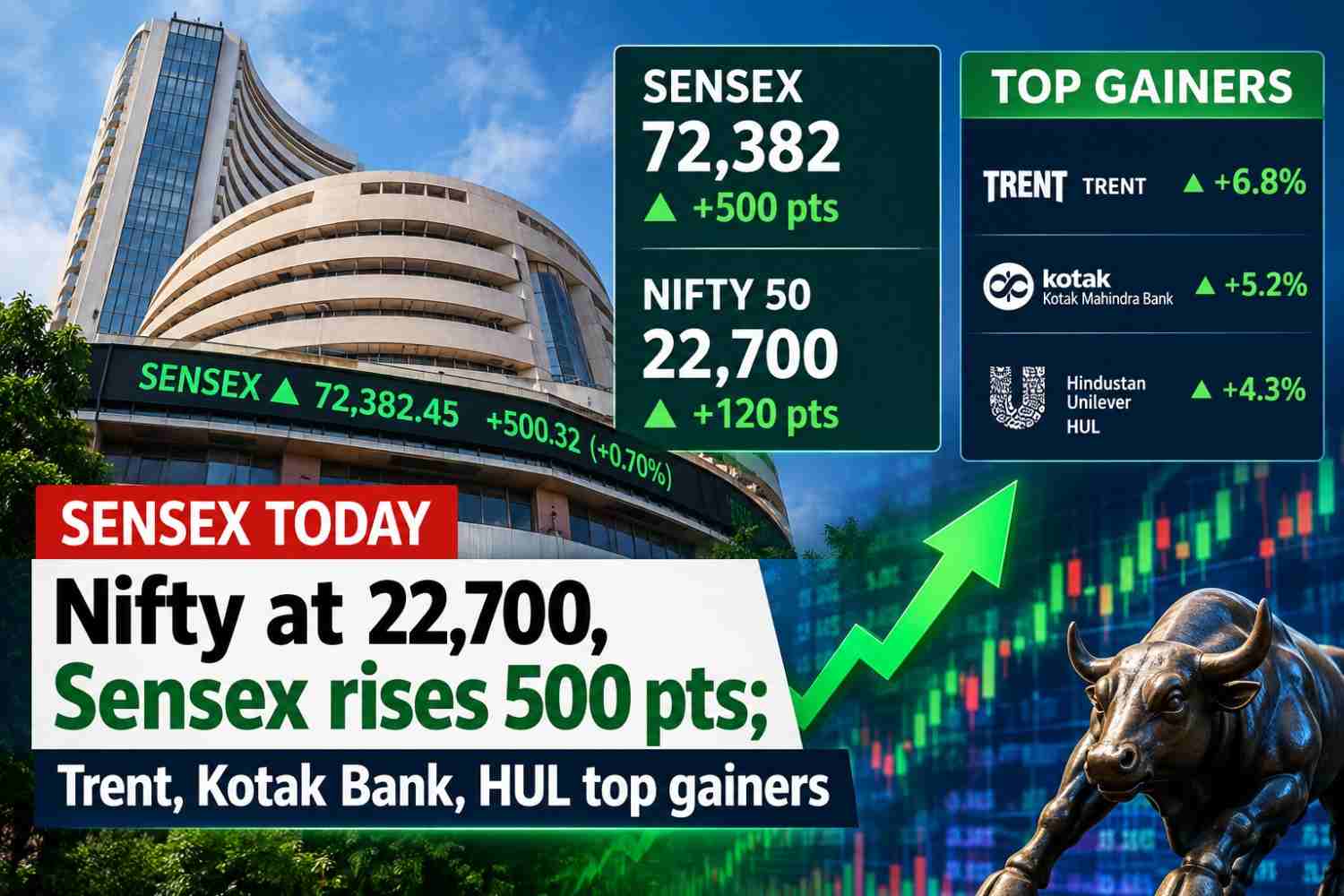
To stabilize the volatile retail trading market, the government has signaled a "disciplined approach" to derivatives. The hike in Securities Transaction Tax (STT) on F&O (Futures & Options) to 0.05% and 0.15% respectively is a clear nudge for retail investors to move toward long-term equity and mutual fund investments rather than high-risk intraday speculation.
5. Healthcare: The "Pharma-Cure" Initiative
Healthcare has transitioned from "access" to "affordability." By removing customs duties on 17 life-saving cancer drugs, the government has addressed one of the biggest financial burdens on Indian families. Furthermore, the Biopharma SHAKTI fund aims to position India as a pioneer in biologics, moving beyond generic medicines.
Key Sectoral Allocations at a Glance
| Sector | Allocation (Approx) | Focus area |
| Infrastructure | ₹12.2 Lakh Cr | High -speed corridors &rare earth mining |
| Elect onic | ₹40,000 Cr | Component manufacturing &ISM 2.0 |
| Education | ₹1.25 Lakh Cr | AVGC Labs & medical seat expansion |
| Green energy | ₹25,000 Cr | Green hydrogen &EV battery R&D |
"The decisions we make today will shape the world for generations to come."