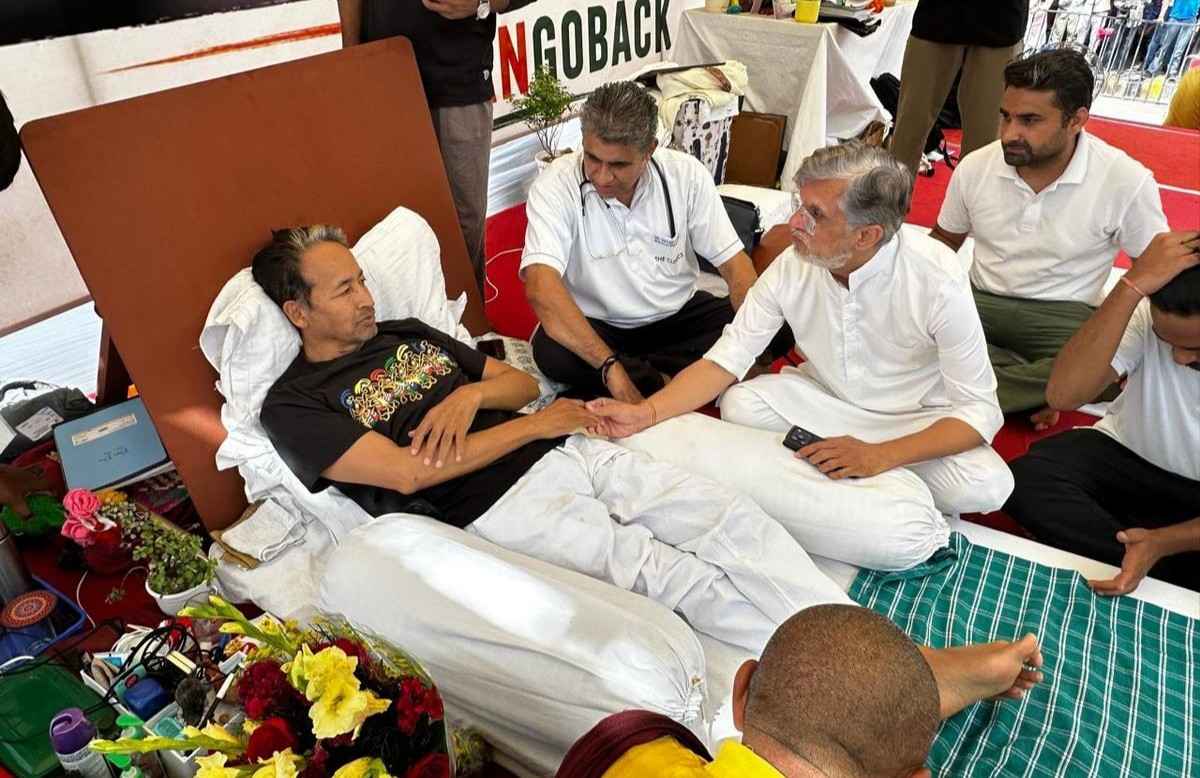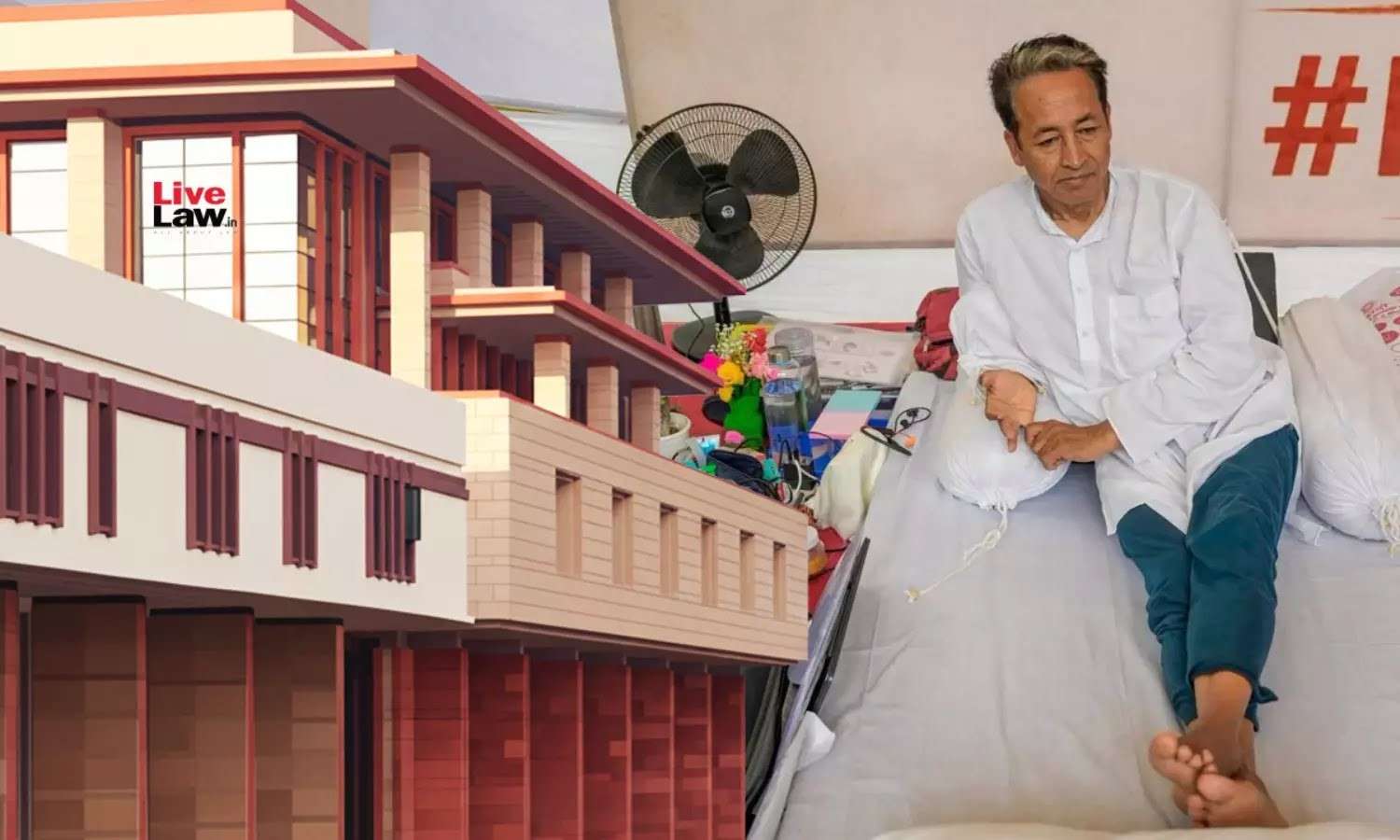
In the heart of Delhi's historic protest ground, a story of quiet resolve turned into national urgency. On July 18, 2026, climate activist and educator Sonam Wangchuk was shifted to Safdarjung Hospital by Delhi Police after more than 20 days without food. This wasn't a sudden collapse but the culmination of a deliberate stand that began on June 28, intertwined with broader frustrations over India's education system and the unfinished promises to Ladakh's people.
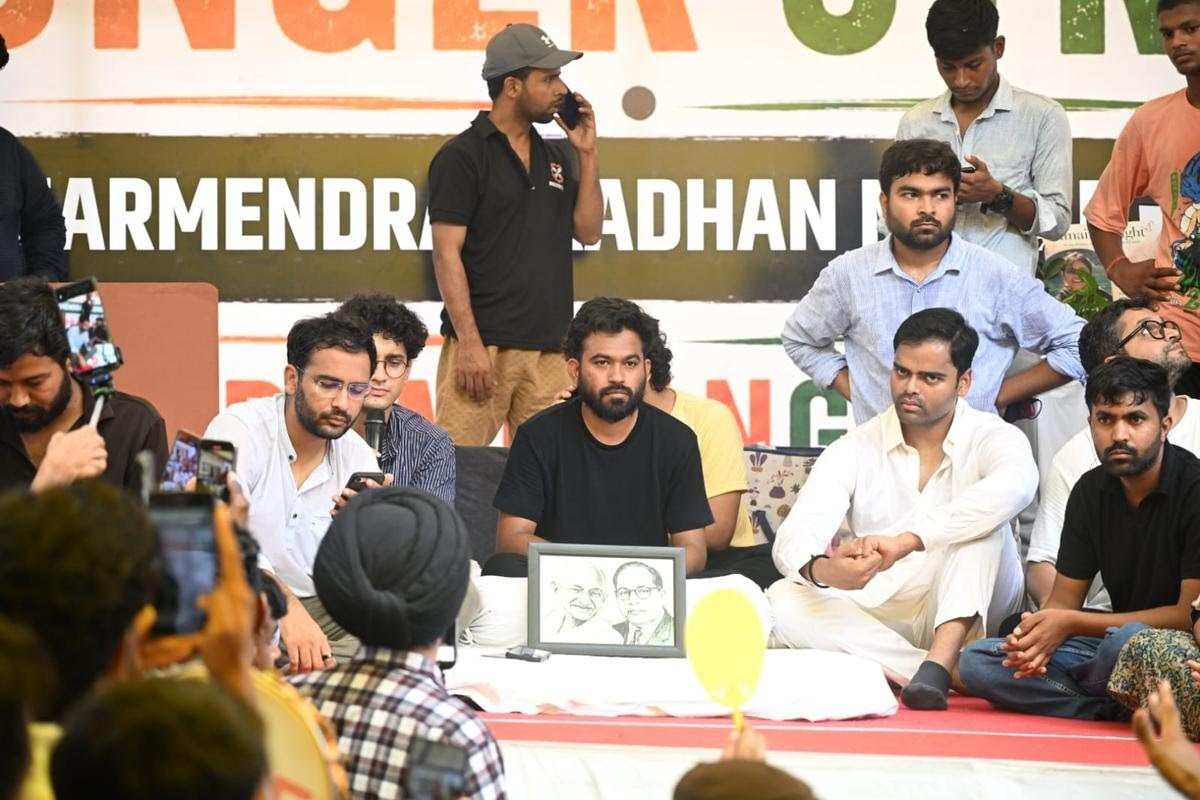
Wangchuk, known for his innovative work in education and fierce advocacy for Himalayan ecology, joined the Cockroach Janta Party (CJP) protest at Jantar Mantar. The CJP movement, sparked around June 20, focused on demanding accountability for repeated examination irregularities, especially in NEET, and called for the resignation of Union Education Minister Dharmendra Pradhan. Students and families have been devastated by paper leaks and systemic failures that undermine merit and futures. Wangchuk's involvement amplified these concerns while linking them to Ladakh's long-pending demands for constitutional safeguards under the Sixth Schedule, greater autonomy, and protection of its fragile environment.
His fast was no impulsive act. Wangchuk had signaled it would last "six weeks or death" if needed, drawing from past protests where shorter fasts highlighted issues but yielded limited results. Supporters watched his weight drop dramatically—over 8 kg at points—with blood pressure and sugar levels falling critically. Doctors monitored closely, and the Delhi High Court had urged intervention as health risks mounted. Police emphasized the move followed medical advice and court directions, denying any force beyond necessary action, while protesters alleged heavy-handedness.
Moments after Wangchuk's hospitalization, CJP founder Abhijeet Dipke began his own indefinite hunger strike, refusing to let the momentum fade. This handoff underscores the protest's roots in collective anguish rather than one individual's spotlight. Young students, activists, and even figures like Arundhati Roy and Naseeruddin Shah have voiced concern and solidarity, urging dialogue while highlighting the human cost. The planned march to Parliament on July 20 during the Monsoon Session looms as a potential flashpoint.
At its core, this episode reveals deeper tensions. India's competitive exams are gateways to opportunity, yet vulnerabilities to leaks and corruption erode public trust, pushing desperate youth toward extremes. For Ladakh, strategic border significance meets environmental fragility; unaddressed calls for statehood and protections risk alienating communities vital to national security and climate resilience. Wangchuk's approach—peaceful, principled fasting inspired by Gandhian traditions—tests whether governance responds to moral pressure or defaults to administrative measures.
The events at Jantar Mantar are not isolated. They reflect a pattern where persistent issues in education equity and regional aspirations meet institutional inertia. Protesters argue that reactive talks after health crises miss the point; proactive engagement could prevent such sacrifices. As Wangchuk stabilizes in hospital—conscious with stable vitals—the question lingers: will this spark meaningful reforms in examination integrity and Ladakh's status, or fade as another chapter in India's protest history?
This moment carries value beyond headlines. It reminds us that true strength in democracy lies in listening to uncomfortable truths from those willing to risk everything. Youth disillusionment with systems that fail them demands not suppression but sincere reform—ensuring education builds futures, not breaks spirits, and that remote regions like Ladakh thrive without compromising their identity or ecology.
"The decisions we make today will shape the world for generations to come."