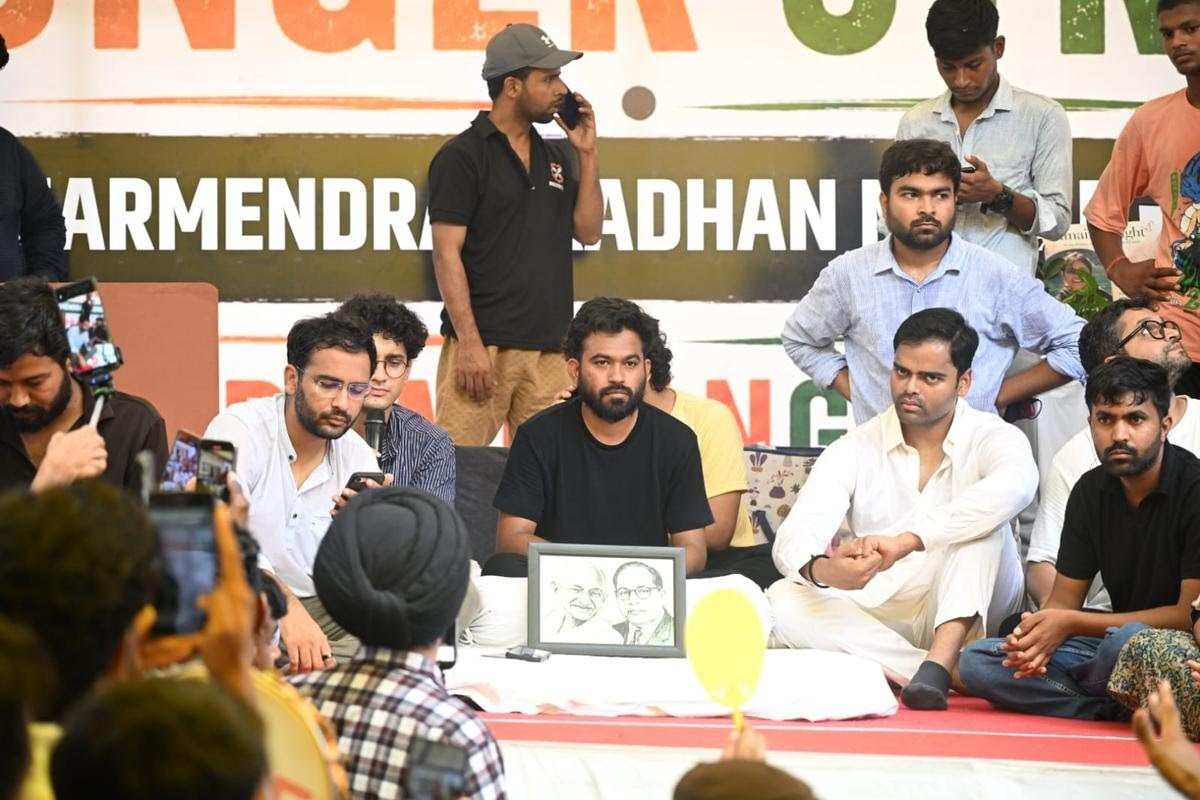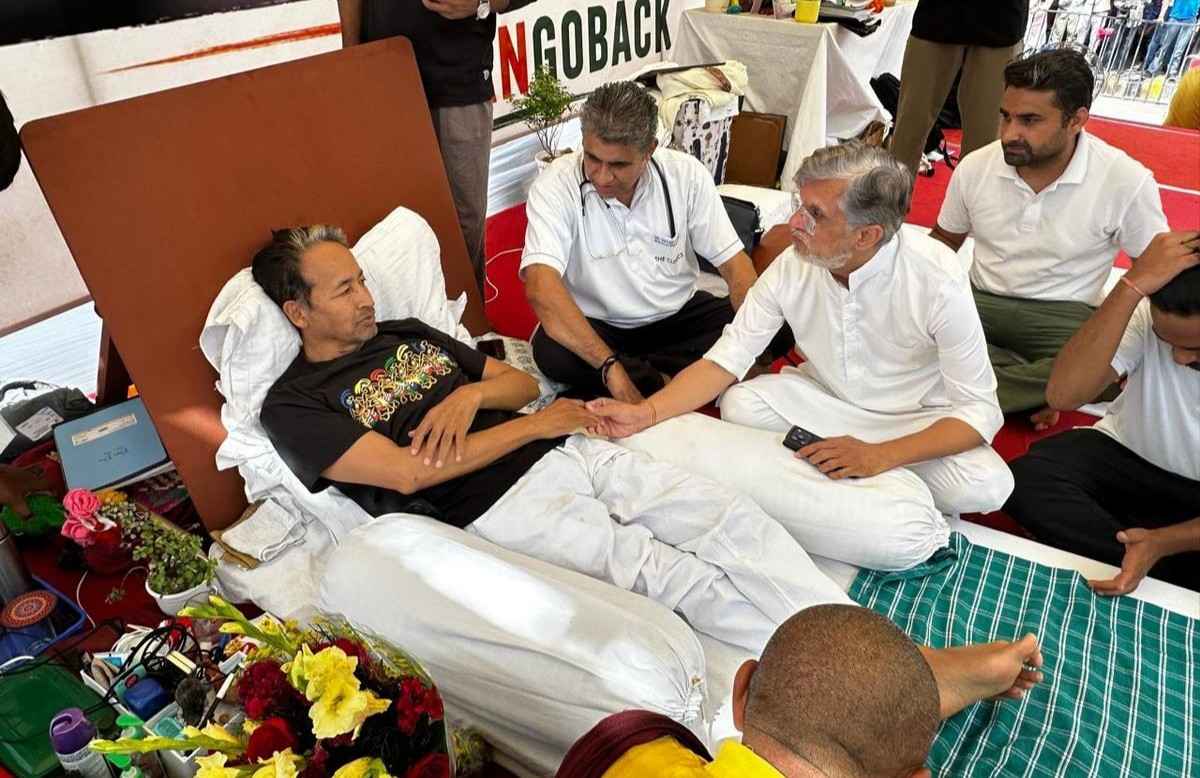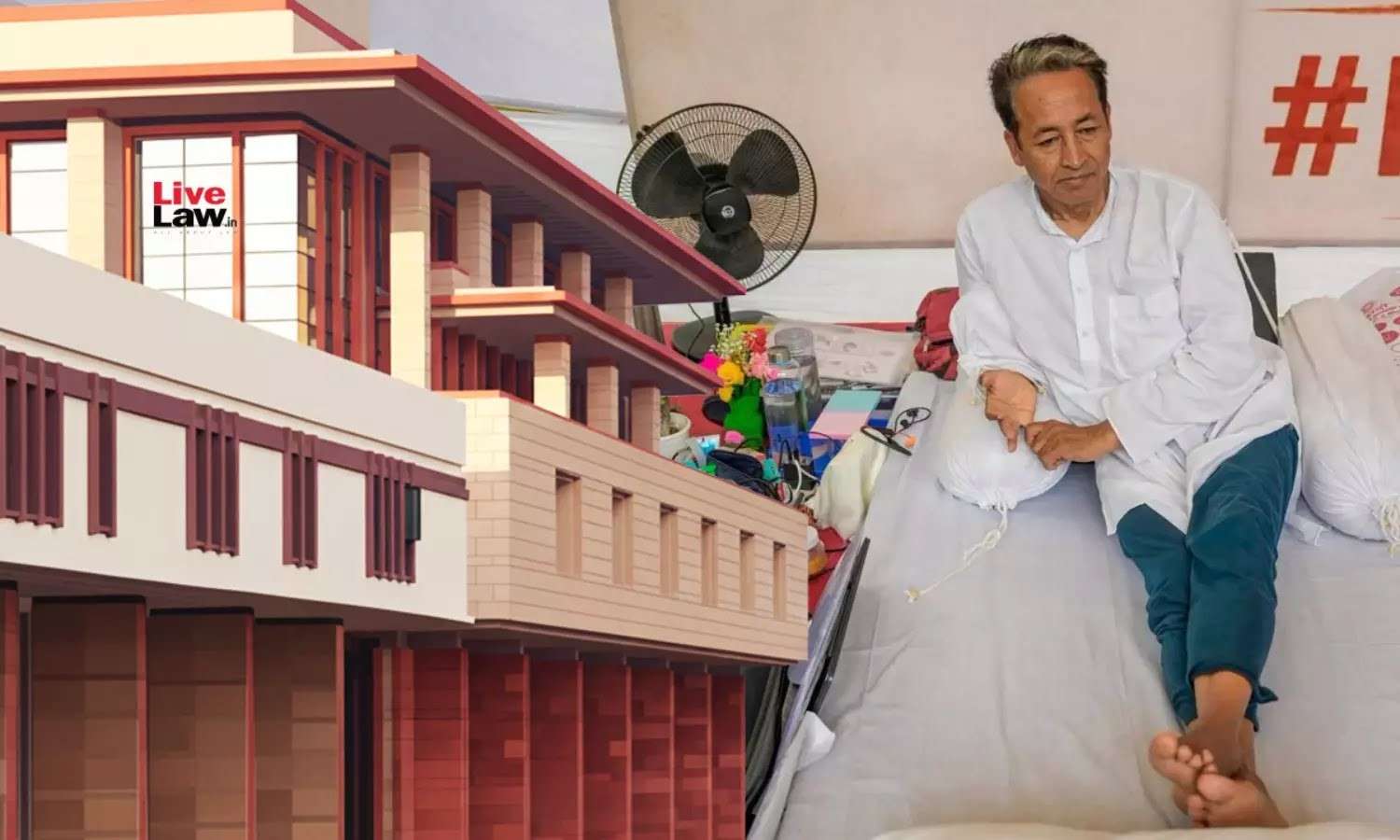
In the heart of India's capital, a story of quiet defiance has unfolded into national drama. Climate activist and educator Sonam Wangchuk, known for his tireless work in Ladakh's fragile ecosystem and innovative schooling models, found himself at the center of a high-stakes protest against systemic failures in competitive examinations. What began as solidarity with students reeling from paper leaks and irregularities has now escalated, with Wangchuk hospitalized after weeks without food and CJP founder Abhijeet Dipke stepping into the fray with his own indefinite fast.
The roots of this agitation trace back to widespread outrage over scandals plaguing bodies like the National Testing Agency. Protests erupted demanding transparency, the resignation of Union Education Minister Dharmendra Pradhan, compensation for affected families, and broader reforms to restore faith in a system that shapes millions of young futures. Wangchuk joined the Cockroach Janata Party (CJP) effort at Jantar Mantar on June 28, beginning his indefinite hunger strike after paying tribute at Rajghat. His involvement lent moral weight, blending environmental advocacy with calls for educational justice and even Ladakh's long-pending safeguards.
For over 20 days, Wangchuk endured significant physical toll: substantial weight loss (reports cited 7-9 kg), dropping blood pressure, and low blood sugar as his body shifted into ketosis. Supporters monitored him closely, issuing regular health bulletins, while the movement drew solidarity from farmers' groups like Samyukta Kisan Morcha, opposition voices, and ordinary citizens. The protest site buzzed with speeches, gatherings, and a planned "Chalo Sansad" march to Parliament on July 20, coinciding with the Monsoon Session's start.
Tensions peaked on July 18. Following Delhi High Court directions to monitor his health and intervene if necessary, authorities shifted Wangchuk to Safdarjung Hospital. Police described the move as medically advised and compliant with court orders, noting his stable vitals upon arrival—he remained conscious. Eyewitness accounts and statements from Dipke painted a more charged picture: claims of forceful removal early morning, with allegations of assault and disruption at the site. Dipke, who says he faced detention attempts himself, immediately announced his own indefinite fast, vowing the movement would persist undeterred.
This sequence raises profound questions about protest rights, state responsibility, and institutional trust. Wangchuk's stand embodies a Gandhian tradition of non-violent resistance, using personal sacrifice to spotlight collective pain—particularly the despair of students whose dreams were allegedly shattered by leaks and opacity. Yet the government's relative silence and reliance on police action highlight a pattern where dialogue often lags behind confrontation. The CJP's evolution from exam-specific demands to broader accountability calls, including electoral reforms, underscores how one issue can catalyze wider civic awakening.
Analytically, this episode reveals vulnerabilities in India's education pipeline. NEET and similar exams represent gateways to opportunity, but repeated controversies erode public confidence, disproportionately affecting aspirants from diverse backgrounds. Wangchuk's transition from Ladakh's climate battles to this national stage illustrates interconnected struggles: quality education, environmental stewardship, and democratic responsiveness. The upcoming Parliament march could amplify these voices or test the limits of peaceful assembly, depending on how authorities and lawmakers engage.
For observers, the value lies in reflection. True reform demands more than resignations or hospitalizations—it requires systemic fixes like stronger oversight of testing agencies, swift justice for victims, and platforms for youth grievances. As Dipke sustains the momentum and Wangchuk recovers, the episode serves as a reminder that democracy thrives when citizens' endurance meets institutional empathy. The coming days, especially July 20, may prove pivotal in determining whether this hunger for change yields lasting transformation or fades into another headline.
"The decisions we make today will shape the world for generations to come."