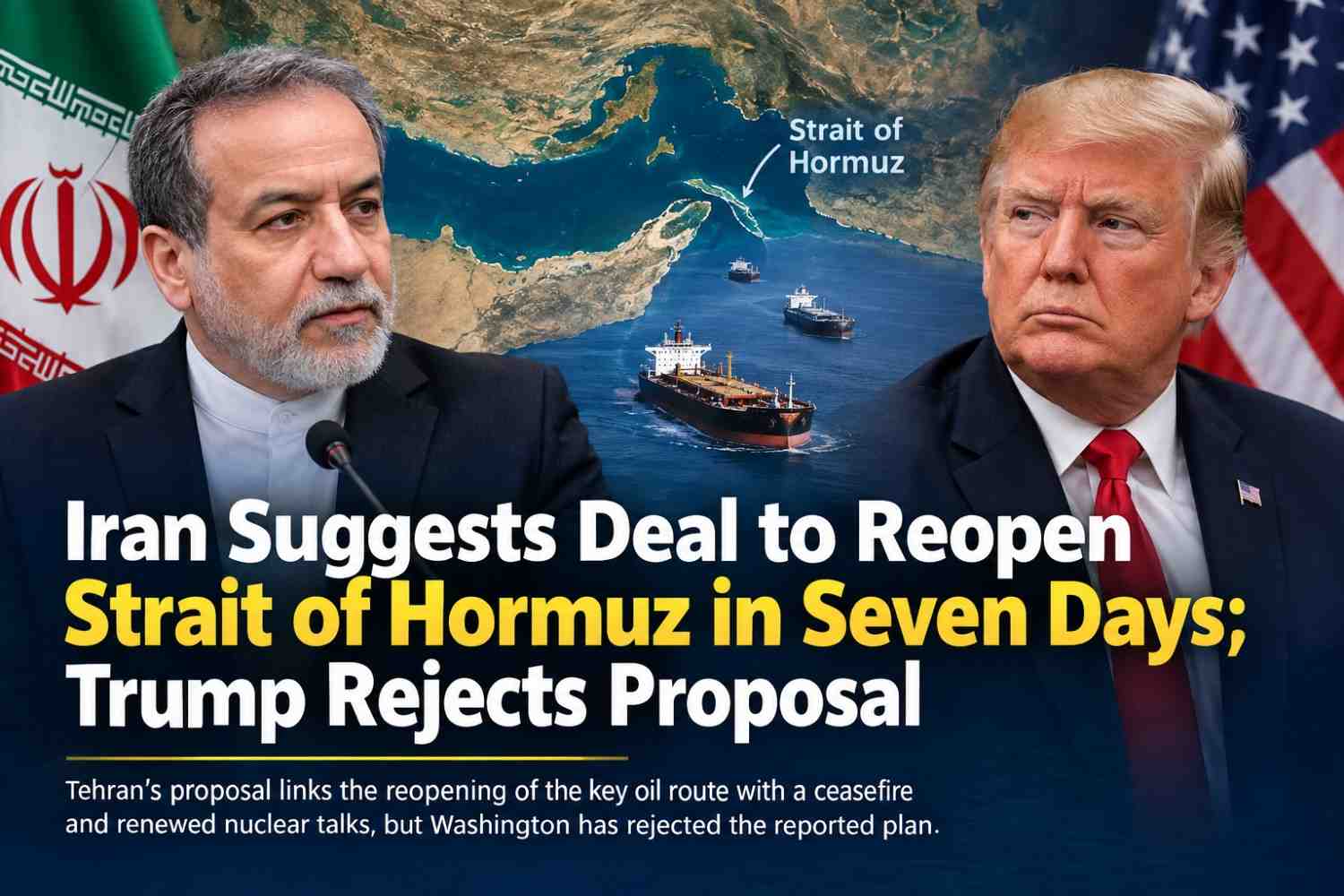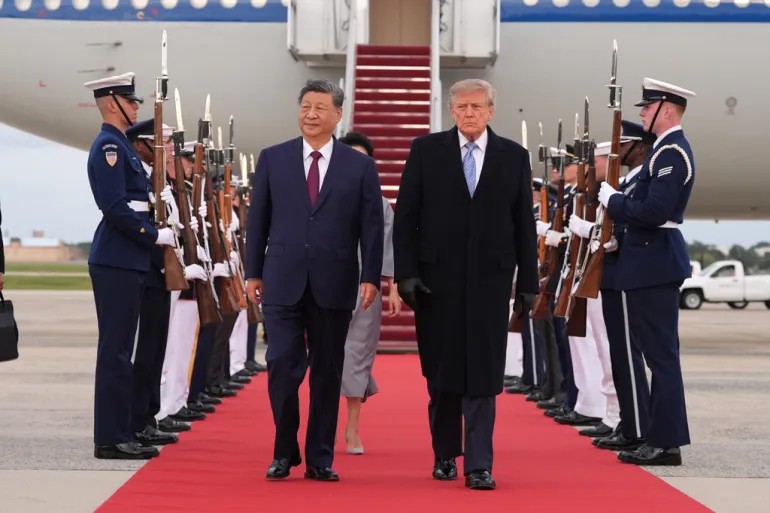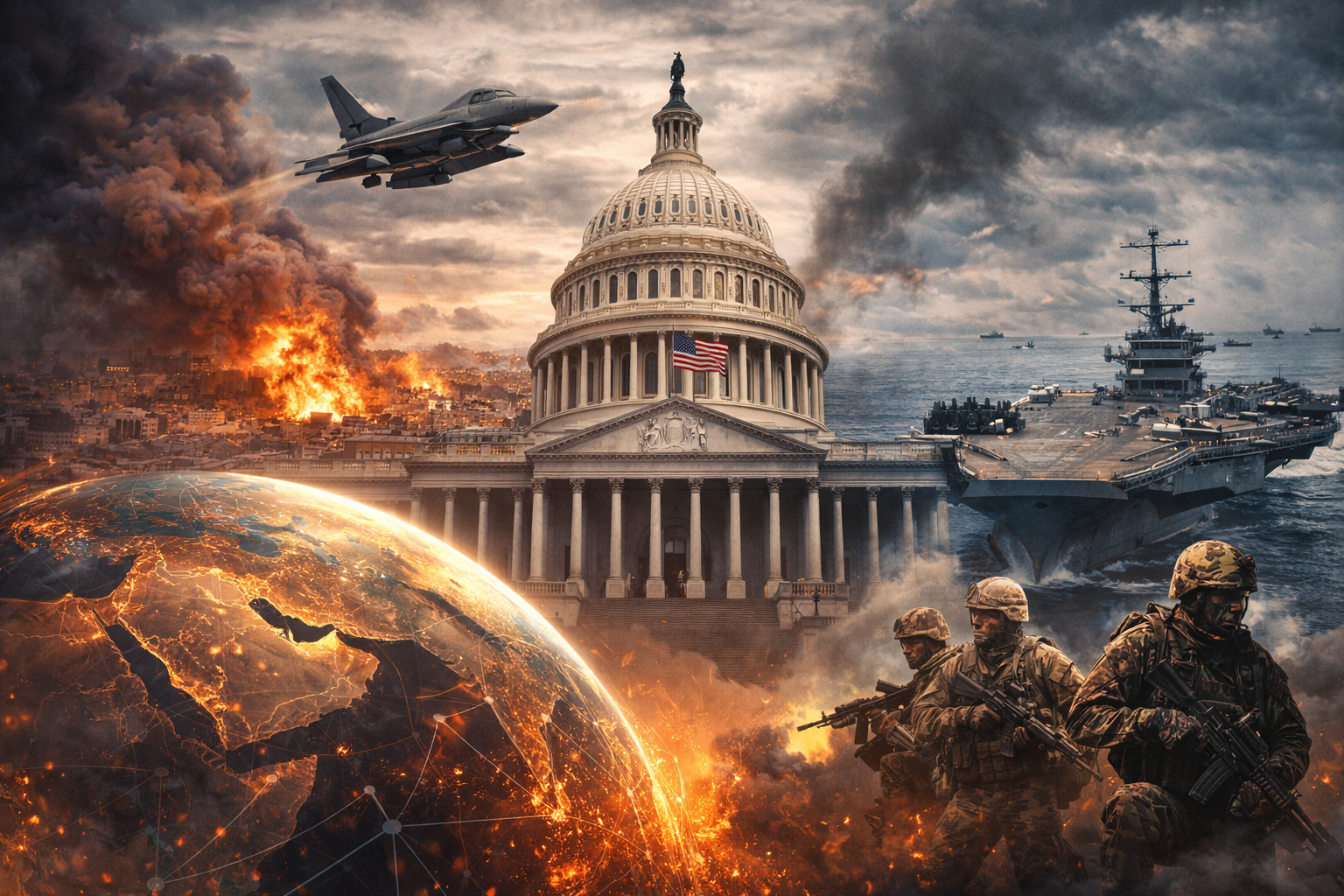
As conflicts continue to unfold across multiple regions of the world, a growing chorus of critics is questioning the motivations behind United States foreign policy. From military interventions to diplomatic positioning, Washington’s actions are frequently scrutinized by analysts, political leaders, and activists who argue that American decisions are often guided more by national strategic interests than by broader global humanitarian concerns.
The United States has long played a dominant role in international security. With the world’s largest military budget and extensive alliance networks, Washington has the ability to influence events far beyond its borders. Supporters argue that this power helps maintain global stability and protect allies. Critics, however, contend that the same influence can sometimes reflect a pattern of selective engagement.
In many conflicts, critics point out that the United States reacts differently depending on whether its geopolitical interests are directly affected. Military interventions, sanctions, or diplomatic pressure are often applied unevenly, leading some observers to accuse Washington of maintaining a double standard in international politics.
One of the most frequently cited concerns is the perception that the United States supports certain governments or military actions when they align with American strategic goals, while condemning similar actions when they are carried out by rival nations. This approach, critics argue, can undermine the credibility of international norms such as human rights protections and respect for sovereignty.
Historical examples frequently appear in these debates. The wars in Iraq and Afghanistan, along with American involvement in conflicts across the Middle East, have left lasting political and humanitarian consequences that continue to shape global perceptions of U.S. policy. For many critics, these conflicts serve as reminders of how military intervention can produce complex and long-term outcomes.
At the same time, supporters of U.S. foreign policy argue that global leadership inevitably requires difficult choices. They note that international politics is rarely guided purely by ideals; strategic alliances, economic interests, and security concerns often influence decision-making in every major power.
Nonetheless, the debate over America’s role in global conflicts continues to intensify, particularly in the age of social media where videos and commentary can quickly amplify criticism. Many analysts say the growing scrutiny reflects a broader shift in global politics, where emerging powers and public opinion increasingly challenge the traditional dominance of Western foreign policy narratives.
Conclusion
The criticism surrounding U.S. foreign policy highlights a deeper global debate about power, responsibility, and fairness in international relations. While supporters argue that American leadership remains essential for maintaining global order, critics continue to question whether Washington applies its principles consistently.
As geopolitical tensions rise across multiple regions, the discussion over whether major powers act in the interest of global stability—or primarily in pursuit of their own national advantage—is likely to remain at the center of international political discourse.
"The decisions we make today will shape the world for generations to come."