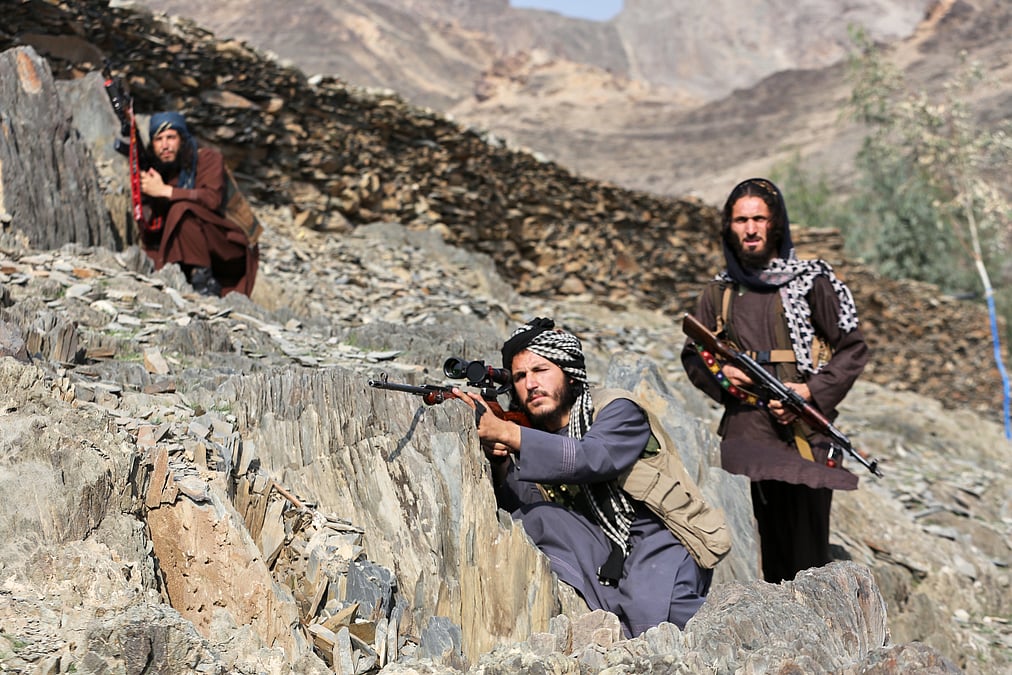
A sharp escalation in tensions between Pakistan and Afghanistan has unfolded after reported airstrikes targeted major Afghan cities. In response, the ruling Taliban administration condemned the attacks as a violation of sovereignty but stated it remains open to dialogue to prevent further deterioration of relations.
According to Pakistani officials, the strikes were aimed at militant hideouts allegedly responsible for cross-border attacks inside Pakistan. Islamabad has repeatedly accused armed groups of using Afghan territory as a base to plan and execute operations that threaten its national security. The Afghan side, however, has denied providing shelter to such groups and rejected the allegations as unfounded.
The Taliban leadership described the bombings as unacceptable and warned that continued military actions could destabilize the wider region. At the same time, officials emphasized the importance of diplomatic channels, signaling a preference for negotiation over confrontation. This dual stance reflects the delicate position Kabul finds itself in—balancing domestic expectations with international scrutiny.
Relations between the two neighboring nations have long been complicated by border disputes, historical mistrust, and security concerns. The Durand Line issue, refugee movements, and insurgent activity have repeatedly strained bilateral ties. The latest airstrikes have brought these unresolved issues back into sharp focus.
Regional observers believe that sustained escalation would harm both countries, which are already facing economic challenges and internal pressures. Trade disruptions, humanitarian setbacks, and security instability could further deepen the crisis. As a result, calls for restraint and diplomatic engagement are growing louder across South Asia.
Whether the Taliban’s openness to talks translates into meaningful negotiations remains uncertain. However, the acknowledgment of dialogue as a potential solution suggests that both sides may still have room to avoid a prolonged conflict. The coming days will likely determine whether this episode becomes another flashpoint in a troubled relationship—or a turning point toward cautious cooperation.
"The decisions we make today will shape the world for generations to come."