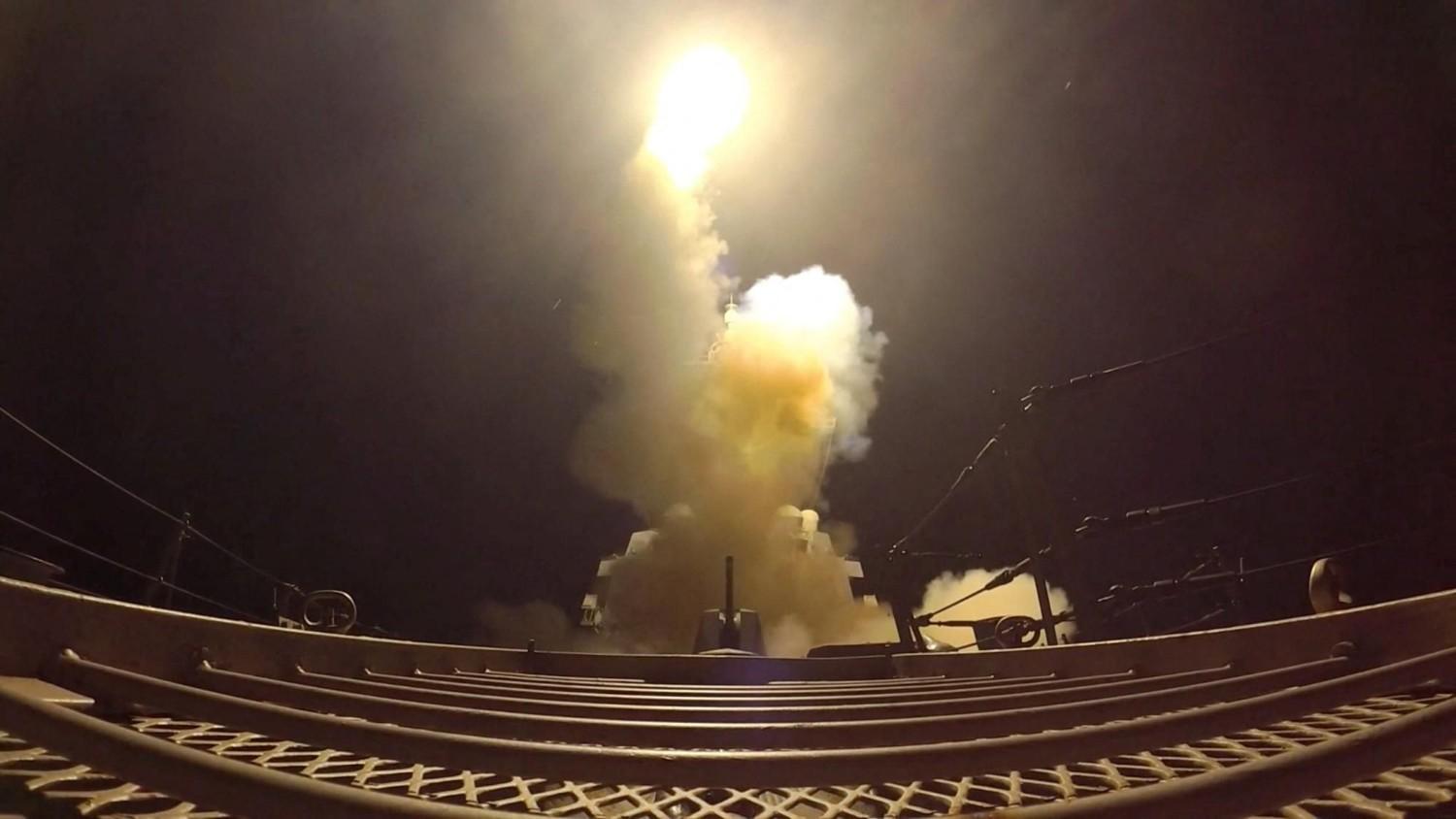
The United States has once again lit up the Iranian night sky. In the early hours of 30 July 2026, US Central Command confirmed it had completed a “heavy wave” of precision strikes against dozens of Islamic Revolutionary Guard Corps targets across Iran. The official statement lists military command centres, missile and drone facilities, coastal surveillance and defence sites, and maritime capabilities. The stated reason: retaliation for Iran’s 28 July attempted surprise ballistic-missile attack on American forces at Muwaffaq Salti Airbase in Jordan. Every Iranian missile was intercepted. No American casualties were reported.
Iranian state media and local reports paint a different picture on the ground. Explosions were heard in Bandar Abbas, on Kish Island, in Bushehr province and on Qeshm Island. On Qeshm a residential building was hit. A couple and their two-year-old child were killed; two other children were wounded. The IRGC claims it still controls the Strait of Hormuz and has warned that any further “aggression” will be met with punishment.
This is not an isolated night of violence. It is the latest chapter in a war that began on 28 February 2026 when the United States and Israel launched Operation Epic Fury, killing Supreme Leader Ali Khamenei and triggering months of reciprocal strikes, a collapsed ceasefire, a renewed naval blockade, and the near-paralysis of the world’s most critical oil chokepoint. July alone has seen multiple consecutive nights of American bombing, a brief pause for talks, Iran’s missile volley, joint US-Saudi strikes on Iranian-backed militias in Iraq, and now this fresh barrage.
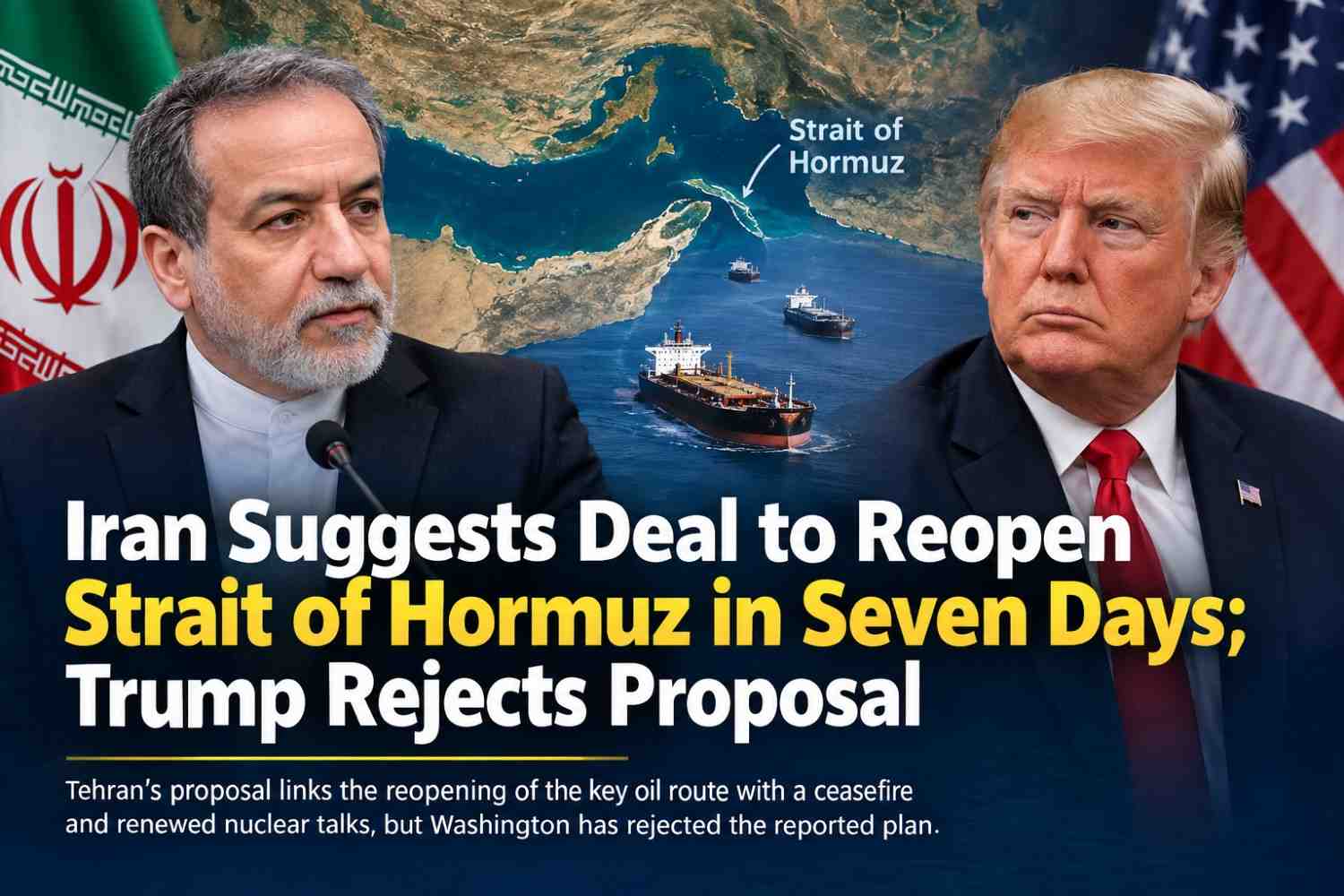
For India the geography of this war is not abstract. Roughly a fifth of the world’s seaborne oil and a significant share of India’s own crude imports normally pass through the Strait of Hormuz. Brent crude has already been trading near or above $90 a barrel in recent sessions. Every fresh exchange of fire raises the risk of further disruption, higher freight rates, and another round of fuel-price pain for ordinary Indians already stretched by inflation.
Yet from New Delhi there is the familiar, shameful quiet. No firm public demand for immediate de-escalation that protects Indian energy security. No assertive diplomacy that treats the lives and livelihoods of Indian citizens as non-negotiable. No visible contingency plan beyond the usual bureaucratic assurances that “all options are being monitored.” The same political class that lectures the world about strategic autonomy has once again chosen the safest path for itself: silence and waiting.
This is the true face of the system. When global powers treat the Persian Gulf as their private battlefield, the Indian state retreats into carefully worded statements and behind-the-scenes consultations that change nothing. The result is predictable. The cost of petrol and diesel rises. Transport and food inflation bite harder. The poorest households absorb the shock while the powerful debate “balanced approaches” in air-conditioned rooms.
Washington frames its strikes as necessary force protection and freedom of navigation. Tehran frames its missiles as legitimate resistance. Both sides have repeatedly targeted infrastructure that affects civilians. Both have shown willingness to risk a wider regional fire for their own strategic goals. India, whose economy and people are collateral, is treated as an afterthought by both and, more damningly, by its own government.
The pattern is now clear. Escalation continues. Civilian deaths on Qeshm are noted and then buried under the next official communiqué. Oil markets remain volatile. And the Indian state, which claims to speak for 1.4 billion people, continues to demonstrate that its first priority is avoiding offence to the powerful rather than shielding its own population from the consequences.
Until that changes, every new American strike and every Iranian response will not only burn targets in Iran. They will continue to extract a quiet, grinding price from the Indian public—while those who hold power in Delhi look the other way.
"The decisions we make today will shape the world for generations to come."