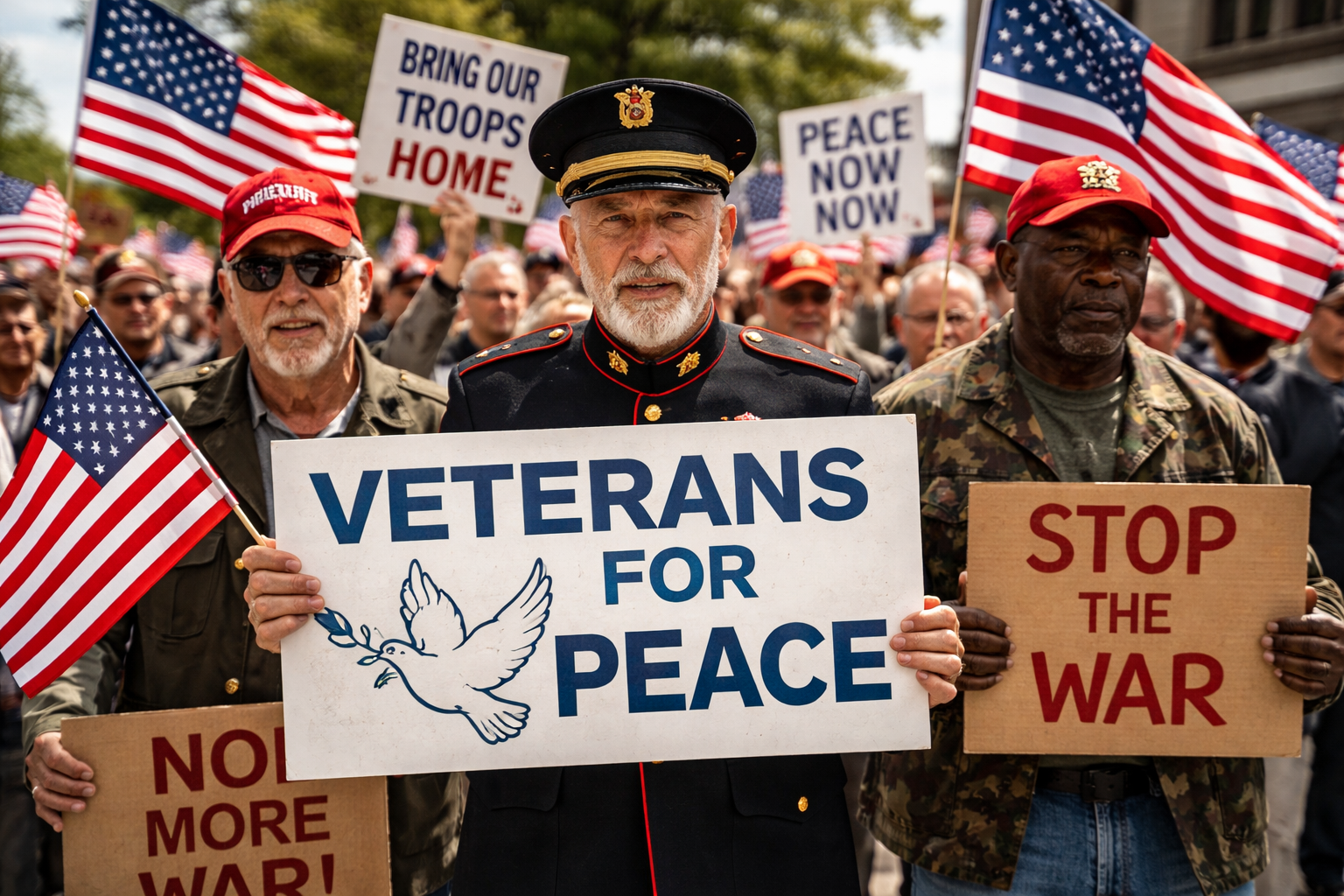
A growing number of American Marine veterans have taken to the streets in protest, voicing concern over the possibility of the United States becoming further involved in escalating conflicts in the Middle East. The demonstrations, organized by veteran groups and peace organizations, reflect mounting unease among former service members who experienced the realities of modern warfare firsthand.
Protests were reported in several U.S. cities, where veterans carried banners calling for diplomacy and restraint rather than military escalation. Many participants said their experiences in earlier conflicts—including wars in Iraq and Afghanistan—have shaped their perspective on the costs of war.
Several former Marines speaking at rallies emphasized that military action often brings consequences that extend far beyond the battlefield. They pointed to the human toll on soldiers and civilians, as well as the long-term political instability that can follow prolonged military engagements.
One veteran addressing demonstrators said the goal of the protests was not to criticize service members currently in uniform but to ensure that political leaders carefully weigh the consequences of expanding military operations.
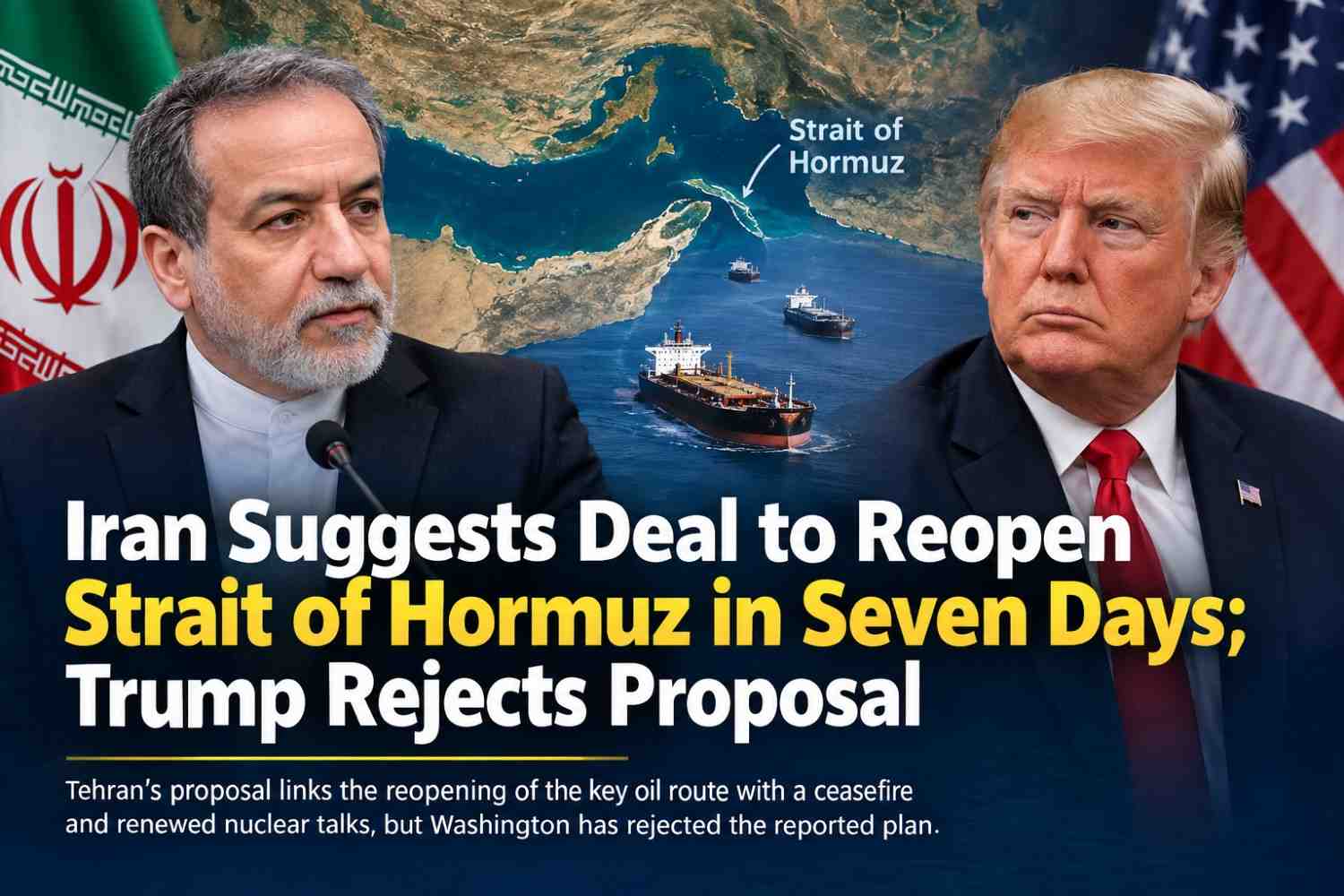
The demonstrations come at a time when geopolitical tensions in the Middle East have intensified, raising concerns that the United States could be drawn into another large-scale conflict. Rising tensions involving regional powers, missile strikes, and naval deployments have contributed to an atmosphere of uncertainty.
For many veterans participating in the protests, the issue is deeply personal. Former Marines who served in combat zones described witnessing the long-term effects of war on both soldiers and local populations, experiences that now drive their calls for diplomatic solutions.
Organizers of the demonstrations say the protests are intended to encourage public debate and remind policymakers that military decisions carry lasting consequences. They also stress that veterans—who have served on the front lines—bring a unique perspective to discussions about national security and foreign policy.
The protests by American Marine veterans highlight a powerful voice emerging from within the military community itself. Having experienced the realities of combat, many veterans are urging policymakers to consider alternatives to military escalation and prioritize diplomatic efforts.
As tensions in the Middle East continue to evolve, these demonstrations reflect a broader debate within the United States about the role of military power in resolving international crises—and the lessons learned from decades of conflict.
"The decisions we make today will shape the world for generations to come."