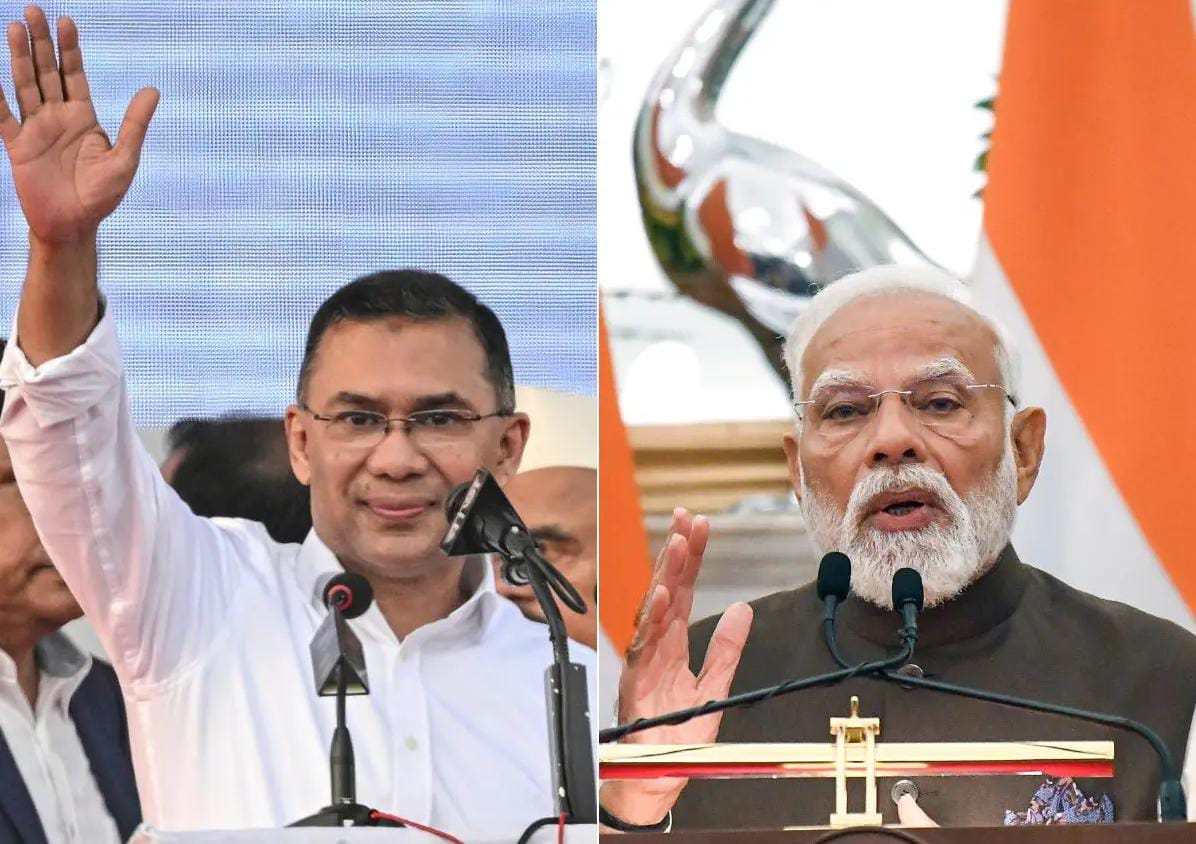
In a notable diplomatic gesture ahead of a potential change in leadership in Dhaka, the Bangladesh Nationalist Party (BNP) has indicated that Indian Prime Minister Narendra Modi should be invited to the swearing-in ceremony of party chief Tarique Rahman. The statement, delivered by a senior BNP figure, has drawn attention across South Asia as a signal that Bangladesh may seek a stable and constructive relationship with India regardless of domestic political shifts.
A Strategic Diplomatic Message
The suggestion to invite PM Modi is being viewed as more than ceremonial protocol. In South Asian politics, invitations to swearing-in ceremonies often carry strategic weight. By advocating for India’s participation at the highest level, BNP appears keen to project a message of diplomatic continuity and regional cooperation.
India is Bangladesh’s largest neighbor and one of its most significant economic and security partners. From cross-border trade and infrastructure connectivity to energy cooperation and counter-terrorism coordination, bilateral engagement has deepened over the past decade. BNP’s outreach suggests an understanding that maintaining strong ties with New Delhi is essential for economic growth and geopolitical balance.
Political Context in Bangladesh
As Tarique Rahman prepares for a possible oath-taking, Bangladesh is entering a new political phase. Historically, relations between Dhaka and New Delhi have seen fluctuations depending on which party was in power. Therefore, BNP’s diplomatic tone is being interpreted as an attempt to reassure both domestic and international stakeholders that foreign policy priorities—especially relations with India—will remain pragmatic.
Political analysts believe this approach may also aim to reduce uncertainty in financial markets and among foreign investors. Stability in diplomatic relations often translates into confidence in trade agreements, infrastructure projects, and regional initiatives.
India–Bangladesh Relations at a Glance
Key pillars of bilateral cooperation include:
1.Trade: India is among Bangladesh’s top trading partners, with bilateral trade running into billions of dollars annually.
2.Energy Cooperation: Cross-border electricity supply agreements have strengthened energy security.
3.Connectivity Projects: Rail, road, and inland waterway links have been revived and expanded to boost regional integration.
4.Security Coordination: Both countries have collaborated closely on counter-terrorism and border management.
An official invitation to PM Modi would symbolize a commitment to preserving these frameworks while potentially opening new avenues of collaboration.
Regional and Geopolitical Implications
South Asia remains a strategically sensitive region, influenced by global power competition and shifting alliances. A public gesture of goodwill toward India at a high-profile political event would signal Bangladesh’s intention to maintain balanced diplomacy.
Such a move may also reinforce Bangladesh’s role as a stable partner in regional forums and multilateral platforms. It underscores the importance of neighborly cooperation in ensuring economic resilience and security in the Bay of Bengal region.
"The decisions we make today will shape the world for generations to come."