The already fragile relationship between Pakistan and Afghanistan has sharply deteriorated after Islamabad described the ongoing hostilities as an “open war.” The escalation follows a series of cross-border airstrikes and retaliatory shelling along the volatile frontier, raising concerns of a prolonged military confrontation.
According to official statements, Pakistani forces launched targeted operations against suspected militant hideouts inside Afghan territory, alleging that armed groups operating from across the border were responsible for recent attacks on its security personnel. Afghan authorities, led by the Taliban administration, strongly denied the allegations and condemned the strikes as a violation of sovereignty.
Escalation at the Border
Security sources indicate that multiple locations near the border provinces witnessed aerial bombardment and artillery exchanges. Casualty figures remain contested, with both sides presenting conflicting claims. Local residents reported panic and displacement in several districts, intensifying the humanitarian dimension of the crisis.
Pakistan’s defense establishment maintains that the operation was a defensive necessity aimed at neutralizing cross-border threats. However, Kabul has accused Islamabad of provoking instability and warned of “serious consequences” if the attacks continue.
Russia and Iran Step In
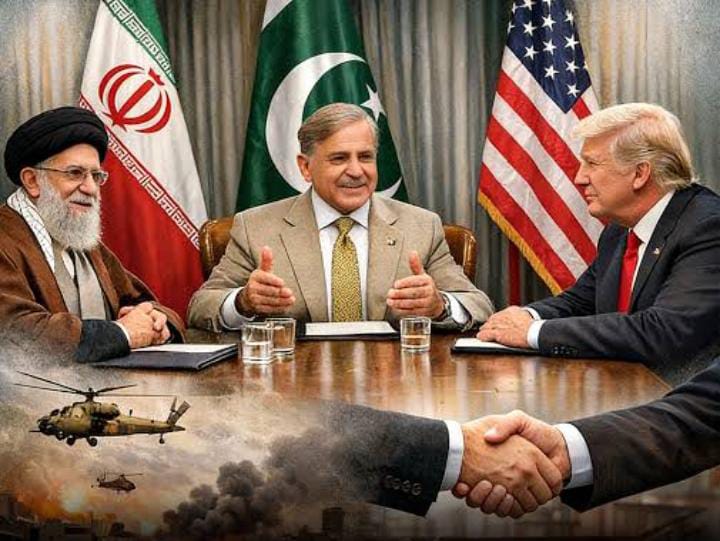
Amid the intensifying conflict, both Russia and Iran have urged restraint. Moscow emphasized the need for dialogue to prevent a wider regional fallout, while Tehran reportedly offered to facilitate mediation talks between the two neighbors.
Diplomatic analysts suggest that regional powers fear that unchecked hostilities could destabilize not only South Asia but also spill over into Central Asia, affecting trade corridors and security arrangements.
Regional and Global Implications
The renewed confrontation comes at a time when Afghanistan is grappling with economic hardship and international isolation. Pakistan, on the other hand, faces its own internal security and political challenges. Experts warn that prolonged military engagement could strain both nations’ resources and heighten refugee flows across the region.
With tensions at a peak, the coming days will be critical. Whether back-channel diplomacy succeeds or military posturing continues may determine the trajectory of this escalating crisis.
"The decisions we make today will shape the world for generations to come."