The fourth day of coordinated military strikes by the United States and Israel against Iran has marked a significant escalation in one of the most volatile confrontations in recent Middle Eastern history. With sustained air raids, retaliatory missile launches, and rising casualties, the conflict appears to be expanding beyond initial strategic targets.
Expanding Military Operations
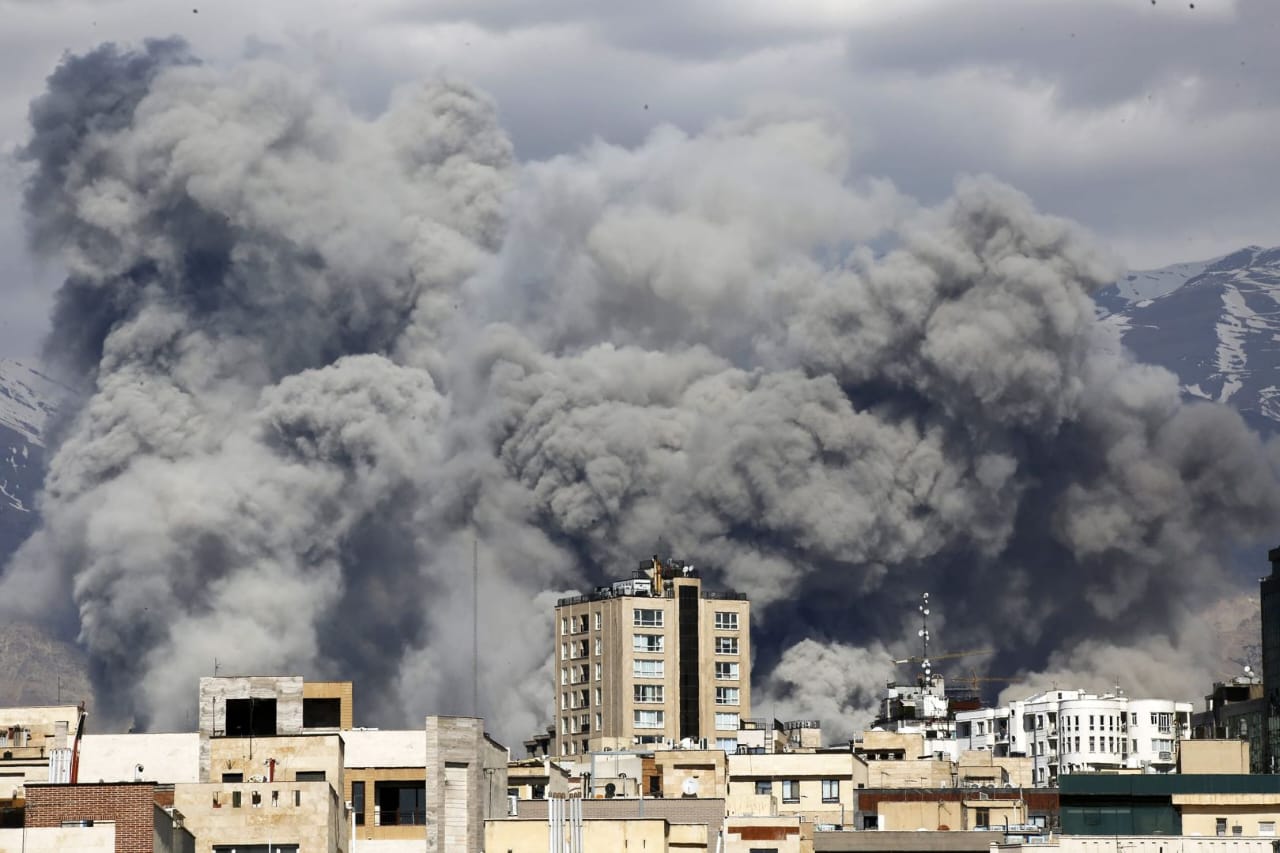
Joint US-Israeli forces continued precision airstrikes targeting Iranian military installations, air defense systems, missile storage facilities, and key command centers. Explosions were reported in and around Tehran, as well as in other strategic provinces believed to house Revolutionary Guard infrastructure.
Defense officials from Washington and Tel Aviv described the operations as “measured and strategic,” aimed at weakening Iran’s missile capabilities and deterring further regional aggression. However, Iranian authorities have characterized the strikes as acts of war and vowed continued resistance.
Iran’s Retaliation
Iran responded with waves of ballistic missiles and armed drones directed toward Israeli military facilities. Sirens were heard across multiple Israeli cities, and air defense systems intercepted several incoming projectiles. While Israel has reported limited structural damage due to its layered missile defense systems, officials confirmed injuries and disruptions in civilian areas.
Iranian state media claimed that retaliatory strikes targeted more than a hundred military-linked sites, though independent verification remains limited due to restricted access inside conflict zones.
Rising Casualties and Humanitarian Concerns
Reports indicate mounting casualties within Iran, including both military personnel and civilians. Hospitals in major urban centers are reportedly overwhelmed, and emergency services remain on high alert. International humanitarian organizations have expressed concern about potential civilian displacement if hostilities persist.
Meanwhile, countries across the region have issued travel advisories and evacuation plans for their citizens.
Global Impact
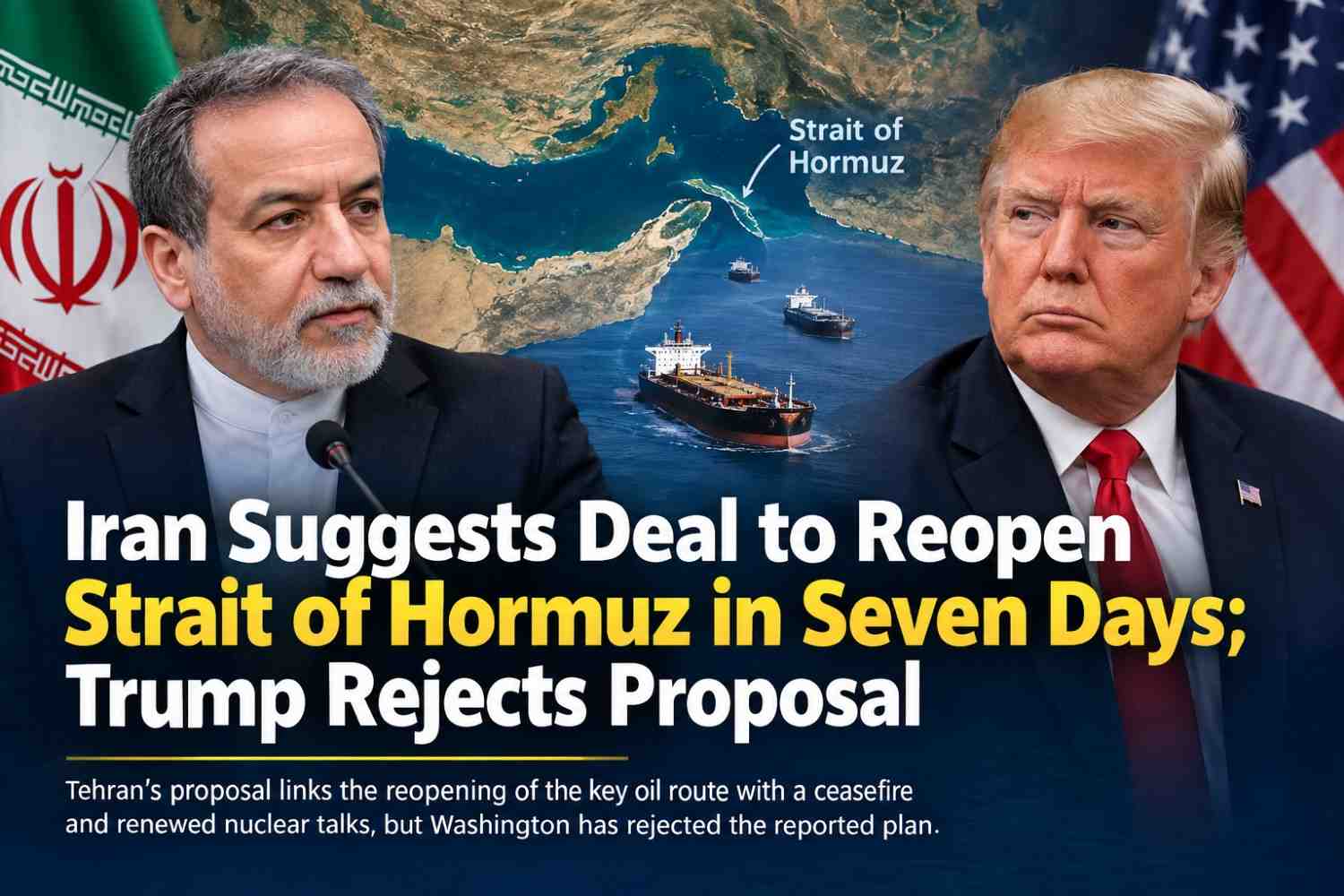
The conflict has begun affecting global markets. Oil prices surged amid concerns over instability near the Strait of Hormuz, a critical maritime route for global energy shipments. Financial markets in Asia, Europe, and North America showed volatility as investors reacted to geopolitical uncertainty.
What Comes Next?
Military analysts warn that if hostilities continue at the current pace, the conflict could widen to involve regional actors aligned with either side. Diplomatic backchannels are reportedly active, but no ceasefire framework has yet emerged.
As day four concludes, the region remains on edge, with the risk of further escalation looming large.
"The decisions we make today will shape the world for generations to come."