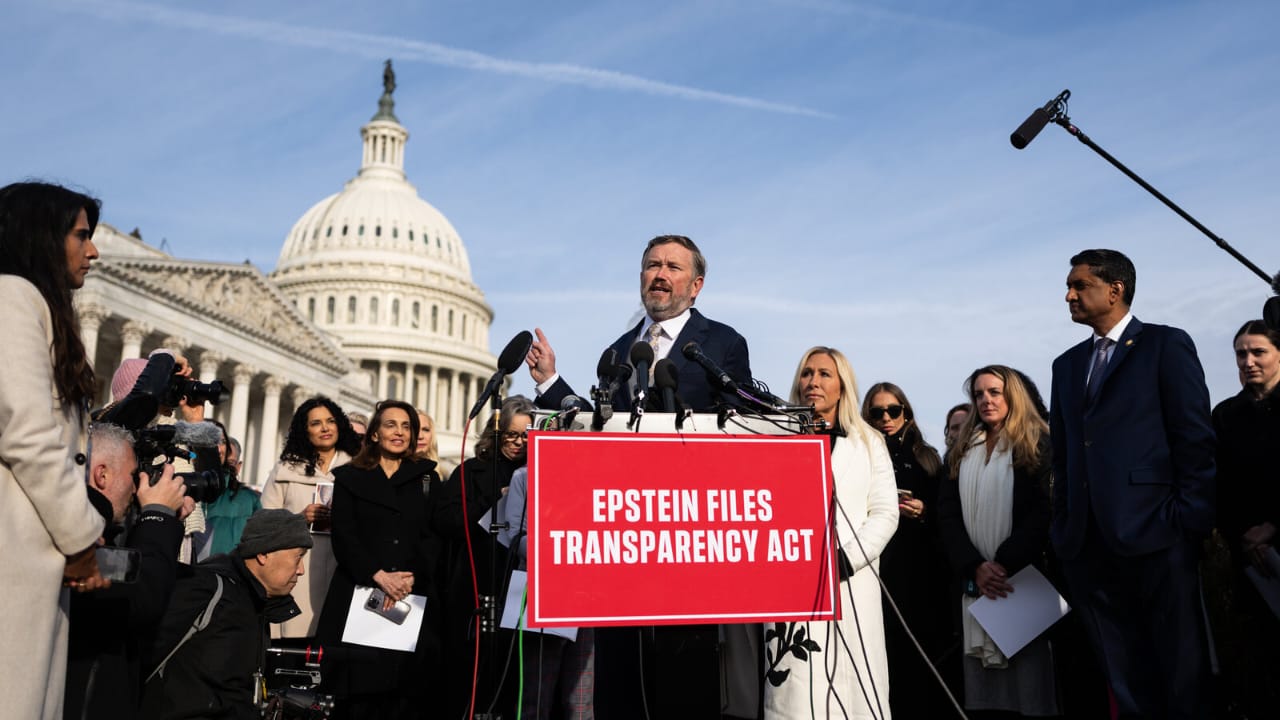
The recent release of long-sealed Jeffrey Epstein investigation records has once again drawn public attention to the former U.S. President Donald Trump and officials associated with his past and present political circle. The disclosure, made by the U.S. Department of Justice (DOJ), includes millions of pages of emails, internal notes, and digital records linked to Epstein’s activities and network.
While the documents do not present direct evidence of criminal conduct by Donald Trump, they contain references and communications involving individuals who later held or currently hold positions in Trump-aligned administrations. These revelations have intensified political debate and raised broader questions about transparency, accountability, and how high-profile names are treated in major federal investigations.
What the Documents Reveal
According to officials, the newly released files include emails and contact records in which Trump is mentioned indirectly by Epstein or his associates. Importantly, the DOJ has clarified that these references do not amount to proof of wrongdoing, nor do they establish direct involvement by Trump in Epstein’s crimes. No emails directly exchanged between Trump and Epstein have been identified in the released material.
However, the presence of prominent political and business figures in the files has reignited public scrutiny. Some communications reference social interactions and past associations dating back to the 1990s and early 2000s, a period during which Epstein maintained relationships with influential personalities across politics, finance, and media.
Government and Political Response
The Department of Justice emphasized that the release of documents is part of a broader transparency effort and should not be misinterpreted as evidence of guilt. Officials cautioned that mentions of individuals in Epstein-related files often reflect unverified claims, third-party commentary, or routine social contact rather than criminal behavior.
At the same time, lawmakers from both major U.S. political parties have called for greater clarity. Several members of Congress have demanded the release of fully unredacted files, arguing that partial disclosures risk fueling speculation while failing to deliver true accountability.
Concerns Raised by Survivors and Advocates
Victims’ rights groups have expressed mixed reactions to the document release. While many welcomed the move toward transparency, some advocates criticized the way certain victim details appeared less protected than the names of powerful figures. They argue that future disclosures must strike a better balance between public interest and survivor protection.
Why the Story Matters
The Epstein files continue to matter not only because of the crimes themselves, but because they expose how power, influence, and privilege can shape legal and political narratives. For Donald Trump, the latest release adds another chapter to an already complex public record, even as officials insist there is no legal basis for allegations stemming from these documents.
As investigations and document reviews continue, the Epstein case remains a symbol of unresolved questions surrounding elite accountability in the United States—questions that continue to surface years after Epstein’s death.
"The decisions we make today will shape the world for generations to come."