India’s coal industry has long powered the nation’s growth, but beneath this progress lies a painful history of human loss. From the devastating Chasnala disaster of 1975 to the recent mine collapses in Asansol, coal mining accidents have repeatedly exposed deep flaws in safety, regulation, and accountability. These tragedies are not isolated incidents — they are warnings that have gone unheard for decades.
The Chasnala Disaster: A Turning Point in India’s Mining History
On December 27, 1975, one of the worst industrial disasters in Indian history unfolded in Chasnala, near Dhanbad. A powerful explosion weakened the walls of an underground coal mine. Within minutes, millions of gallons of water from an abandoned flooded mine rushed in, trapping hundreds of miners deep underground.
There was no escape. Rescue teams worked for weeks, pumping out water and debris, but not a single miner could be saved. Around 375 workers lost their lives, making it the deadliest coal mine accident India has ever witnessed. The disaster shocked the nation, yet meaningful safety reforms were slow and limited.
Chasnala should have been the moment when India transformed its mining safety culture. Instead, it became a tragic reference point that future accidents would be compared to.
Asansol and the Return of Old Dangers
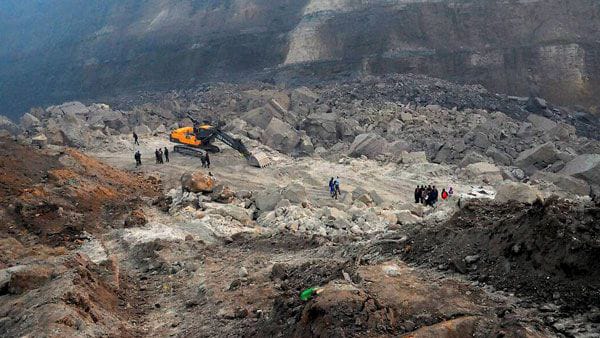
Fast forward to recent years, and the coal belt of Asansol in West Bengal has again become a symbol of danger. Mine collapses, often linked to illegal or poorly regulated mining, have placed workers’ lives at constant risk. In several incidents, tunnels caved in suddenly, trapping miners with little chance of escape.
Unlike Chasnala, modern technology and rescue teams now exist. But the root problems remain strikingly similar: weak enforcement of safety rules, lack of proper mine planning, and the growth of illegal mining driven by poverty and high coal demand.
Each collapse in Asansol is a reminder that despite decades of warnings, coal mining in parts of India still operates in conditions that are dangerously outdated.
Why Do These Disasters Keep Happening?
Coal mine accidents in India usually do not happen because of a single mistake. They are the result of a chain of failures:
Poor geological assessment of mines
Inadequate ventilation and structural support
Weak monitoring by authorities
Illegal mining outside official safety systems
Lack of emergency preparedness
When these problems combine, even a small collapse or gas leak can turn into a mass tragedy.
The Human Cost Behind the Coal
Behind every mining disaster are families left without fathers, sons, or brothers. Most coal miners come from economically weak backgrounds. They take these dangerous jobs because they have no better options. When accidents happen, compensation is often delayed or insufficient, leaving families struggling to survive.
These tragedies are not just statistics — they are stories of people who went underground to earn a living and never came back.
A Future That Must Be Safer
From Chasnala to Asansol, the message is clear: India cannot afford to ignore coal mine safety any longer. Strict regulation, elimination of illegal mining, modern safety equipment, and regular inspections are no longer optional — they are essential.
Coal may fuel the country’s industries, but no economic benefit can justify the loss of human lives. If lessons from Chasnala had been fully learned, Asansol might not have happened. The real question now is whether India will finally listen before the next disaster strikes.