Imagine this: You're a seasoned British skier, goggles fogged, staring at barren slopes in the French Alps. It's 2026, and the snow? A pathetic dusting that melts by noon. Your mates back home are buzzing about something else—something wilder, unspoken. A place where winter doesn't tease; it devours. But what if I told you this isn't just a rumor? What if Norway's frozen frontier is silently rewriting the rules of your next piste?
The signs started small. A curious Instagram post here, a hushed pub tale there. British bookings to Chamonix and Verbier plummeted 22% last season, per Ski Club of Great Britain data. Where did they go? Not the usual suspects. No, they're flocking north—way north—to Norway's Arctic Circle resorts like Narvik and Lyngen Alps. Why? Hold on. The real storm is brewing.
Picture the setup: Southern Europe's snowpack, once reliable, now a gamble. Climate shifts have slashed reliable ski days by 30% in the Alps since 2020, according to the World Meteorological Organization. One storm too late, and your dream holiday turns to slush. British skiers, tired of the roulette, began peeking at Norway. At first, it was experimental—flights to Tromsø for "off-piste adventures." But curiosity ignited something primal.
Then came the tipping point. Last winter, a freak blizzard buried Narvik under 5 meters of powder—pristine, endless, untouched. Word spread like an avalanche. "It's not skiing," one Brit raved anonymously on a ski forum. "It's survival in paradise." Airlines scrambled: Norwegian Air shuttles from London to Bardufoss doubled capacity. By mid-2026, UK visitors to Norwegian slopes surged 45%, outpacing even domestic French numbers.
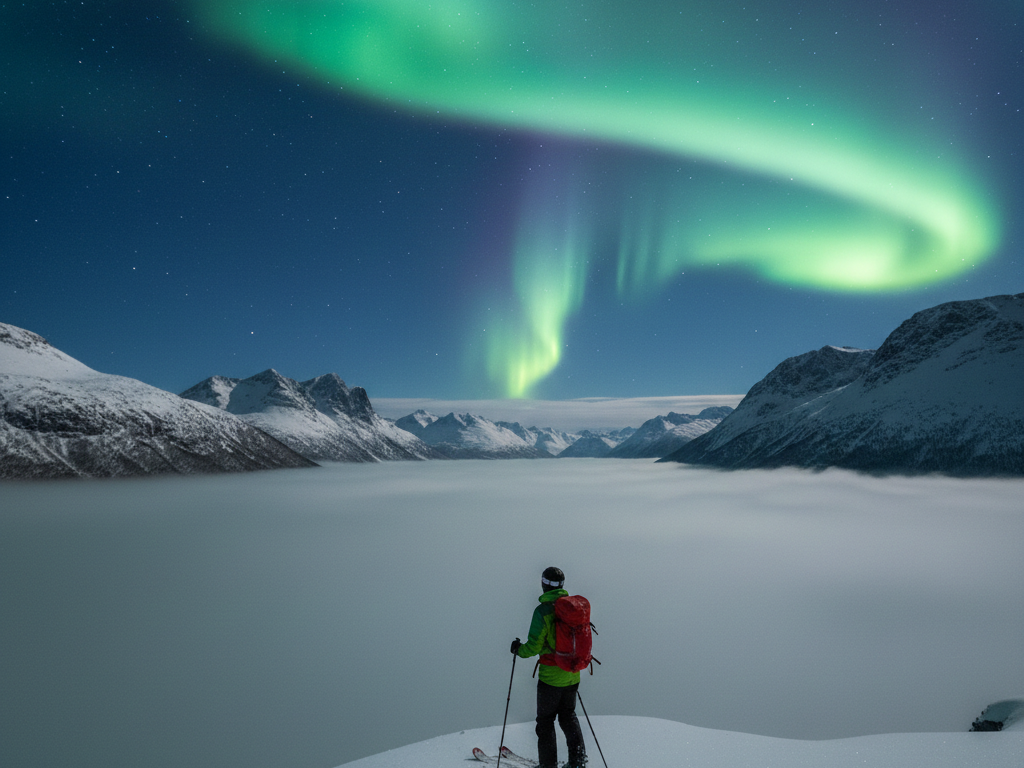
But here's where it gets chilling. Norway isn't just selling snow; it's weaponizing "real nature." Fjords that swallow horizons. Midnight sun in summer morphing to polar nights where auroras dance like ghosts. Resorts like Riksgränsen offer heli-skiing drops onto untouched bowls, with risks that thrill: crevasses hidden in whiteouts, slopes steeper than Everest's face. One wrong turn, and you're not calling ski patrol—you're invoking Viking legends. British thrill-seekers, from City bankers to adrenaline junkies, can't resist. "The Alps feel like a theme park now," admits ex-Olympian Chemmy Alcott in a recent podcast. "Norway? It's alive."
The demand exploded. Hotels in Svalbard report 60% UK occupancy. Local guides, once idle, now triage bookings. Even luxury operators like Crystal Ski pivoted, launching "Arctic Elite" packages with private saunas in ice hotels. Prices? Steep—£2,500 for a week, versus £1,800 in Italy—but worth it for snow that's 95% reliable, per Norway's tourism board.
Yet suspense lingers: Can Norway handle the invasion? Infrastructure strains—cable cars queue for hours, helipads buzz like war zones. Locals mutter about overtourism eroding their wild idyll. And climate? Irony bites: While Norway's north stays cold (thanks to Gulf Stream quirks), warming could eventually claim even these bastions.
British skiers, once loyal to the Alps, are hooked. Curiosity killed the cat? No—this one's purring in powder heaven. Will you be next to vanish into the white north, or stick to the melting south? The piste calls. Answer carefully.
"The decisions we make today will shape the world for generations to come."