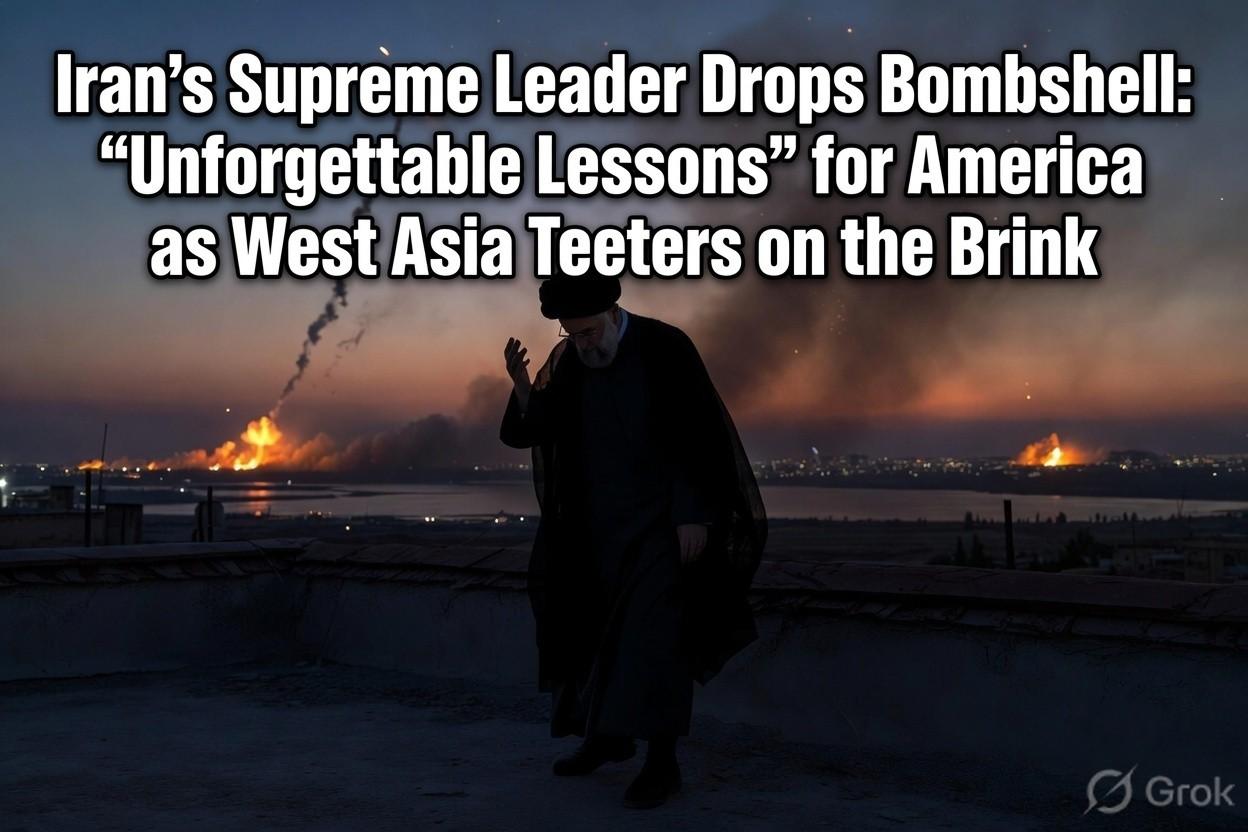
The echoes of conflict in West Asia are growing louder once again. In a statement broadcast on state television, Iran’s Supreme Leader Mojtaba Khamenei delivered a stark message: if the United States persists with its attacks, the Iranian people and the broader Axis of Resistance stand ready to deliver “unforgettable lessons.”
This latest escalation comes against the backdrop of a tenuous memorandum of understanding (MoU) signed in June 2026 between Iran and the U.S., intended to wind down hostilities that erupted earlier in the year. That agreement, which included provisions for managing traffic in the vital Strait of Hormuz and temporary sanctions relief, appears under immense strain. Renewed strikes by U.S. forces targeting Iranian military sites—surveillance, logistics, and maritime capabilities—have prompted Iranian retaliation and a suspension of commitments by Tehran.
Mojtaba Khamenei, who succeeded his father Ayatollah Ali Khamenei following the latter’s death in the initial phases of the conflict, has remained largely out of public view. His written message, read aloud, not only accuses the U.S. of violating the deal—dismissing President Donald Trump’s commitments as “worthless”—but frames the resistance as both national and ideological. It taps into deep-seated grievances, invoking the “Great Satan” rhetoric familiar from decades of strained relations.
Roots of the Current Flashpoint
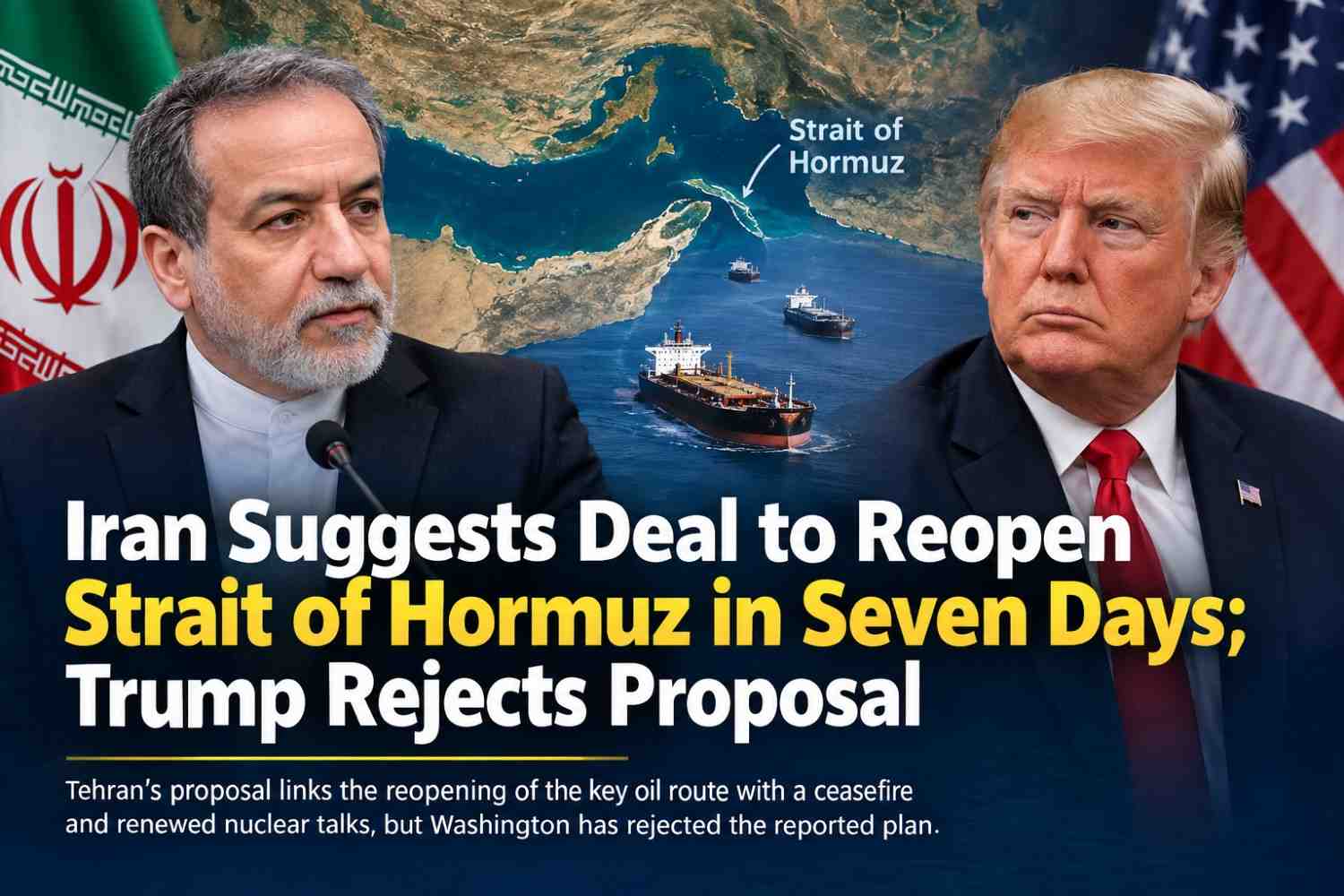
Tensions trace back to early 2026, when U.S. and Israeli strikes hit Iranian targets, resulting in the death of the elder Khamenei. A fragile ceasefire and subsequent diplomatic efforts, including talks in Doha and other venues, offered brief hope for de-escalation. The MoU aimed to address nuclear concerns, oil exports, and freedom of navigation. Yet disputes over control of the Strait of Hormuz—a chokepoint carrying about 20% of global oil—quickly undermined progress. Iran has asserted influence over shipping routes, leading to incidents involving commercial vessels and prompting U.S. responses to safeguard navigation.
For Iran, these actions represent not just military pressure but an existential challenge to its sovereignty and regional role. The leadership views the Axis of Resistance—encompassing allies in Lebanon, Yemen, Iraq, and beyond—as a deterrent network hardened by years of proxy conflicts. Khamenei’s warning underscores a strategy of asymmetric response: leveraging missiles, drones, and allied militias to impose costs that could deter further U.S. involvement.
From the American perspective, the strikes target capabilities that threaten international shipping and allies. U.S. Central Command has reported multiple nights of operations aimed at degrading these threats without seeking full-scale war. President Trump has projected strength, warning of overwhelming force if red lines are crossed, while keeping diplomatic channels open through envoys.
Broader Implications and Human Costs
This cycle of strikes and counterstrikes carries significant risks. Economically, any prolonged disruption in the Strait of Hormuz could spike global energy prices, affecting markets far beyond the region. Diplomatically, it complicates efforts to stabilize Lebanon, Gaza, and other hotspots where Iranian-backed groups operate. Domestically in Iran, the rhetoric rallies support around the new leadership, portraying resilience amid reconstruction challenges and mourning for past losses.
Analysts note a pattern: short bursts of intensity followed by mediation attempts, often involving regional players like Oman or Qatar. Yet trust remains elusive. Iran’s suspension of the deal highlights perceptions of bad faith, while the U.S. emphasizes enforcement of navigation rights. The “unforgettable lessons” phrase evokes a long memory of sanctions, assassinations, and military posturing—fueling a narrative of defiance that sustains the Islamic Republic’s ideological core.
Looking ahead, the path to lasting calm demands more than ceasefires. It requires addressing core security dilemmas: Iran’s nuclear ambitions and regional influence versus concerns over proliferation and proxy warfare. Pragmatic voices on both sides have engaged before; whether they can prevail amid hardline pressures will shape the coming months. For now, the region holds its breath, as one statement reignites debates over power, pride, and the price of escalation.
The situation evolves rapidly, with potential for both dangerous miscalculation and renewed talks. Understanding these dynamics reveals not just geopolitical chess, but the human stakes for millions living under the shadow of uncertainty.
"The decisions we make today will shape the world for generations to come."