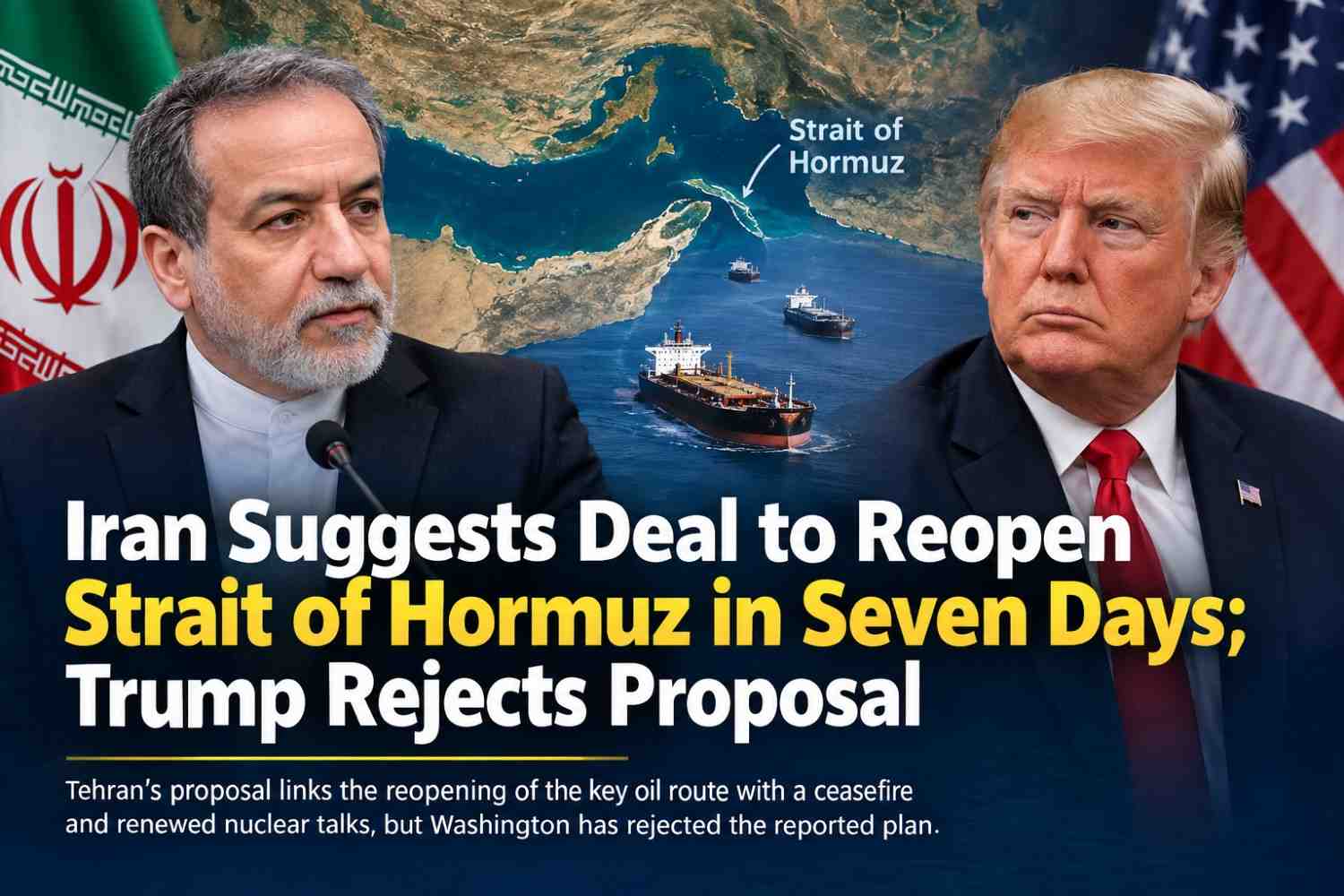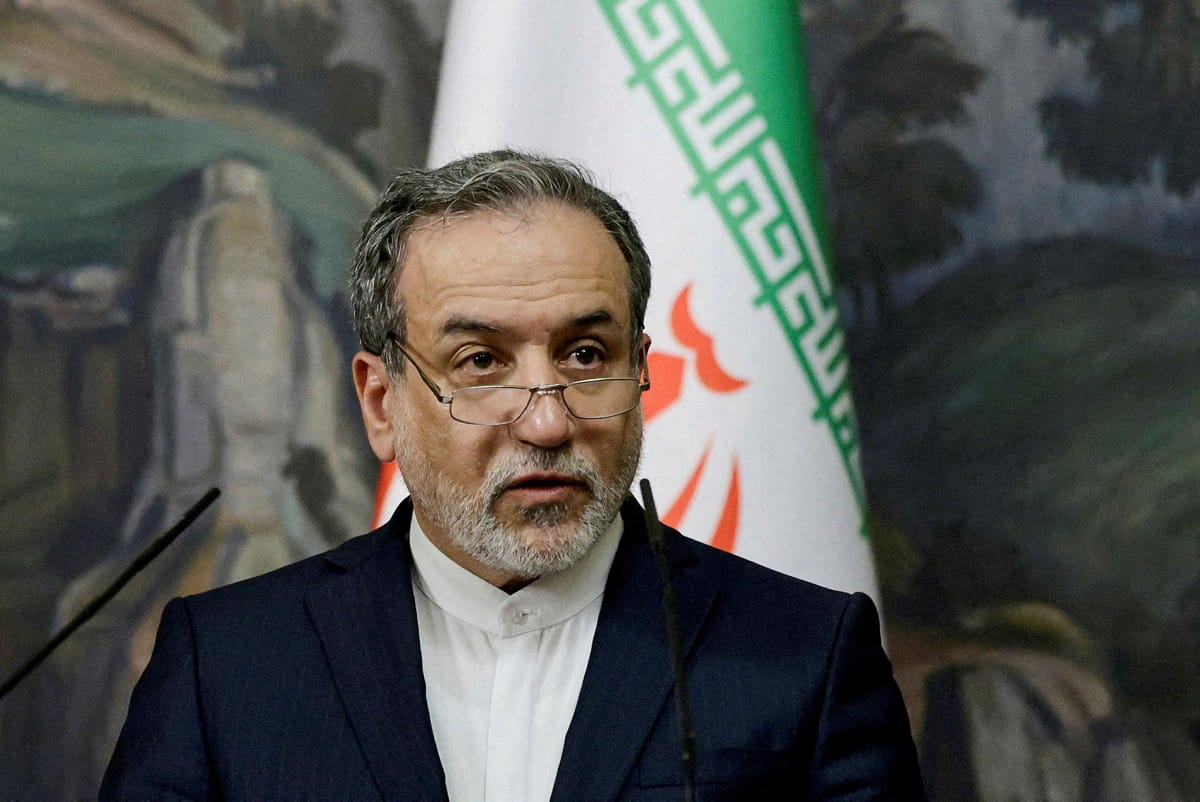
In a development attracting widespread international attention, recent diplomatic engagements between Iran and the United States have once again placed nuclear negotiations at the center of global focus. After years of strained relations and intermittent hostilities, representatives from both nations engaged in indirect discussions in Muscat, Oman, with a clear emphasis on the future of Iran’s nuclear program.
Unlike traditional face-to-face dialogues, the talks were conducted through intermediaries, a strategic choice aimed at reducing political friction and fostering a more constructive environment. This format allowed both sides to communicate their positions without the pressure of direct confrontation, an approach that reflects the deep mistrust that has long characterized Iran–US relations.
Iranian officials have been explicit in framing the conversation solely around their nuclear activities. According to statements from Tehran, the objective of the discussions was not to expand into other contentious areas—such as regional security dynamics or ballistic missile development—but rather to focus strictly on nuclear transparency and limitations. This narrow but targeted scope aims to keep the negotiations manageable and grounded in mutual interests.
On the American side, officials described the dialogue as serious and substantive, underscoring the importance of addressing nuclear concerns through diplomatic avenues. While Washington has historically maintained pressure on Iran through sanctions and international coalitions, this recent engagement marks a more nuanced attempt at negotiation—one aimed at lowering tensions and reducing the risks of escalation.
Analysts suggest that even though the current talks are limited in scope, they could have far-reaching implications. A successful negotiation could pave the way for renewed agreements on nuclear inspections and safeguards, potentially enhancing regional stability. Furthermore, this diplomatic effort may serve as a foundation for broader discussions in the future, even if those remain distant prospects at present.
Despite these cautious advances, significant challenges remain. Years of political antagonism and competing strategic interests mean that trust between Tehran and Washington is fragile at best. However, the very fact that both sides agreed to engage—even indirectly—could signal a subtle shift in approach, one that prioritizes structured diplomacy over unilateral pressure.
As global attention remains fixed on these unfolding discussions, observers will be watching closely to see whether this dialogue can evolve into meaningful progress. For now, the talks represent an initial but noteworthy effort to address one of the most persistent security issues of the 21st century: nuclear proliferation and international trust.
"The decisions we make today will shape the world for generations to come."