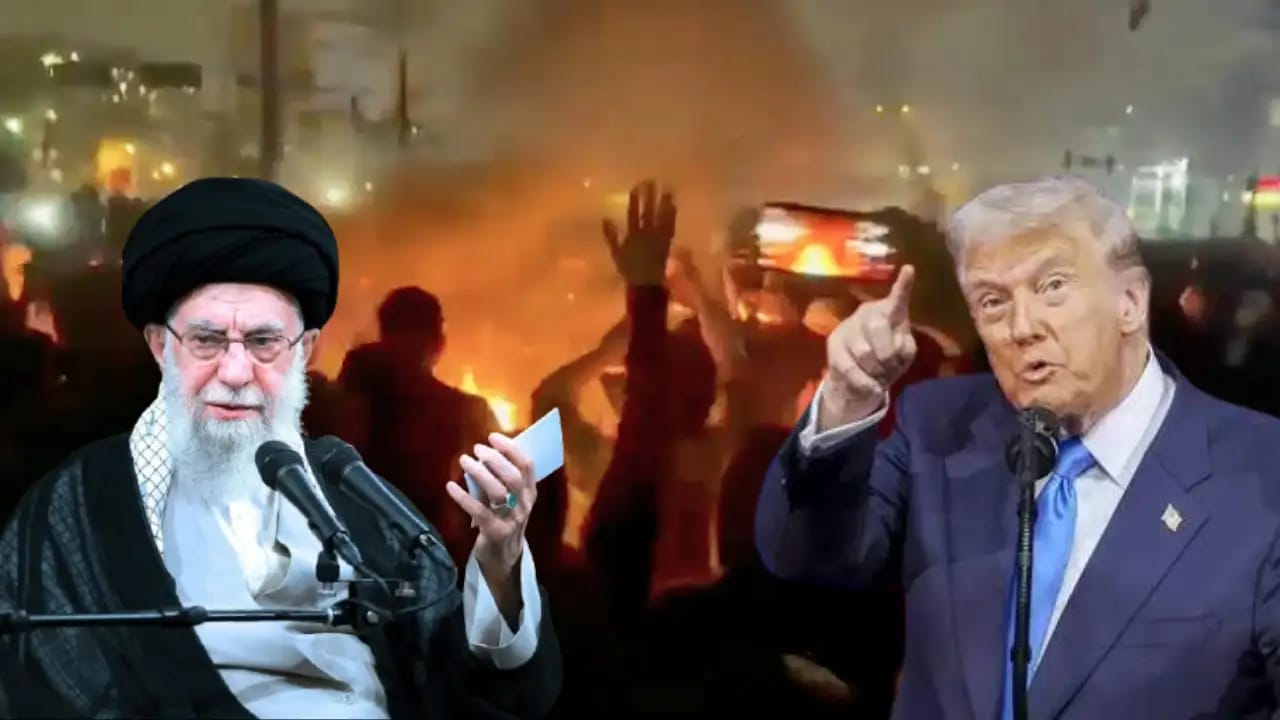
Rising geopolitical tensions in the Middle East have taken a serious turn after Iran issued a stark warning to the United States over the growing American military presence in the region. Tehran has made it clear that any military action against it—no matter how limited—would be treated as an act of full-scale war, significantly raising concerns of a wider regional conflict.
Iran’s Strong Message to Washington
Senior Iranian officials have publicly stated that the recent movement of US naval and air assets toward the Middle East is being closely monitored. According to Tehran, this military build-up sends a hostile signal at a time when the region is already facing extreme instability. Iranian leaders stressed that their armed forces are on high alert and fully prepared to respond decisively if the country’s sovereignty is threatened.
Iran’s warning appears aimed at deterrence. By labeling any possible strike as “all-out war,” Tehran is signaling that even a limited military operation would trigger a severe and wide-ranging response. This approach reflects Iran’s long-standing strategy of discouraging foreign intervention through strong rhetoric and preparedness.
US Military Presence and Strategic Intent
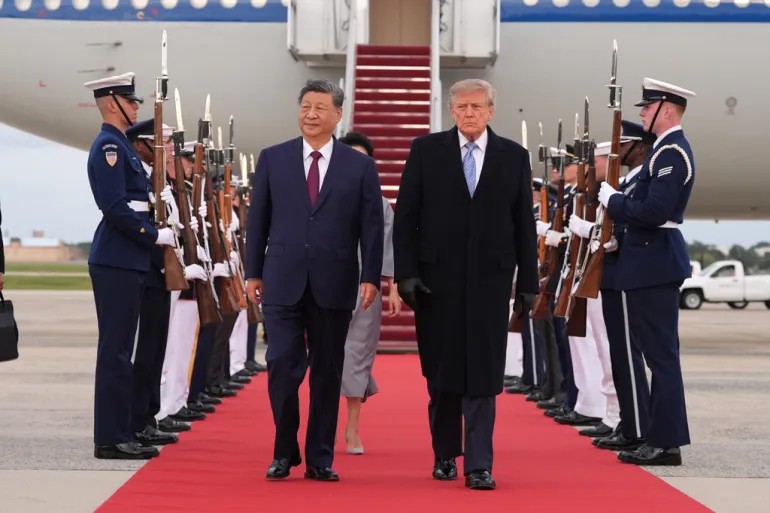
The United States has recently reinforced its military footprint in the Middle East, deploying warships, aircraft, and support systems. US officials have described the move as a precautionary measure designed to protect American interests and allies, and to deter potential aggression. However, the scale of the deployment has fueled fears that the situation could spiral out of control.
While Washington has not announced any immediate plans for direct military action, the visible show of force has added to mistrust between the two sides. Analysts warn that heavy military concentration in a volatile region increases the risk of miscalculation or accidental confrontation.
Regional and Global Implications
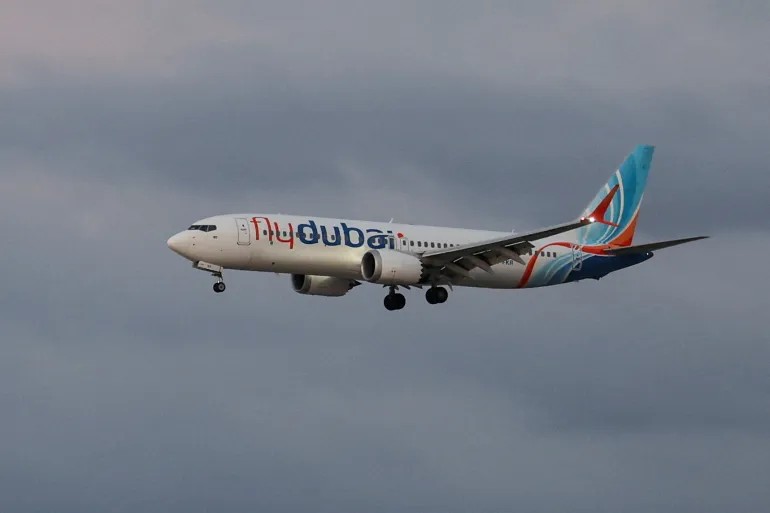
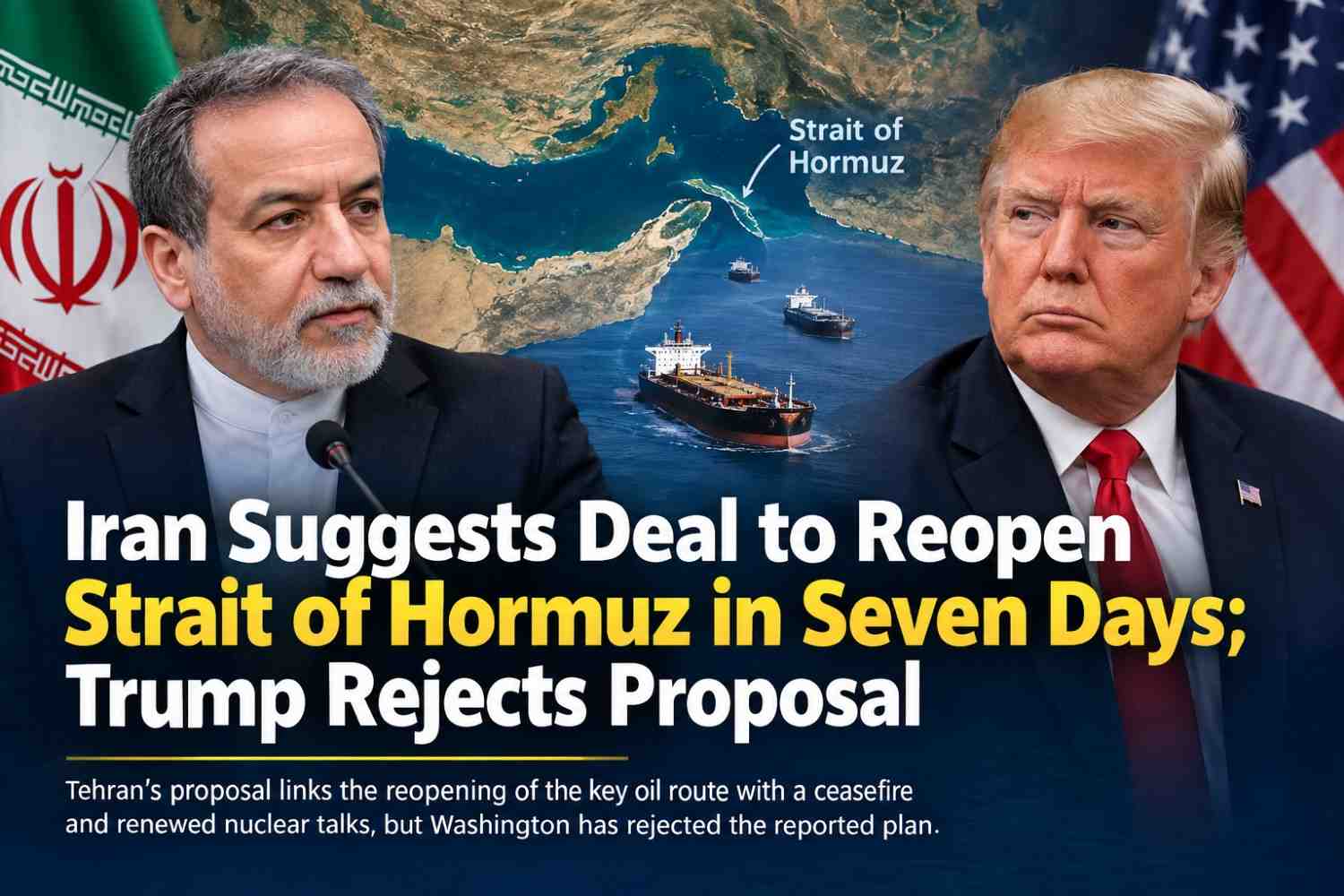
The escalating rhetoric has already begun to affect the wider region. Several international airlines have adjusted or suspended flights through Middle Eastern airspace due to security concerns. Energy markets are also watching developments closely, as any conflict involving Iran could disrupt oil supplies and push prices higher globally.
Beyond economics, a direct confrontation between the US and Iran would have far-reaching geopolitical consequences. It could draw in regional players, intensify proxy conflicts, and further destabilize an area that has seen years of unrest.
A Delicate Moment for Diplomacy
Despite the aggressive tone, diplomatic channels have not been completely shut. Historically, both sides have relied on indirect communication through regional mediators to prevent escalation. Experts believe diplomacy remains the only viable path to de-escalation, especially given the high cost of conflict for all parties involved.
"The decisions we make today will shape the world for generations to come."