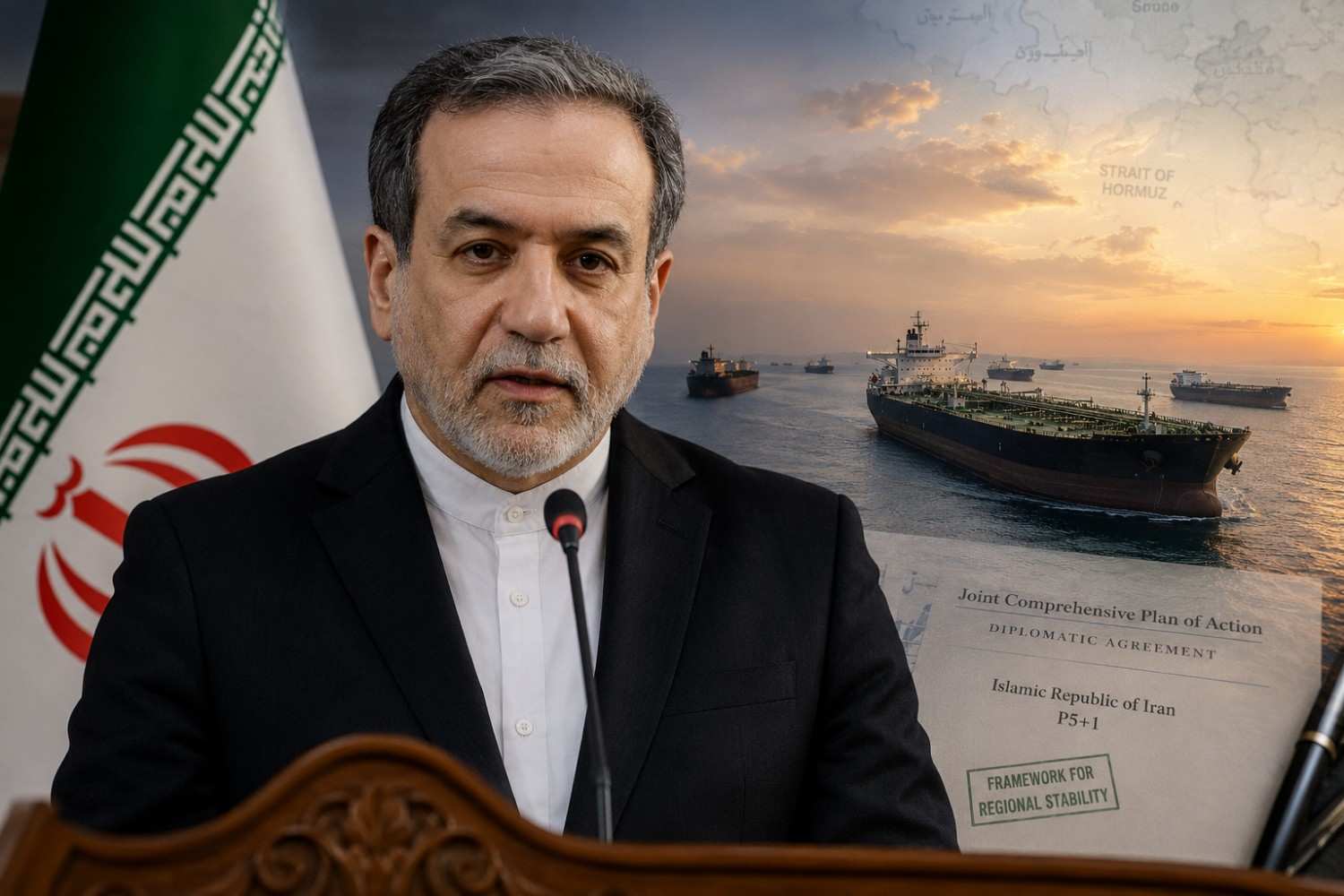
Iranian Foreign Minister Abbas Araghchi delivered a measured yet optimistic update on June 12, declaring that the potential agreement with the United States “has never been closer.” Referring to it as the “Islamabad Memorandum of Understanding,” he advised media outlets to avoid speculation about its contents, promising full transparency once finalization is complete.
This statement builds on recent momentum from both capitals. US President Donald Trump has signaled strong confidence in an imminent framework, including cancellation of planned strikes. Vice President JD Vance reinforced the administration’s red lines, emphasizing performance-based benefits for Iran, strong protections for American interests, and no immediate cash releases.
The reference to the Islamabad Memorandum points to ongoing diplomatic efforts mediated partly through Pakistan, where earlier rounds of talks addressed core issues like sanctions relief, naval operations in the Strait of Hormuz, military positioning, and Iran’s nuclear program. Araghchi’s language strikes a careful balance—highlighting proximity to agreement without claiming completion—consistent with prior Iranian positions that large parts of the text are finalized but still under leadership review.
Markets have reacted positively to the steady stream of hopeful signals. Oil prices continued easing on June 12 as reduced geopolitical risk premiums and prospects for smoother energy flows through Hormuz weighed in. For energy-importing economies like India, credible progress offers potential relief on import costs, the current account, and inflationary pressures.
The broader context remains complex. Parallel tensions, including Israeli operations in southern Lebanon near Bayada in the Tyre district, could benefit from any US-Iran de-escalation. Yet history cautions patience: previous near-misses in these negotiations have shown how implementation details, verification mechanisms, and sequencing of concessions can create last-minute hurdles.
Araghchi’s call for responsible reporting reflects awareness of how unverified claims can complicate sensitive talks. As details emerge, key watchpoints will include formal Iranian leadership approval, visible steps on maritime freedom or sanctions easing, and any corresponding calm on related battlefronts.
In a region marked by deep mistrust, the Foreign Minister’s assertion injects renewed diplomatic energy. If translated into a verifiable and implemented agreement, it could mark a significant turning point toward greater stability and economic normalization.
Disclaimer: This article provides analysis of geopolitical developments and their observed effects on markets, particularly energy prices. It is for informational purposes only and does not constitute financial, investment, or trading advice. Oil and equity markets are highly volatile and can be influenced by many unpredictable factors. Readers should verify information independently and consult qualified professionals before making any decisions. Past reactions are not indicative of future performance.
"The decisions we make today will shape the world for generations to come."