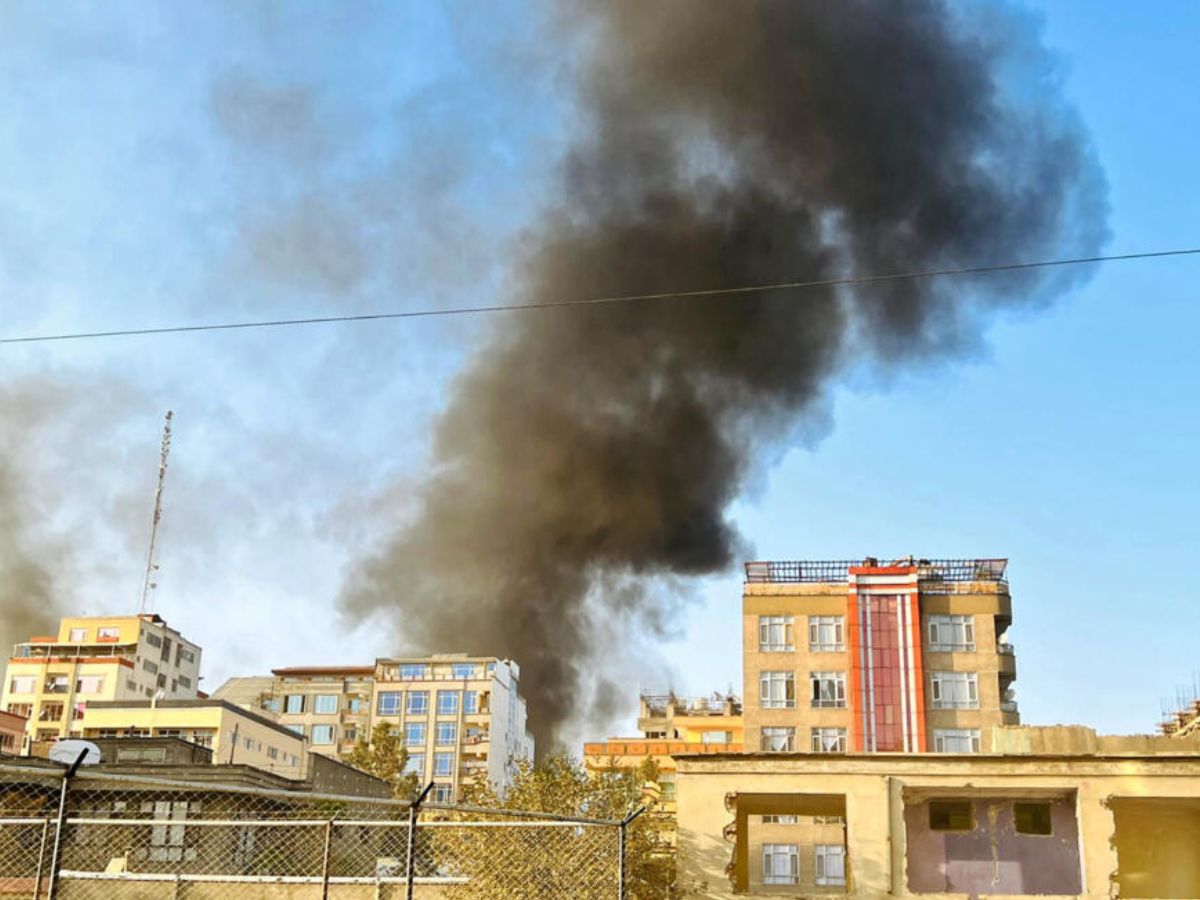
Tensions between Pakistan and Afghanistan have once again escalated following reports of Pakistani airstrikes targeting suspected militant hideouts across the border. While headlines have dramatically framed the situation as “Pakistan bombs Kabul,” the deeper story reflects a complex mix of security concerns, political distrust, and historical disputes.
What Happened?
According to official statements from Islamabad, the strikes were aimed at militant positions allegedly linked to the Tehrik-i-Taliban Pakistan (TTP). Pakistan has repeatedly accused TTP fighters of operating from Afghan soil and launching attacks inside Pakistani territory.
Afghan authorities, led by the Taliban administration, strongly condemned the strikes, calling them a violation of national sovereignty. While Kabul was mentioned prominently in media reports, most military activity reportedly occurred in eastern border provinces.
Why Are They Fighting?
The current tensions stem from multiple overlapping issues:
1. Militant Safe Havens
Pakistan maintains that TTP elements regrouped in Afghanistan after 2021 and intensified attacks on Pakistani security forces. Afghanistan denies officially harboring militants but has struggled to control all armed factions within its borders.
2. The Durand Line Dispute
The long-standing disagreement over the Durand Line — the colonial-era border dividing the two countries — continues to fuel mistrust. Afghanistan has historically questioned the legitimacy of this boundary, while Pakistan considers it internationally recognized.
3. Post-2021 Power Shift
After the Taliban returned to power in 2021, Islamabad initially expected improved cooperation. However, instead of stability, cross-border incidents have reportedly increased, straining diplomatic ties.
4. Domestic Pressures
Both governments face internal political and security challenges. Taking a firm stance externally often serves as a message to domestic audiences.
Regional Implications
The escalation has drawn concern from neighboring countries wary of instability spreading across South Asia. Analysts warn that continued military exchanges could deepen humanitarian challenges and destabilize already fragile border communities.
What’s Next?
Diplomatic channels remain open, but trust is thin. Experts suggest intelligence-sharing mechanisms and border coordination as possible solutions. However, without mutual confidence and action against militant networks, tensions may persist.
"The decisions we make today will shape the world for generations to come."