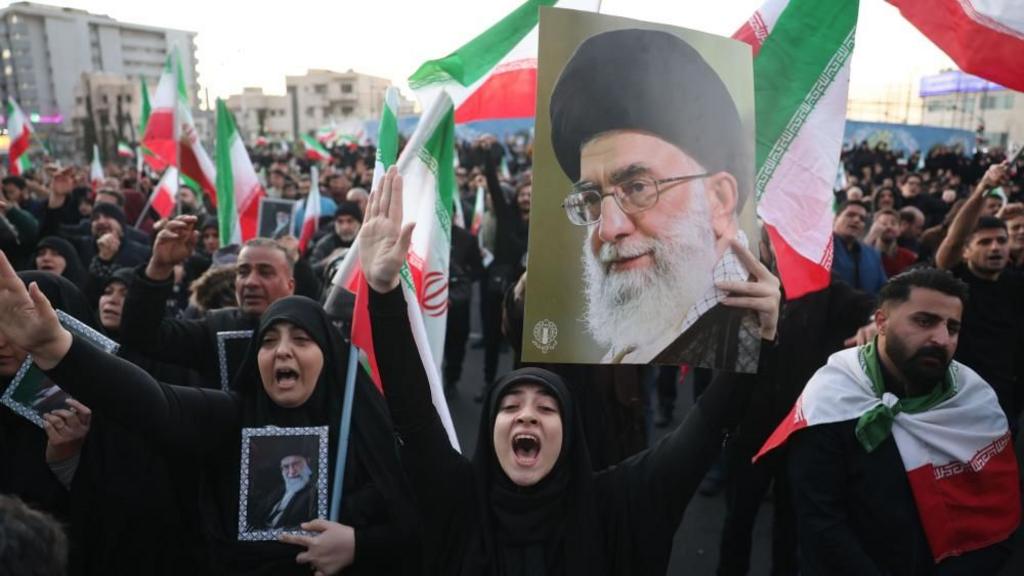
West Asia is once again at the center of global attention after conflicting claims emerged regarding the status of Iran’s Supreme Leader, Ayatollah Ali Khamenei. Reports circulating in sections of Israeli and American media suggested that Khamenei may have been killed during recent airstrikes. However, Iran has strongly denied these claims, labeling them as part of an orchestrated misinformation campaign.
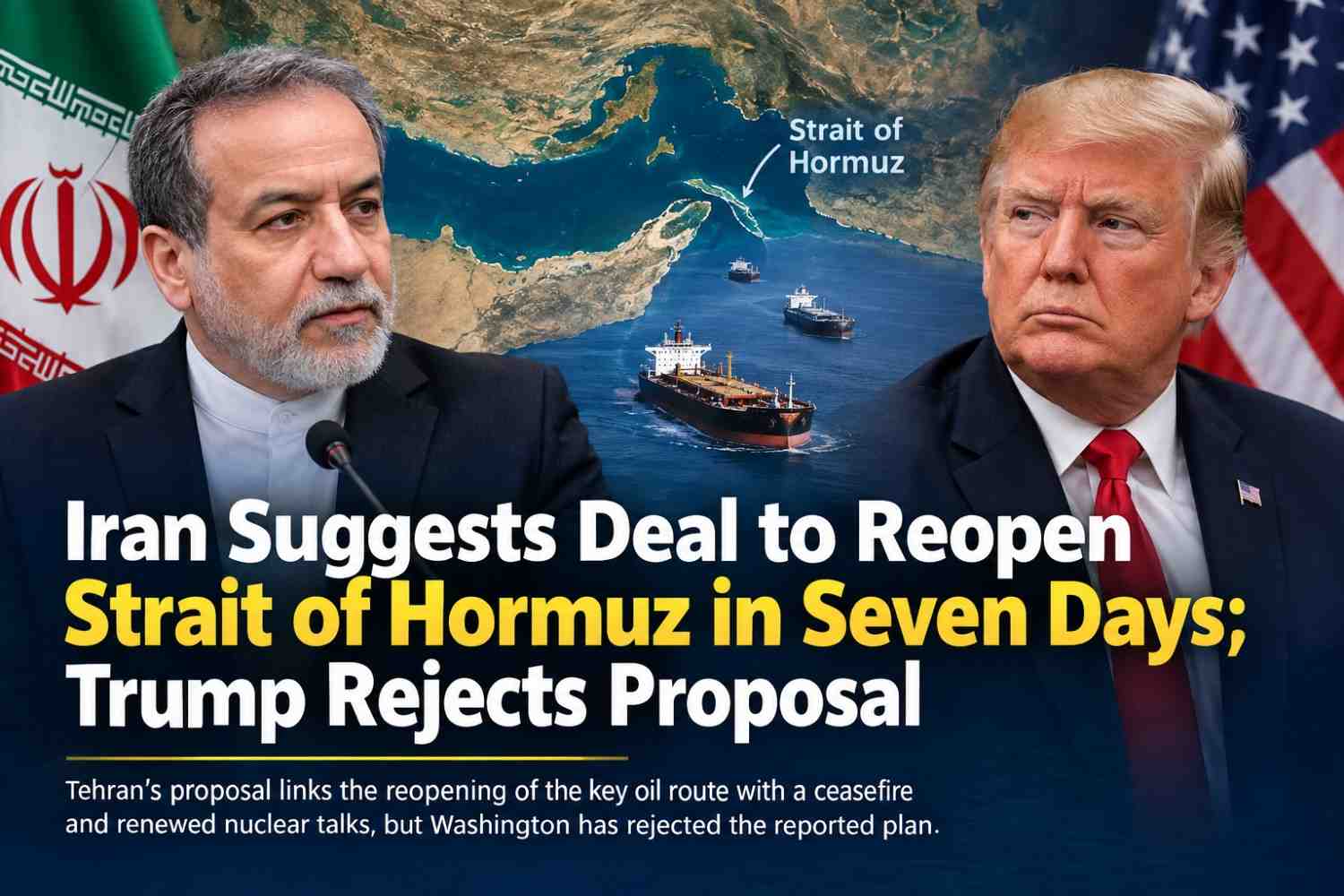
The controversy escalated after Israeli Prime Minister Benjamin Netanyahu hinted that there were “strong indications” that Khamenei was no longer alive. Shortly after, former U.S. President Donald Trump made remarks suggesting intensified military operations against Iranian targets, further fueling speculation.
In response, Iranian officials swiftly dismissed the reports. Tehran described the claims as “mental warfare” and accused its adversaries of attempting to destabilize the country internally by spreading unverified information. State-linked outlets emphasized that the leadership structure remains intact and functional despite the ongoing strikes.
Iran’s Foreign Ministry reiterated that no credible evidence has emerged confirming any harm to Khamenei. Officials argued that such narratives are designed to create confusion among the Iranian public and project an image of internal collapse.
The unfolding situation reflects the broader geopolitical volatility in the region. Military exchanges between Israel and Iran-backed groups have intensified, and diplomatic channels remain strained. Analysts believe that in times of heightened conflict, information warfare often accompanies conventional military action.
For now, there is no independently verified confirmation of Khamenei’s death. The situation remains fluid, and global observers are closely monitoring official statements from Tehran and international intelligence sources.
"The decisions we make today will shape the world for generations to come."