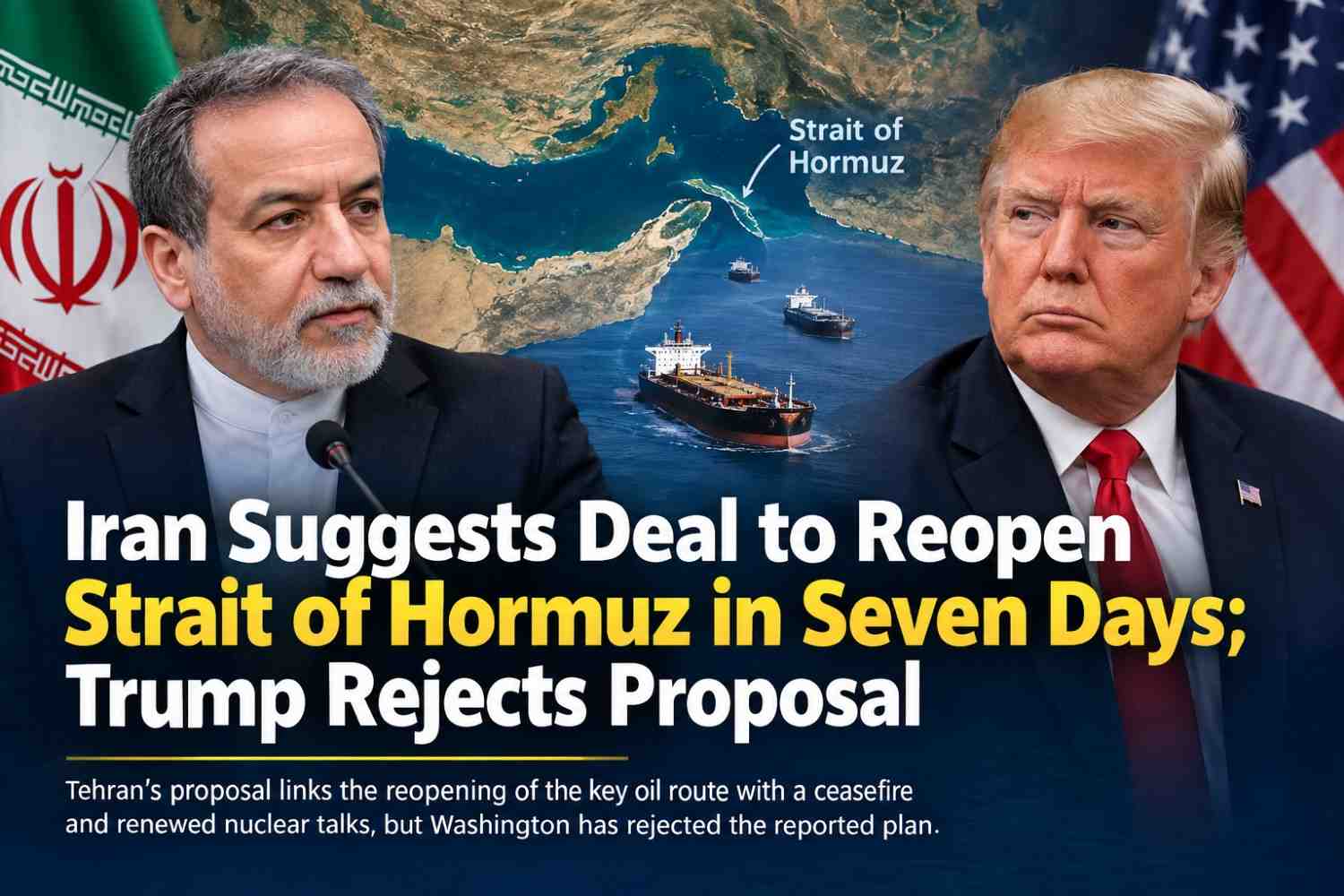
The conflict between Israel and Iran has entered a volatile new phase, with fresh military developments unfolding across multiple countries. In a significant escalation, Israeli forces launched airstrikes on positions linked to Hezbollah in Beirut, while two drones struck the U.S. Embassy Riyadh, intensifying fears of a broader regional war.
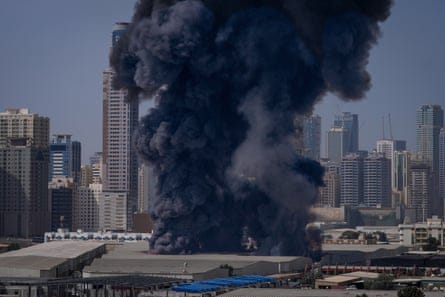
According to military officials, the Israel Defense Forces carried out precision strikes targeting what it described as command centers and weapons storage facilities used by Hezbollah. The strikes reportedly focused on strongholds in southern Beirut, an area long considered a strategic base for the Iran-backed group. Explosions were heard across parts of the Lebanese capital, with emergency services responding to damaged buildings and civilian casualties.
Israeli authorities stated that the operation was aimed at neutralizing immediate threats, following recent cross-border rocket and drone launches allegedly carried out by Hezbollah. The Lebanese government has condemned the strikes, warning that continued military exchanges could destabilize the country further.
Meanwhile, tensions expanded beyond Lebanon when two unmanned aerial vehicles targeted the U.S. diplomatic compound in Riyadh, Saudi Arabia. Security forces reportedly intercepted one drone, while the other caused minor structural damage within the compound. No casualties have been officially confirmed.
Although no group immediately claimed responsibility, analysts suggest the attack could be part of a broader pattern of retaliation linked to the intensifying Israel-Iran confrontation. The incident has prompted heightened security measures across Gulf nations, with embassies and critical infrastructure placed on alert.
International observers warn that the conflict risks expanding into a multi-front regional crisis involving state and non-state actors. Diplomatic channels remain active, but with military exchanges growing in frequency and intensity, prospects for immediate de-escalation appear uncertain.
As the situation develops, global leaders are urging restraint, fearing that continued escalation could have far-reaching consequences for regional stability, energy markets, and international security.
"The decisions we make today will shape the world for generations to come."