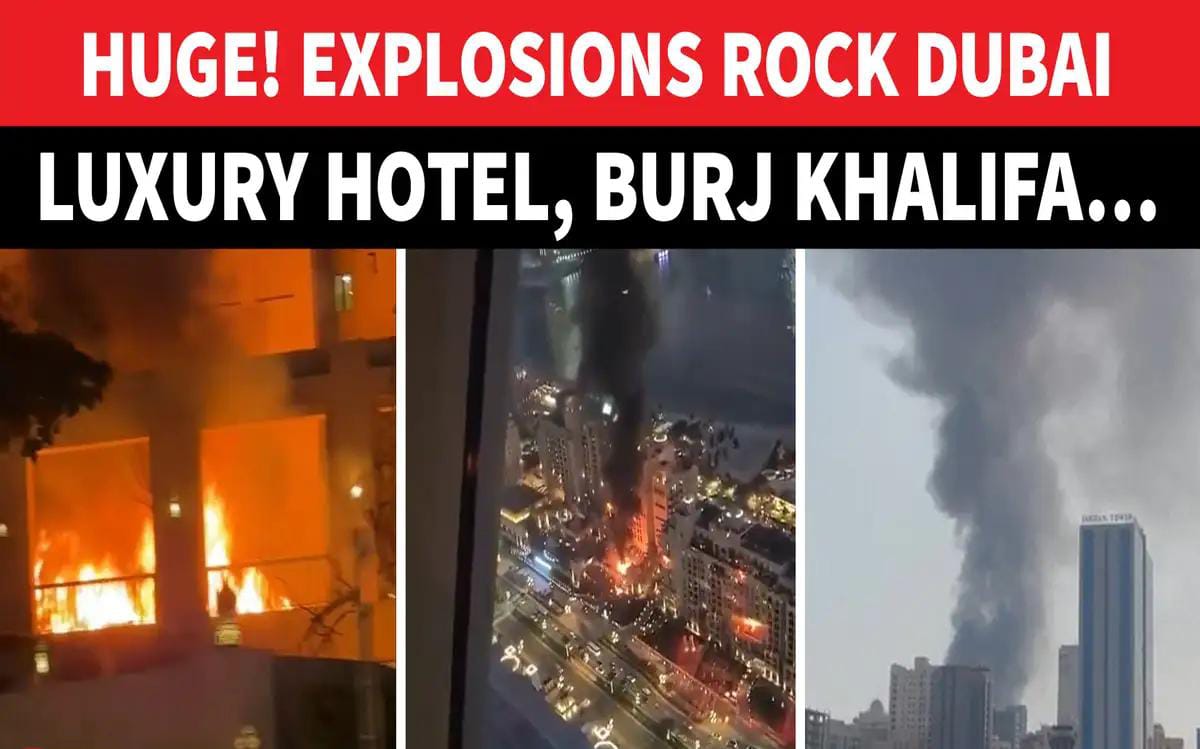
In a dramatic escalation of Middle East tensions, Iran launched a barrage of missiles and drones toward Gulf nations on 28 February 2026, triggering explosions across Dubai and raising fresh fears of a wider regional war. The strikes came in response to earlier military operations conducted by the United States and Israel against Iranian targets, marking one of the most volatile moments in the region in recent years.
According to official statements and international reports, multiple projectiles were intercepted over the Dubai skyline. However, falling debris from those interceptions caused damage in several high-profile areas, including Palm Jumeirah, the luxury hotel Burj Al Arab, and parts of Dubai International Airport.
Damage and Casualties
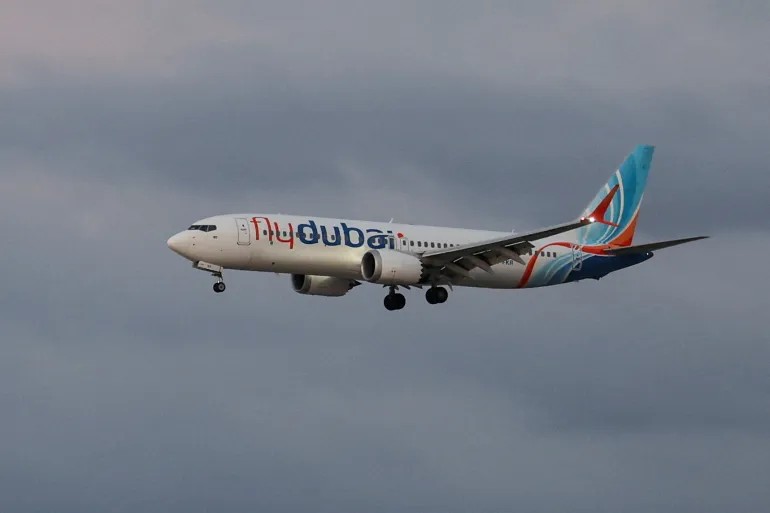
At Dubai International Airport, a section of a terminal reportedly sustained structural damage, and several airport staff members were injured. Emergency services responded swiftly, containing small fires caused by debris impact. Flights were temporarily suspended as authorities closed airspace to assess the security situation.
On Palm Jumeirah, explosions were heard near residential and hotel zones. While most incoming threats were intercepted by UAE air defence systems, fragments falling from the sky caused localized fires. The Burj Al Arab, one of the city’s most recognized landmarks, experienced minor exterior damage after debris struck its upper façade. Officials confirmed that the blaze was quickly controlled and that there were no major casualties at the hotel.
A Broader Regional Crisis
The UAE was not alone. Reports indicate that other Gulf states also experienced air defence engagements as part of Iran’s wider retaliation strategy. Analysts describe the strike as symbolic as much as strategic—targeting globally recognized economic hubs to send a political message rather than to inflict mass destruction.
Security experts suggest that the majority of damage resulted from defensive interceptions rather than direct missile impacts. Nevertheless, the psychological and economic implications are significant. Dubai has long positioned itself as one of the safest and most stable cities in the Middle East, and even limited damage challenges that perception.
Economic and Global Impact
The temporary shutdown of airspace disrupted international travel routes connecting Europe, Asia, and Africa. Global airlines were forced to reroute flights, and oil markets reacted sharply to the spike in geopolitical risk.
While UAE authorities reassured residents and investors that security remains under control, the incident highlights how quickly regional tensions can spill over into global commercial centers.
What Comes Next?
Diplomatic efforts are reportedly underway to prevent further escalation. However, with tensions between Iran, Israel, and Western allies at a peak, analysts warn that the situation remains fragile.
The events of 28 February may ultimately be remembered as a turning point—when a distant conflict briefly set the skies over Dubai ablaze and reminded the world of the Gulf’s strategic vulnerability.
"The decisions we make today will shape the world for generations to come."