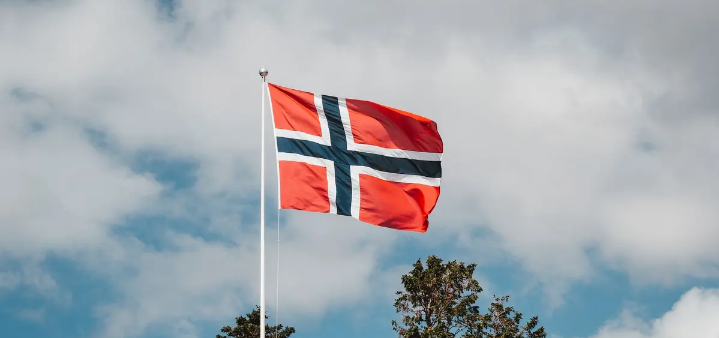
In February 2026, the Norwegian Police Security Service (PST) released its annual National Threat Assessment, confirming that Norway’s national terrorism threat level remains at Level 3: Moderate. On a five-step scale, this designation indicates a complex security environment where "one or more persons may intend to carry out an attack," though specific, realistic plans have not yet been identified.
While "Moderate" might suggest a plateau, the 2026 report—presented alongside the Norwegian Intelligence Service (NIS) and the National Security Authority (NSM)—paints a picture of a nation facing its most precarious security inflection point since World War II.
The Three Pillars of the Current Threat
The "Level 3" status is driven by a convergence of traditional extremism and modern hybrid warfare. Security officials highlight three primary drivers:
* State-Sponsored Proxy Threats: A significant shift in 2026 is the role of state actors (notably Russia, China, and Iran) utilizing proxy networks. The PST warns that the Islamic Revolutionary Guard Corps (IRGC) may leverage criminal networks to mask state attribution for potential acts of sabotage or violence.
* The "Youthification" of Radicalization: There is a documented trend of minors and young adults being radicalized via digital platforms. The PST notes that the line between online fascination with violence and ideological commitment is increasingly blurred.
* Geopolitical Friction in the Arctic: As a "NATO Northern Flank" guardian, Norway's military targets and energy infrastructure are under persistent surveillance by Russian intelligence services, specifically targeting the Svalbard archipelago and allied exercises.
Understanding the PST Threat Scale
To maintain public transparency, the PST utilizes a standardized 5-level scale to communicate the severity of the threat landscape:
| Level | Designation | Definition |
| 1 | None | No known intent or factors heightening the threat. |
| 2 | Low | Few people with intent; few heightening factors. |
| 3 | Moderate | Intent exists, but no active steps or realistic plans are yet detected. |
| 4 | High | Specific, realistic plans exist; active steps are being taken. |
| 5 | Critical | An attack is imminent or has already occurred with more expected. |
The "Total Defence" Reality
In response to this "Moderate" yet serious landscape, the Norwegian government has operationalized the Total Defence Year 2026 framework. This doctrine shifts the burden of security from just the military to a "whole-of-society" approach.
> "The world order as we have known it is crumbling," noted the Norwegian Intelligence Service in their Focus 2026 report. "Resilience now depends on the coordination between civilian authorities, the private sector, and an informed public."
>
For businesses and citizens, this means a heightened focus on digital hygiene to counter AI-driven social engineering and a requirement for critical infrastructure providers to maintain high readiness against physical and cyber sabotage.
Norway's Level 3 status is a call for "vigilance without alarm." It reflects a state of persistent competition where the boundaries between peace and crisis are increasingly thin. While the immediate probability of an attack is not categorized as "high," the complexity of the actors involved—from lone-wolf extremists to state-backed proxies—demands a robust and unified national response.
"The decisions we make today will shape the world for generations to come."