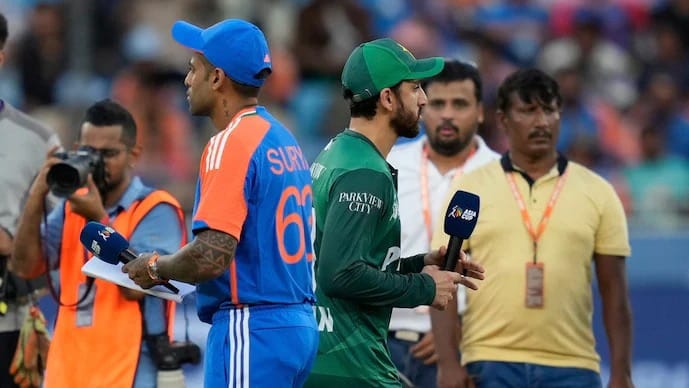
In a development that has drawn global attention, Pakistan has announced its decision to boycott the T20 World Cup match against India, while continuing to participate in the rest of the ICC Men’s T20 World Cup 2026. The much-anticipated India-Pakistan clash was scheduled to take place during the group stage of the tournament.
According to official statements, Pakistan’s decision is rooted in broader concerns surrounding tournament arrangements and regional sensitivities. While the Pakistan cricket team remains committed to competing in the World Cup, the government has taken a firm stance on skipping the match against India, citing principles of fairness and consistency in international sporting events.
The India-Pakistan cricket rivalry is considered one of the most intense and commercially significant rivalries in world sports. Matches between the two sides attract massive global viewership, making this boycott a potential setback for tournament organizers, broadcasters, and fans alike.
Cricket analysts believe the move could create logistical and regulatory challenges for the International Cricket Council (ICC), which may need to consider alternatives such as points allocation or schedule adjustments. The situation has also reignited debate on how political and diplomatic tensions continue to influence international sports.
As the tournament approaches, all eyes are now on the ICC and participating nations to see how the issue is resolved. Pakistan’s selective boycott highlights the delicate balance between sportsmanship and geopolitics, adding an unexpected layer of complexity to the upcoming T20 World Cup.
"The decisions we make today will shape the world for generations to come."