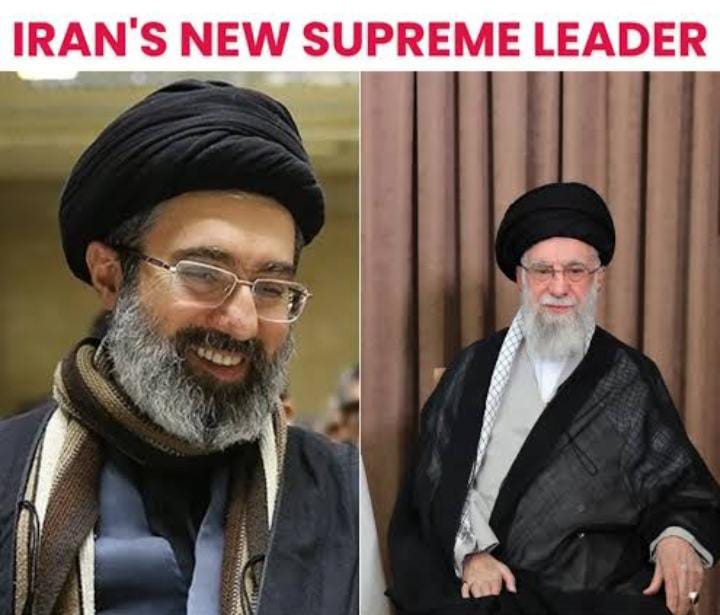
In a major political development, reports claim that Mojtaba Khamenei, son of Iran’s long-serving Supreme Leader Ayatollah Ali Khamenei, has been elected as the country’s new Supreme Leader. The decision was reportedly taken by Iran’s powerful Assembly of Experts following the death of the senior leader.
If confirmed, the appointment would mark one of the most significant leadership transitions in the Islamic Republic’s history and could reshape the country’s domestic and foreign policy direction.
A Historic Leadership Shift
Mojtaba Khamenei, who has largely operated behind the scenes in Iranian politics, is believed to have wielded considerable influence within conservative clerical circles for years. Though he has never held a formal top government post, analysts have often described him as a key figure close to the country’s security establishment.
The leadership selection process in Iran is handled by the Assembly of Experts — an 88-member clerical body tasked with appointing and supervising the Supreme Leader. The body convenes during times of succession and holds constitutional authority to choose the next leader.
Role of the Security Establishment
Several political observers suggest that the powerful Islamic Revolutionary Guard Corps (IRGC) may have played a crucial role in supporting Mojtaba’s elevation. The IRGC remains one of the most influential institutions in Iran, with strong control over military, economic, and strategic affairs.
While there has been no official detailed public statement outlining the internal deliberations, the reported decision indicates continuity in Iran’s hardline political structure rather than a shift toward reform.
Domestic and Global Implications
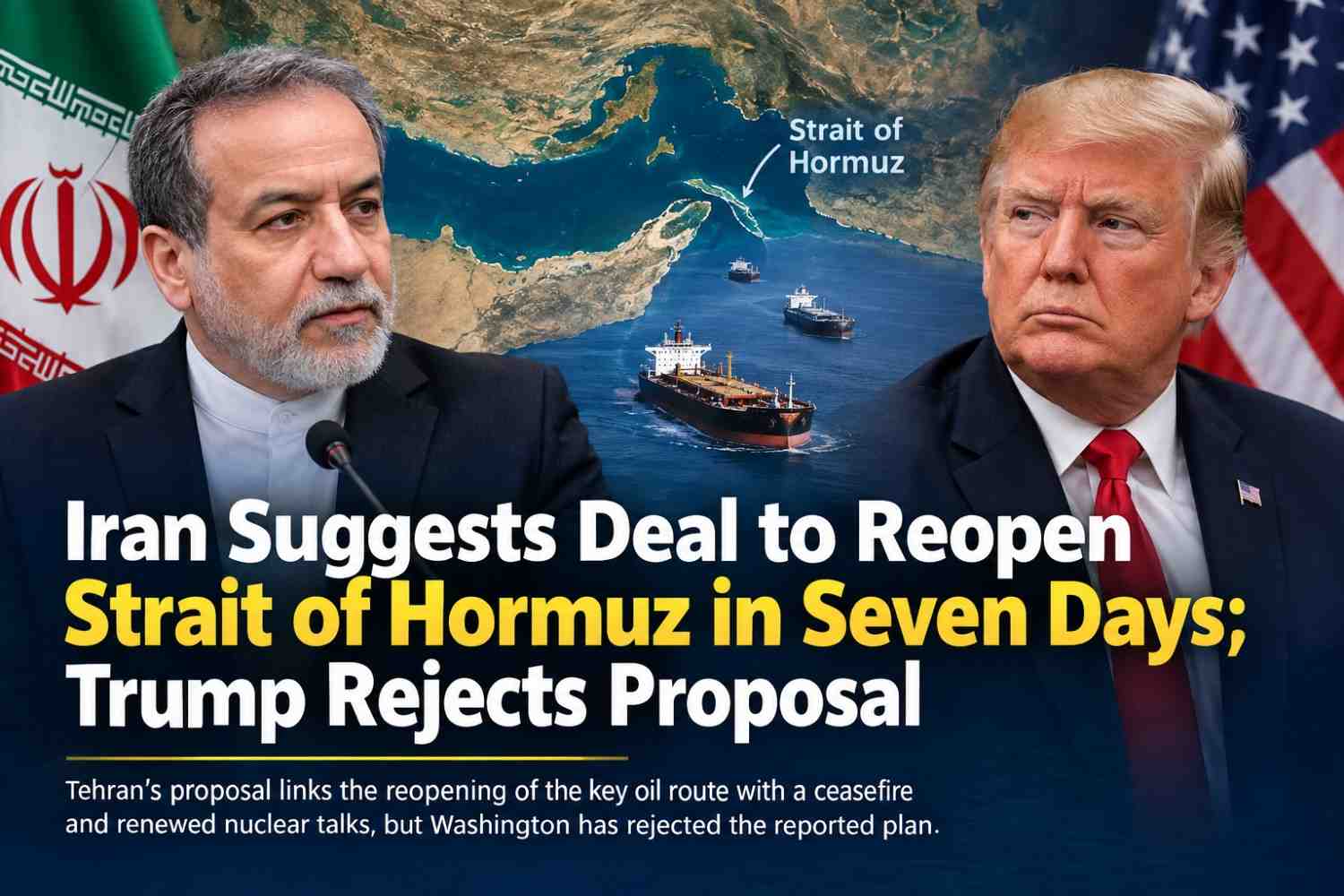
The reported appointment comes at a time when Iran faces mounting international pressure, economic sanctions, and regional security tensions. Leadership continuity could signal a firm stance on issues such as nuclear negotiations, relations with Western nations, and regional alliances.
Domestically, the move may spark debate among political factions. Critics have long questioned the prospect of dynastic succession in a system that officially rejects monarchy. Supporters, however, argue that Mojtaba’s deep understanding of Iran’s clerical and political system ensures stability during a sensitive transition period.
What Happens Next?
The coming weeks will be crucial in determining how the new leadership consolidates authority and addresses ongoing challenges. Observers will closely watch policy signals, cabinet adjustments, and diplomatic messaging for clues about Iran’s strategic direction under its reported new Supreme Leader.
If confirmed formally, this transition would represent a defining moment in Iran’s post-revolution history — one that could influence the geopolitical balance of the Middle East for years to come.
"The decisions we make today will shape the world for generations to come."