The expiration of the New Strategic Arms Reduction Treaty (New START), the last remaining nuclear arms control agreement between the United States and Russia, has raised fresh concerns about global security and strategic stability. In response, Russia has assured the international community that it will continue to act responsibly as a nuclear power, even without a legally binding framework in place.
What Was the New START Treaty?
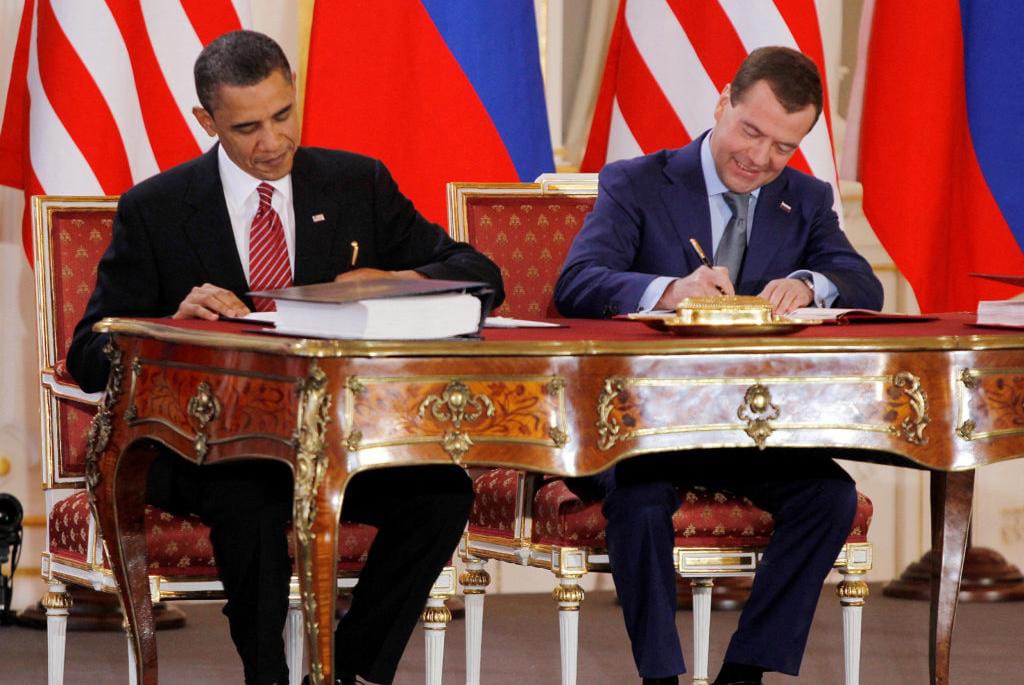
Signed in 2010 and later extended, the New START Treaty was designed to limit the world’s two largest nuclear arsenals. Under the agreement, both countries were restricted to deploying no more than 1,550 strategic nuclear warheads, along with strict limits on missiles, bombers, and launch systems.
The treaty also included regular inspections and verification mechanisms to ensure transparency and build trust between the two nations. Its expiration marks the end of the last formal nuclear arms control pact between Washington and Moscow.
Russia’s Position
Following the treaty’s expiry, the Kremlin stated that Russia would maintain a responsible and balanced approach toward nuclear weapons. Officials emphasized that Moscow understands its role in preserving global stability and will avoid actions that could escalate tensions.
At the same time, Russian authorities expressed regret over the collapse of arms control arrangements and blamed deteriorating relations with the United States for the lack of progress on extending or replacing the agreement.
Why the Expiry Matters
Security analysts warn that the absence of the treaty could lead to increased risks worldwide. Without legally enforced limits and inspection systems:
Transparency between the two powers may decline
The possibility of a renewed nuclear arms race could grow
Strategic mistrust may deepen
Experts believe that New START played a critical role in maintaining predictability and preventing misunderstandings that could trigger conflict.
Global Reaction
International organizations and world leaders have voiced concern over the situation. The United Nations has described the treaty’s expiration as a serious setback for global arms control efforts, urging both nations to return to negotiations and work toward a new framework.
Many countries fear that the removal of restrictions may destabilize not only US-Russia relations but also broader global security dynamics.
The Road Ahead
With no replacement treaty currently in place, the future of nuclear arms control remains uncertain. Diplomats and policy experts are calling for renewed dialogue between the two sides to prevent escalation and rebuild trust.
For now, Russia’s assurance of responsible behavior offers some reassurance, but without formal agreements, the world faces a period of increased unpredictability in nuclear governance.
"The decisions we make today will shape the world for generations to come."