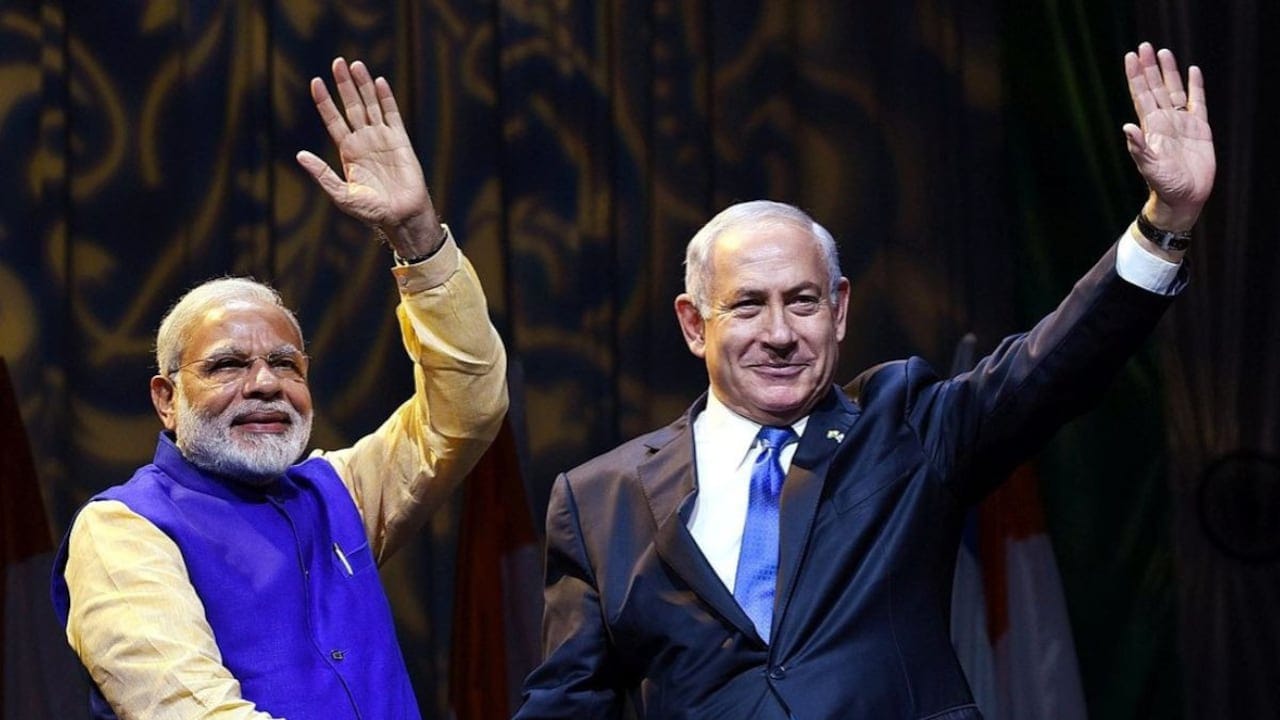
India’s Prime Minister Narendra Modi is preparing for a crucial visit to Israel at a time when the geopolitical climate in West Asia is marked by volatility and shifting alliances. The trip, seen as strategically significant, comes amid heightened regional tensions and growing global scrutiny over alignments in the Middle East.
India and Israel have strengthened ties over the past decade, particularly in defense cooperation, agriculture technology, cybersecurity, and innovation. Since the establishment of full diplomatic relations in 1992, bilateral engagement has expanded steadily, with defense emerging as a cornerstone of the partnership. However, the current regional environment adds new diplomatic layers to the visit.
The ongoing conflict involving Israel and Palestinian territories has intensified international debate, placing many countries in a delicate balancing position. India, which maintains historical support for the Palestinian cause while deepening ties with Israel, faces the challenge of sustaining strategic cooperation without appearing partisan in a deeply polarised region.
Beyond regional tensions, global power politics also play a role. The United States remains Israel’s primary ally, while countries like Iran continue to influence the broader West Asian geopolitical landscape. India’s own energy interests in the Gulf region and its close relations with Arab nations make policy calibration particularly important.
Analysts suggest that Modi’s visit will focus on reinforcing strategic cooperation while emphasizing dialogue and stability in the region. Defense deals, technological collaboration, and trade partnerships are likely to be key agenda items. At the same time, diplomatic messaging may highlight India’s consistent call for peace and a two-state solution.
For India, the visit is not merely symbolic. It reflects New Delhi’s aspiration to act as a balanced global player capable of engaging diverse partners across geopolitical divides. How effectively the government manages diplomatic sensitivities during and after the trip could shape India’s standing in West Asia and beyond.
"The decisions we make today will shape the world for generations to come."