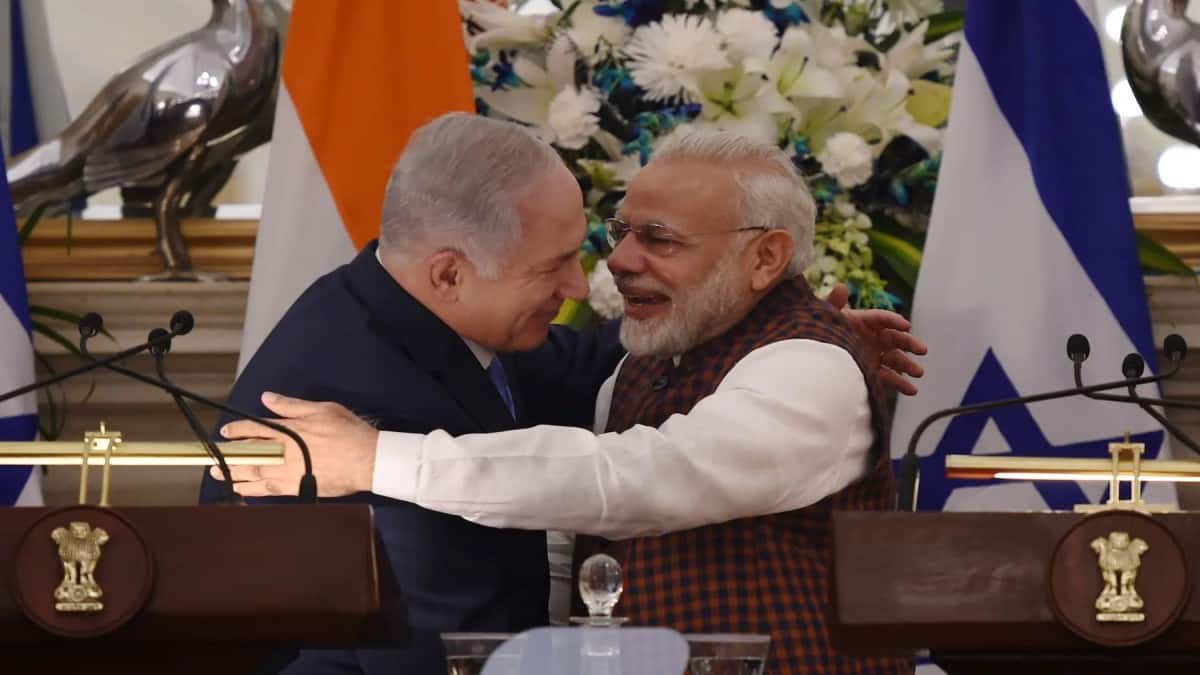
Prime Minister Narendra Modi’s planned diplomatic engagement with Israel arrives at a time when West Asia is witnessing heightened political and security volatility. The visit, designed to deepen cooperation across key sectors, is unfolding against a backdrop of regional sensitivities.
India-Israel relations have evolved into a strong strategic partnership over the past decade. Defense remains a cornerstone of bilateral ties, with Israel being one of India’s major suppliers of advanced military technology. Discussions during the visit are expected to include joint production initiatives under India’s ‘Make in India’ program, intelligence-sharing mechanisms, and collaboration in emerging technologies such as drones and cybersecurity.
Yet, geopolitical realities cannot be ignored. Escalating tensions in the broader Middle East, coupled with Israel’s internal political climate, create diplomatic challenges. Any high-level engagement in the region is closely watched by global stakeholders, including major powers and neighboring Arab countries.
For New Delhi, the visit represents more than bilateral diplomacy — it reflects India’s broader strategic autonomy doctrine. By engaging with diverse partners simultaneously, India continues to project itself as an independent global actor capable of navigating complex geopolitical terrains.
Experts suggest that while headwinds may create short-term diplomatic sensitivity, the long-term trajectory of India-Israel relations remains strong. The visit, therefore, is likely to consolidate cooperation while reaffirming India’s balanced foreign policy approach in a turbulent region.
"The decisions we make today will shape the world for generations to come."