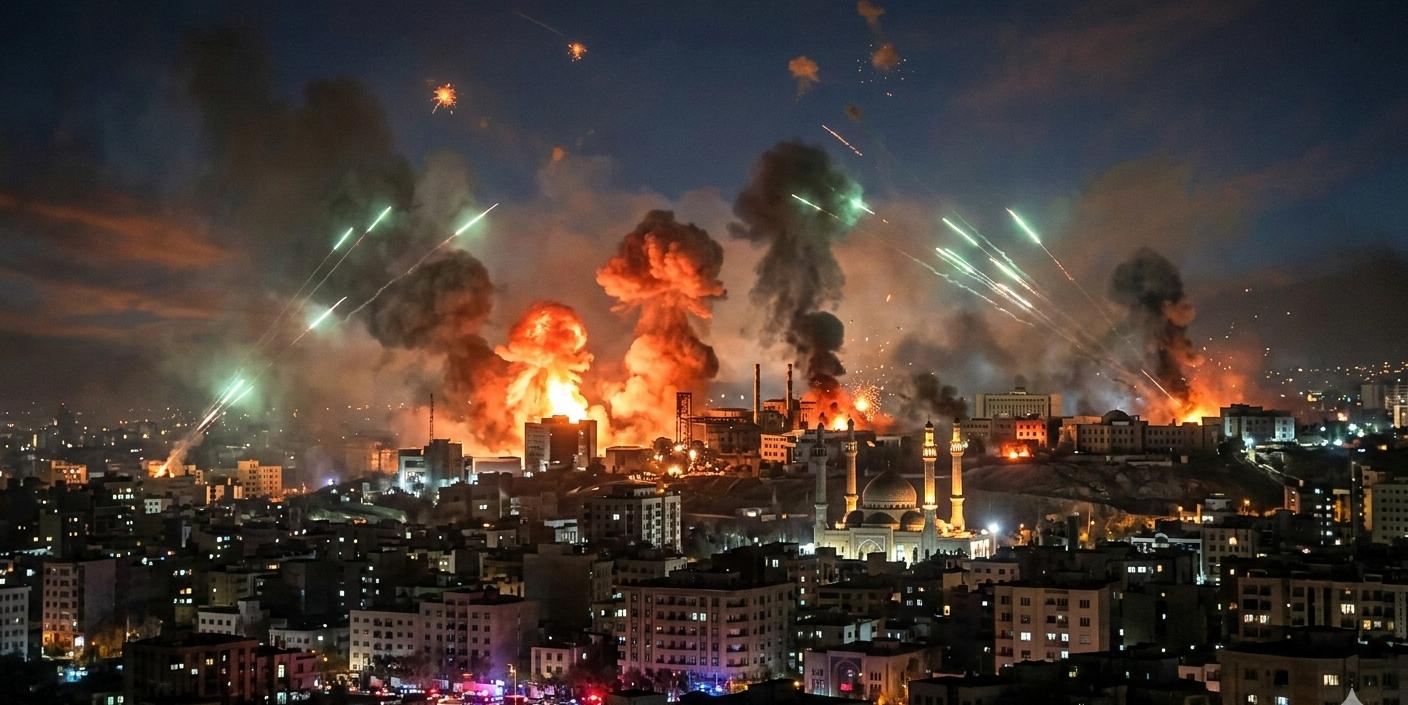
The geopolitical landscape of West Asia was irrevocably altered on February 28, 2026, when a coordinated military operation by the United States and Israel—codenamed "Operation Epic Fury" and "Operation Roaring Lion", respectively—launched a massive preemptive strike against the Islamic Republic of Iran.
Unlike previous cycles of shadow warfare characterized by cyberattacks and proxy skirmishes, this intervention targeted the very heart of the Iranian establishment. With the confirmed killing of Supreme Leader Ayatollah Ali Khamenei and the destruction of the Natanz nuclear facility, the world now stands at the precipice of a full-scale regional war.
1. The Opening Salvo: A Strategy of Decapitation
The assault began at approximately 9:45 a.m. IRST, intentionally timed for the start of the Iranian work week to maximize disruption. The operation was not merely a strike on infrastructure; it was a "decapitation" strategy designed to fracture the Iranian leadership.
Targeting the Core: US Tomahawk missiles and Israeli F-35 fighter jets struck the Pasteur district in Tehran. Reports confirm that the compound of the Supreme Leader was leveled, resulting in the death of Ali Khamenei and several high-ranking members of the Supreme National Security Council.
Military Infrastructure: Over 500 targets were engaged within the first 48 hours. These included ballistic missile silos, IRGC command centers, and air defense networks across Isfahan, Qom, and Karaj.
Nuclear Neutralization: The Natanz enrichment site, a cornerstone of Iran’s nuclear program, suffered direct hits. The IAEA has since issued urgent warnings regarding potential radiation leaks, though the full extent of the environmental impact remains obscured by the fog of war.
2. The Iranian Counter-Offensive: "True Promise 4"
Tehran’s response was immediate and multi-directional. Under the banner of Operation True Promise 4, Iran launched hundreds of ballistic missiles and "Shahed" kamikaze drones, not only at Israel but at US-allied Gulf states hosting American personnel.
Regional Targets: For the first time, the "ring of fire" expanded to include civilian and logistics hubs in Dubai, Doha, and Kuwait City. Blasts were reported near Jebel Ali Port, threatening the world’s most sensitive oil shipping lanes.
US Bases Under Fire: Iranian state media claimed successful strikes on the Al-Udeid Air Base in Qatar and the Fifth Fleet headquarters in Bahrain. While US Central Command (CENTCOM) reports minimal initial casualties due to advanced missile defense systems like the Patriot and Iron Dome, the psychological impact on the Gulf monarchies has been profound.
The Prohibited Zone: Jordan and Saudi Arabia have partially closed their airspace as interceptions of Iranian missiles fill the skies over Amman and Riyadh, dragging neutral neighbors into the crossfire.
3. Geopolitical Implications: A World in Flux
The 2026 strikes represent the total collapse of the 2025 diplomatic efforts. The return of Donald Trump to the US Presidency saw a pivot from "maximum pressure" to "direct intervention," with the administration arguing that a nuclear-armed Iran was an "imminent existential threat" that diplomacy could no longer contain.
Economic Tremors
The global economy has reacted with predictable volatility.
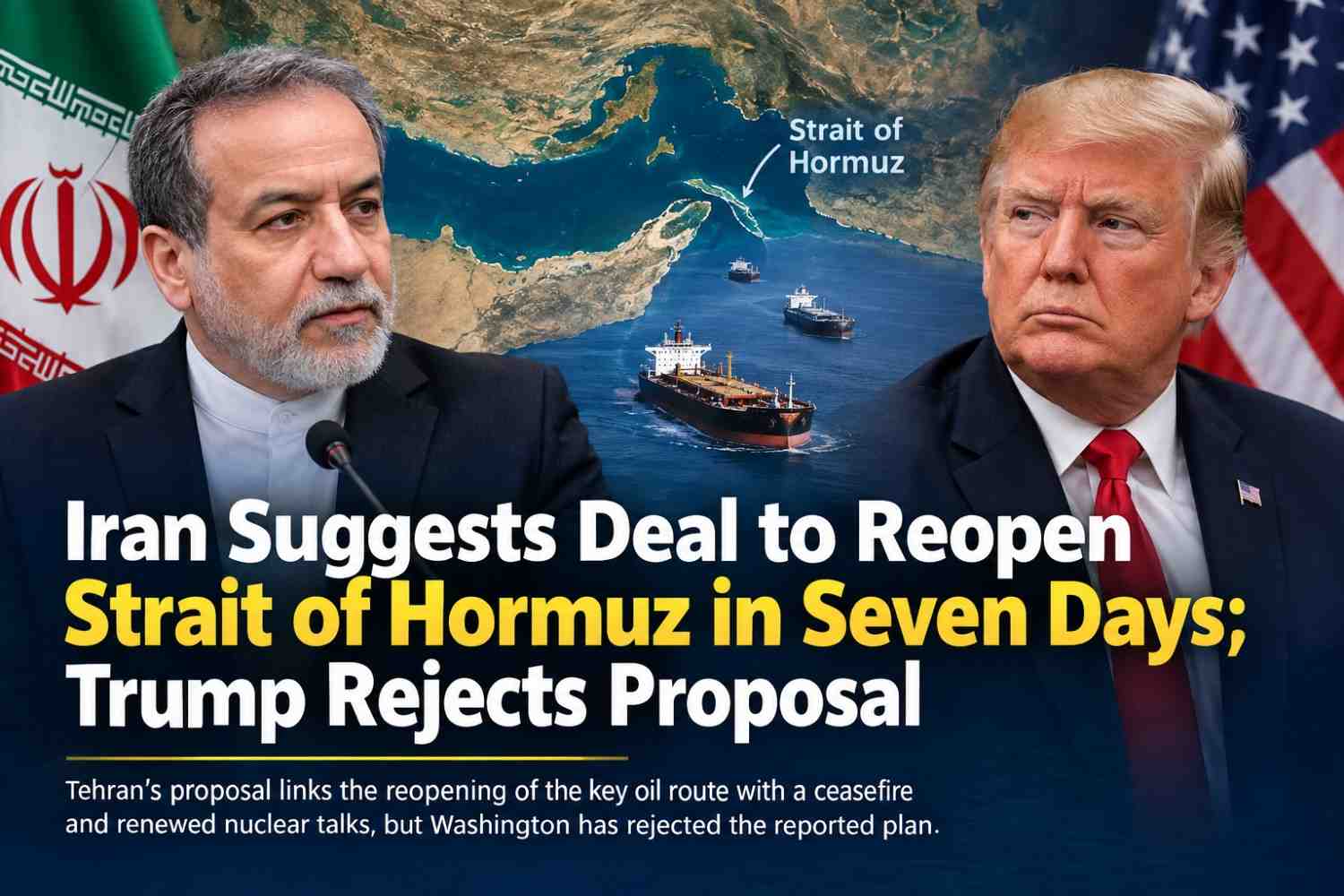
Oil Markets: Crude prices surged nearly 15% overnight. Analysts fear that if Iran successfully blocks the Strait of Hormuz, through which 25% of the world’s oil passes, prices could exceed $120 per barrel.
Trade Routes: Shipping insurance premiums for the Persian Gulf have jumped 50%, forcing major maritime carriers to reroute around the Cape of Good Hope, delaying global supply chains for weeks.
The Humanitarian Toll
Beyond the strategic calculus, the human cost is mounting. Iranian state media reports over 550 deaths, including a tragic incident where an Israeli strike reportedly hit a school in Minab. Conversely, Israeli citizens spend their nights in underground shelters as sirens wail from Haifa to Tel Aviv.
4. What Lies Ahead: Regime Change or Attrition?
The stated goal of the US-Israeli coalition is to "remove threats" and potentially trigger a domestic uprising within Iran. However, historical precedents suggest that foreign intervention often creates a "rally around the flag" effect.
The Iranian military, though battered, remains an ideological force with a multi-layered command structure. Even with the Supreme Leader gone, the Islamic Revolutionary Guard Corps (IRGC) is expected to wage a prolonged war of attrition using its network of proxies—Hezbollah in Lebanon and the Houthis in Yemen—to bleed the coalition’s resources.
"The decisions we make today will shape the world for generations to come."