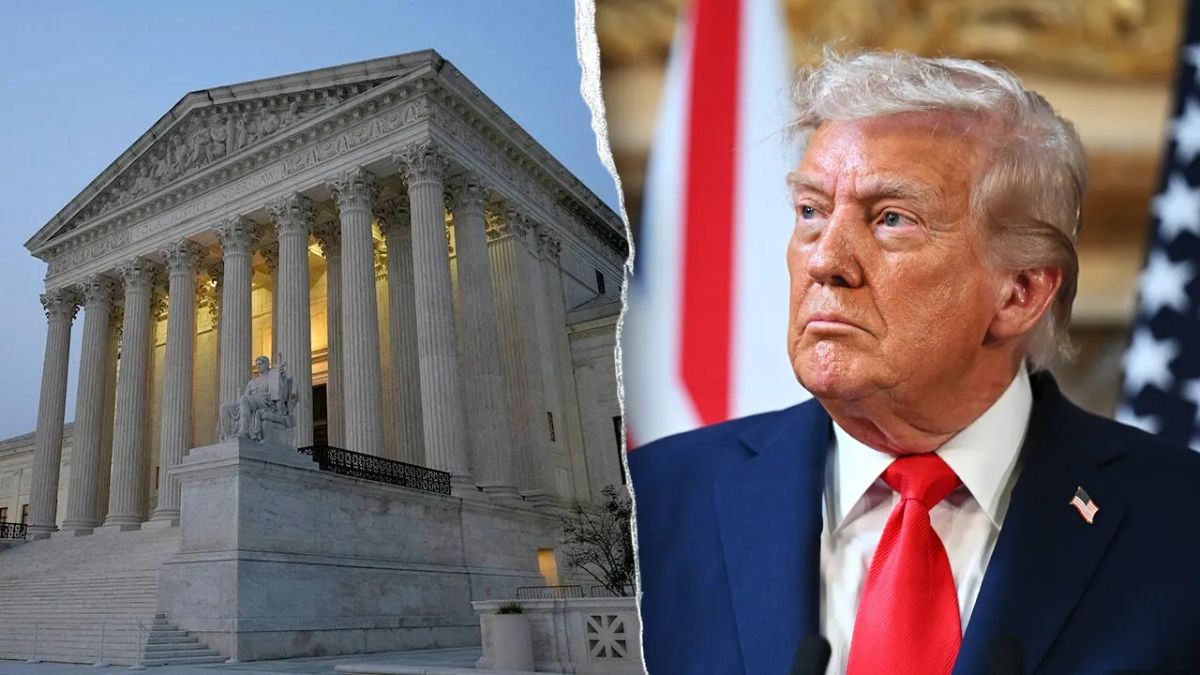
The United States government will stop collecting certain import tariffs from February 24, 2026, after the Supreme Court of the United States ruled that the duties were imposed unlawfully. The decision marks a significant development in America’s trade policy framework and clarifies the constitutional boundaries between executive authority and congressional power.
What Triggered the Decision?
The dispute centered on tariffs introduced under the International Emergency Economic Powers Act (IEEPA). This law allows the U.S. president to regulate economic transactions during a declared national emergency. However, the Supreme Court held that the administration exceeded its authority by using the emergency law to justify broad trade tariffs.
In its judgment, the court emphasized that the power to levy taxes and tariffs rests primarily with Congress. By invoking IEEPA in this context, the executive branch bypassed legislative approval — a move the court deemed inconsistent with constitutional principles.
Implementation Date and Immediate Impact
Following the ruling, U.S. Customs authorities confirmed that the collection of the affected tariffs would cease starting 12:01 a.m. EST on February 24, 2026. Importers who were previously required to pay these duties will no longer face the additional financial burden on incoming goods covered by the decision.
However, the ruling applies specifically to tariffs imposed under IEEPA. Other trade measures enacted under separate legal provisions — such as national security or unfair trade statutes — remain unaffected.
Unanswered Questions: Will Refunds Be Issued?
One of the most pressing issues is whether businesses will receive refunds for duties already collected. Billions of dollars were reportedly gathered under the disputed tariff program. As of now, officials have not provided a definitive roadmap for reimbursement, leaving importers and trade groups awaiting further clarification.
Broader Economic and Political Significance
The ruling may have wider implications for U.S. trade strategy. It sends a strong signal that emergency powers cannot be stretched to implement sweeping economic policies without legislative backing. Legal experts suggest that future administrations may now exercise greater caution when invoking emergency statutes in trade matters.
At the same time, the decision could ease tensions for global exporters who were affected by the additional costs. Markets are closely watching how the administration responds and whether new legislative efforts will emerge to reintroduce similar measures through Congress.
"The decisions we make today will shape the world for generations to come."